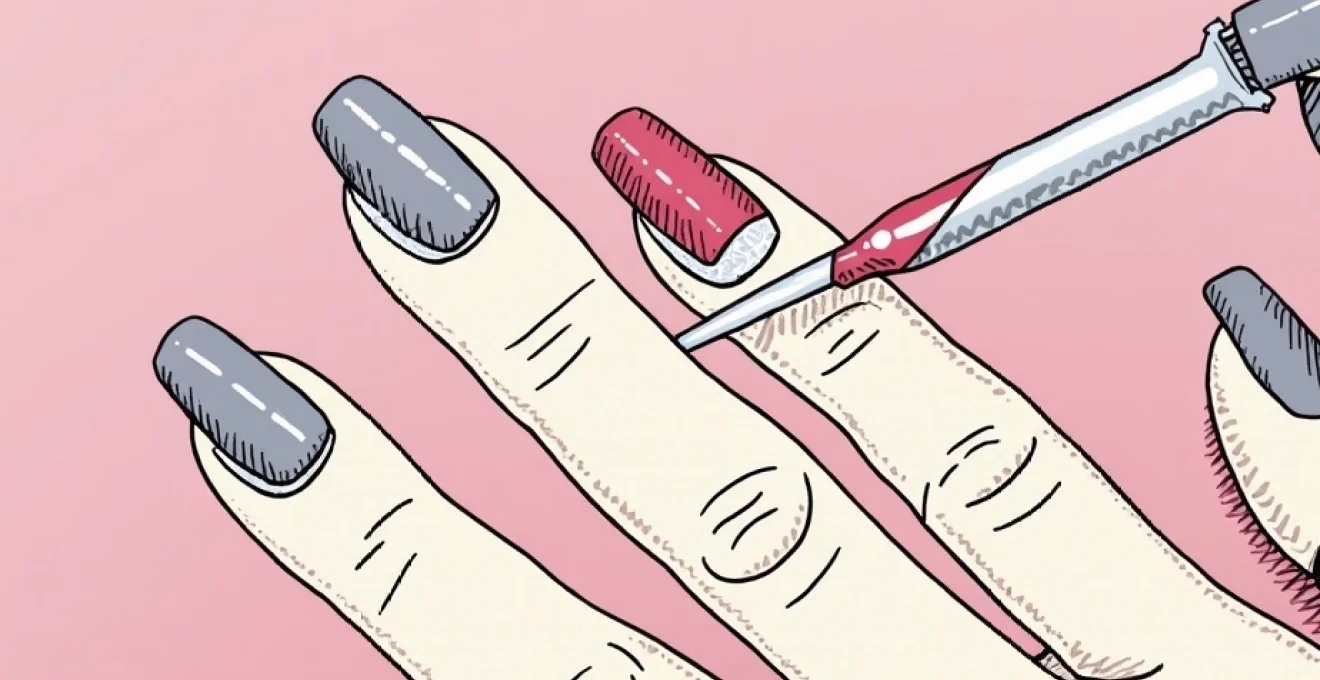
The question of whether nail polish can eliminate ringworm infections has gained considerable attention in online health forums and alternative medicine circles. This unconventional treatment approach involves applying clear nail lacquer directly to affected skin areas, with proponents claiming the polish creates an oxygen-depriving barrier that suffocates fungal organisms. Understanding the scientific basis behind this method requires examining both the pathophysiology of dermatophyte infections and the chemical composition of nail polish formulations. While traditional antifungal treatments remain the gold standard for ringworm management, exploring alternative approaches can provide valuable insights into fungal treatment mechanisms and patient care options.
Understanding ringworm: dermatophyte fungal infections and pathophysiology
Ringworm represents a group of superficial fungal infections caused by dermatophyte organisms that specifically target keratinised tissues including skin, hair, and nails. Despite its misleading name, this condition has no connection to parasitic worms but rather stems from the characteristic circular, ring-like appearance of lesions that develop on infected skin. The pathophysiology involves fungal invasion of the stratum corneum, where dermatophytes utilise keratinase enzymes to break down keratin proteins, enabling colonisation and subsequent inflammatory responses.
The clinical presentation typically begins with small, scaly patches that gradually expand outward whilst clearing centrally, creating the distinctive annular pattern. Inflammatory responses triggered by fungal antigens and metabolic byproducts contribute to the erythema, pruritus, and scaling observed in active infections. The immune system’s attempt to eliminate the pathogen often results in localised inflammation that can persist even after successful treatment, highlighting the complex interplay between host defence mechanisms and fungal virulence factors.
Trichophyton rubrum and common dermatophyte species causing ringworm
Trichophyton rubrum stands as the predominant causative organism responsible for chronic dermatophyte infections worldwide, accounting for approximately 60-70% of tinea corporis cases. This anthropophilic species demonstrates remarkable adaptability to human skin environments, producing specialised enzymes that facilitate keratin degradation and tissue invasion. T. rubrum infections characteristically exhibit chronic, indolent courses with minimal inflammatory responses, often leading to delayed diagnosis and treatment initiation.
Other significant dermatophyte species include Microsporum canis, primarily associated with zoophilic transmission from infected pets, and Trichophyton mentagrophytes, which causes more acute inflammatory reactions. Epidemiological patterns reveal distinct geographic distributions and transmission routes for different species, with urban environments favouring anthropophilic strains whilst rural areas show increased zoophilic and geophilic species prevalence.
Tinea corporis, tinea pedis, and other clinical manifestations
Tinea corporis, commonly affecting the trunk and extremities, presents as the classical ringworm appearance with well-demarcated, scaling plaques featuring raised, erythematous borders. The central clearing phenomenon occurs as the immune system successfully eliminates fungi from previously infected areas whilst the active infection margin continues expanding peripherally. Lesions may become confluent in immunocompromised individuals or those with extensive exposure.
Tinea pedis manifests differently, typically involving interdigital spaces and plantar surfaces with characteristic scaling, fissuring, and maceration. The chronic nature of pedal infections stems from the warm, moist environment created by footwear, which provides optimal conditions for fungal proliferation. Concurrent nail involvement frequently complicates treatment outcomes and serves as a persistent reservoir for reinfection.
Fungal cell wall structure and keratin invasion mechanisms
Dermatophyte cell walls contain complex polysaccharide structures including chitin, glucans, and mannoproteins that provide structural integrity and protection against host defence mechanisms. These components also serve as potential targets for antifungal interventions, with cell wall disruption representing a primary mechanism of action for many therapeutic agents. The ergosterol-rich cell membrane maintains cellular homeostasis and represents another critical vulnerability in fungal physiology.
Keratin invasion involves sophisticated enzymatic processes whereby dermatophytes secrete keratinases, elastases, and collagenases to break down structural proteins in the stratum corneum. This proteolytic activity enables fungal hyphae to penetrate keratinised tissues and establish persistent infections. Adherence mechanisms involving specialised surface proteins facilitate initial colonisation and subsequent tissue invasion.
Diagnostic methods: KOH testing and mycological culture techniques
Potassium hydroxide (KOH) preparation remains the most widely utilised diagnostic technique for rapid ringworm identification, with sensitivity rates ranging from 60-80% depending on specimen quality and examiner expertise. The KOH solution dissolves cellular debris whilst preserving fungal elements, allowing visualisation of characteristic septate hyphae and arthrospores under light microscopy. Proper specimen collection from the active border of lesions significantly influences diagnostic accuracy.
Mycological culture techniques provide definitive species identification and antifungal susceptibility testing capabilities, though results require 2-4 weeks for completion. Dermatophyte test medium (DTM) offers a convenient option for clinical settings, utilising pH indicators to detect metabolic byproducts characteristic of dermatophyte growth. Wood’s lamp examination proves useful for certain Microsporum species that exhibit fluorescence, though many common dermatophytes remain non-fluorescent.
Nail polish chemical composition and antifungal properties
Commercial nail polish formulations contain complex mixtures of film-forming polymers, solvents, plasticisers, and additives designed to create durable, aesthetically pleasing coatings on nail surfaces. The primary film-forming agents typically include nitrocellulose or acrylate-based polymers that polymerise upon solvent evaporation to form protective barriers. Understanding these chemical components becomes crucial when evaluating potential antifungal mechanisms and therapeutic applications.
The solvent systems in nail polish create temporarily hostile environments for microorganisms during application and initial drying phases. However, once fully cured, the polymeric film may actually trap moisture and create favourable conditions for fungal growth if applied to infected tissues. pH alterations induced by certain chemical components could theoretically influence fungal viability, though standard nail polish formulations are not specifically designed for antimicrobial purposes.
Toluene, formaldehyde, and volatile organic compounds in nail lacquer
Toluene serves as a powerful solvent in traditional nail polish formulations, facilitating uniform pigment distribution and enhancing film formation properties. This aromatic hydrocarbon demonstrates broad-spectrum antimicrobial activity at high concentrations, potentially contributing to any observed antifungal effects. However, toluene’s volatility means that antimicrobial concentrations rapidly diminish following application, limiting sustained therapeutic potential.
Formaldehyde, when present, functions primarily as a hardening agent and preservative rather than an active antifungal component. Concerns regarding formaldehyde’s carcinogenic potential have led many manufacturers to develop formaldehyde-free formulations, potentially reducing any incidental antimicrobial benefits. Volatile organic compounds (VOCs) collectively create temporarily harsh chemical environments that may inhibit fungal growth during initial application phases.
Ethyl acetate and butyl acetate solvent systems
Ethyl acetate and butyl acetate represent the predominant solvent components in modern nail polish formulations, chosen for their excellent solvency properties and relatively favourable safety profiles. These ester compounds evaporate rapidly at room temperature, leaving behind the polymeric film structure. While neither compound possesses significant intrinsic antifungal activity, their presence creates hostile environments for fungal organisms during the wet application phase.
The rapid evaporation of these solvents results in dramatic concentration increases of remaining non-volatile components, potentially creating osmotic stress conditions that could affect fungal cell viability. Solvent-induced dehydration of fungal cells represents a theoretical mechanism whereby nail polish application might temporarily suppress fungal activity, though this effect would likely prove transient and insufficient for therapeutic purposes.
Acrylate polymers and Film-Forming agent mechanisms
Acrylate-based polymers form the structural backbone of modern nail polish films, creating flexible, durable coatings that adhere strongly to keratin surfaces. These polymeric networks potentially function as physical barriers, limiting oxygen and moisture exchange between the external environment and underlying tissues. The occlusive properties of cured polymer films could theoretically create anaerobic conditions unfavourable to certain fungal species.
Film thickness and permeability characteristics vary significantly between different acrylate formulations, influencing the degree of occlusion achieved and the potential for creating antifungal microenvironments. Cross-linking density within the polymer matrix affects both mechanical properties and barrier function, with higher cross-link densities generally providing superior occlusive effects.
Ph levels and antimicrobial activity assessment
The pH of nail polish formulations typically ranges from slightly acidic to neutral, though specific values vary considerably between brands and formulations. Dermatophytes generally prefer slightly alkaline environments, with optimal growth occurring at pH values between 6.8-7.2. Acidic conditions may inhibit fungal growth and spore germination, suggesting that pH modification could contribute to antifungal effects.
Laboratory assessments of antimicrobial activity require standardised testing protocols to evaluate minimum inhibitory concentrations (MIC) and minimum fungicidal concentrations (MFC) against relevant dermatophyte species. Time-kill studies provide additional insights into the kinetics of any observed antifungal effects, distinguishing between fungistatic and fungicidal mechanisms of action.
Scientific evidence: laboratory studies on nail polish antifungal efficacy
Limited peer-reviewed research exists specifically examining nail polish efficacy against dermatophyte infections, reflecting the unconventional nature of this treatment approach and the challenges inherent in conducting rigorous clinical trials. Available laboratory studies suggest minimal direct antifungal activity from standard nail polish formulations when tested against common dermatophyte species under controlled conditions. Most commercial nail polishes demonstrate insufficient antifungal concentrations of active compounds to achieve therapeutic efficacy.
In vitro testing protocols utilising agar dilution methods and disc diffusion assays reveal that nail polish components may exhibit transient antimicrobial effects during initial application phases, primarily attributed to solvent-mediated cellular disruption rather than sustained antifungal activity. Fungal viability studies indicate that dermatophytes can survive beneath cured nail polish films, particularly when adequate moisture and nutrients remain available. These findings suggest that any perceived clinical benefits likely result from mechanical occlusion rather than direct antimicrobial mechanisms.
Comparative studies examining various nail polish brands and formulations demonstrate significant variability in antimicrobial properties, with some premium formulations containing trace amounts of antimicrobial additives that may contribute to modest antifungal effects. However, none achieve the therapeutic thresholds established for recognised topical antifungal agents. Standardised susceptibility testing reveals that nail polish typically requires direct contact concentrations far exceeding practical application levels to demonstrate meaningful antifungal activity against dermatophyte organisms.
Mechanism of action: how nail polish components interact with fungal cells
The proposed mechanism whereby nail polish might combat ringworm infections centres on occlusive therapy principles, where the polymeric film creates a barrier that limits oxygen availability to fungal organisms. This oxygen deprivation theory suggests that dermatophytes, being aerobic organisms, would experience metabolic stress under hypoxic conditions created by the impermeable coating. However, dermatophytes demonstrate remarkable adaptability and can survive in reduced oxygen environments for extended periods.
Chemical interaction between nail polish solvents and fungal cell membranes represents another potential mechanism, with volatile organic compounds potentially disrupting lipid bilayer integrity during the wet application phase. The rapid evaporation of these solvents limits exposure duration, reducing the likelihood of achieving fungicidal concentrations. Osmotic effects from concentrated polymer solutions may also contribute to cellular dehydration in fungal organisms, though this mechanism would primarily affect surface-level fungi rather than deeper tissue infections.
Physical entrapment of fungal elements within the curing polymer matrix could theoretically immobilise spores and hyphal fragments, preventing further tissue invasion and dissemination. This mechanical containment mechanism might explain reported improvements in some cases, even without direct antifungal activity. pH-mediated growth inhibition represents an additional consideration, as acidic nail polish formulations could create suboptimal conditions for fungal proliferation, though this effect would likely prove temporary and insufficient for complete eradication.
Clinical application methods and treatment protocols
Proponents of nail polish treatment typically recommend thorough cleansing and drying of affected areas before application, followed by complete coverage of the lesion and surrounding margin with clear nail lacquer. The application protocol involves painting a thin, even layer across the entire affected area twice daily, allowing complete drying between applications. This approach aims to maintain continuous occlusive coverage whilst ensuring adequate chemical contact with fungal organisms.
Duration of treatment varies significantly among different recommendations, with some protocols suggesting continued application until lesions completely resolve, potentially requiring several weeks of consistent use. Monitoring guidelines emphasise the importance of observing for signs of clinical improvement, including reduced scaling, decreased erythema, and lesion size reduction. However, the lack of standardised protocols and outcome measures complicates assessment of treatment effectiveness and safety.
Safety considerations include potential skin sensitisation reactions to nail polish components, particularly in individuals with pre-existing contact allergies or sensitive skin conditions. The occlusive nature of the treatment may exacerbate certain inflammatory skin conditions or create favourable environments for secondary bacterial infections. Application technique becomes crucial, as incomplete coverage or irregular reapplication may compromise any potential therapeutic benefits whilst increasing the risk of contact dermatitis or other adverse reactions.
Comparative analysis: nail polish versus established antifungal treatments
When comparing nail polish application to established antifungal therapies, significant disparities emerge in terms of efficacy, safety, and clinical validation. Conventional topical antifungals demonstrate cure rates of 70-90% for uncomplicated tinea corporis cases, based on extensive clinical trial data and post-market surveillance studies. In contrast, nail polish treatment lacks rigorous clinical evidence supporting its therapeutic claims, relying primarily on anecdotal reports and theoretical mechanisms.
Cost considerations initially favour nail polish application due to the relatively low expense of commercial nail lacquers compared to prescription antifungal medications. However, the potential for treatment failure, prolonged infection duration, and secondary complications may ultimately result in higher overall healthcare costs. Treatment adherence patterns differ significantly between approaches, with some patients finding nail polish application more acceptable than traditional topical medications due to cosmetic considerations or perceived naturalness.
Terbinafine hydrochloride and topical azole antifungals
Terbinafine hydrochloride represents the gold standard for topical dermatophyte treatment, demonstrating superior efficacy against Trichophyton species with cure rates exceeding 85% in controlled clinical trials. This allylamine antifungal agent functions by inhibiting squalene epoxidase, disrupting ergosterol synthesis and compromising fungal cell membrane integrity. The fungicidal mechanism ensures rapid organism elimination and reduced risk of treatment failure or recurrence.
Azole antifungals, including clotrimazole and miconazole, provide alternative therapeutic options with proven efficacy against broad-spectrum dermatophyte infections. These agents inhibit cytochrome P450 enzymes essential for ergosterol biosynthesis, resulting in fungistatic or fungicidal effects depending on concentration and exposure duration. Clinical trial data consistently demonstrate superior outcomes compared to placebo treatments, with well-established safety profiles based on decades of clinical use.
Ciclopirox olamine nail lacquer treatment efficacy
Ciclopirox olamine nail lacquer represents a legitimate pharmaceutical approach to occlusive antifungal therapy, specifically formulated for nail and periungual tissue infections. This hydroxypyridone derivative demonstrates broad-spectrum antifungal activity through multiple mechanisms, including metal chelation and disruption of cellular transport processes. Clinical studies support its efficacy in treating onychomycosis, with cure rates approaching 30-35% for severe nail infections.
The pharmaceutical formulation of ciclopirox nail lacquer incorporates specific excipients designed to enhance drug penetration through keratinised tissues whilst maintaining sustained release characteristics. This contrasts sharply with cosmetic nail polish formulations that lack active antifung
al compounds and rely on cosmetic ingredients with minimal therapeutic potential.The sustained-release properties of pharmaceutical nail lacquers enable prolonged contact times with target organisms, maximising therapeutic drug concentrations at infection sites. Penetration enhancers and specialised delivery systems further optimise drug bioavailability, achieving therapeutic concentrations that cosmetic nail polishes cannot match through their standard formulations.
Undecylenic acid and natural antifungal alternative therapies
Undecylenic acid, derived from castor oil, represents a well-established natural antifungal agent with demonstrated efficacy against dermatophyte infections. This medium-chain fatty acid disrupts fungal cell membrane integrity and interferes with cellular metabolism, providing both fungistatic and fungicidal effects depending on concentration. Clinical studies support its use in treating mild to moderate tinea infections, with cure rates approaching 60-70% when used consistently.
Natural antifungal alternatives, including tea tree oil, oregano oil, and coconut oil, demonstrate varying degrees of antimicrobial activity against dermatophyte species. These botanical extracts contain active compounds such as terpinen-4-ol, carvacrol, and lauric acid that exhibit documented antifungal properties in laboratory studies. Concentration standardisation remains a significant challenge with natural products, as active compound levels vary considerably between different preparations and sources.
The appeal of natural antifungal therapies stems from perceived safety advantages and reduced risk of adverse reactions compared to synthetic pharmaceutical agents. However, contact sensitisation and allergic reactions can occur with natural products, particularly essential oils that contain potent bioactive compounds. Standardised clinical trials comparing natural alternatives to conventional antifungals generally demonstrate inferior efficacy rates, though combination approaches may offer synergistic benefits in select cases.
When evaluating nail polish against these established treatment modalities, the lack of active antifungal compounds becomes apparent. While natural alternatives may not match pharmaceutical efficacy, they contain measurable concentrations of compounds with demonstrated antifungal activity. Evidence-based treatment selection should prioritise therapies with proven clinical efficacy and established safety profiles over unvalidated approaches that rely primarily on theoretical mechanisms.
The scientific evidence regarding nail polish as a ringworm treatment reveals significant limitations in both theoretical mechanisms and practical application. While the occlusive properties of cured polymer films may create temporarily unfavourable conditions for some fungal organisms, this effect proves insufficient to achieve reliable therapeutic outcomes. The rapid evaporation of potentially antimicrobial solvents limits sustained antifungal activity, while the absence of recognised antifungal compounds in standard cosmetic formulations undermines claims of therapeutic efficacy.
Dermatophyte infections require targeted antimicrobial intervention to disrupt essential cellular processes and achieve organism eradication. The complex pathophysiology of ringworm, involving deep tissue invasion and sophisticated fungal adaptation mechanisms, necessitates treatments specifically designed to penetrate keratinised tissues and maintain therapeutic concentrations at infection sites. Cosmetic nail polish formulations lack these essential characteristics, making them unsuitable substitutes for proven antifungal therapies.
Healthcare providers should counsel patients regarding the importance of evidence-based treatment approaches and the potential risks associated with delaying appropriate antifungal therapy. While the appeal of readily available, inexpensive treatments is understandable, the consequences of inadequate treatment may include chronic infection, secondary bacterial complications, and increased transmission risk to family members and close contacts. Professional medical evaluation ensures accurate diagnosis and appropriate treatment selection based on individual patient factors and infection characteristics.