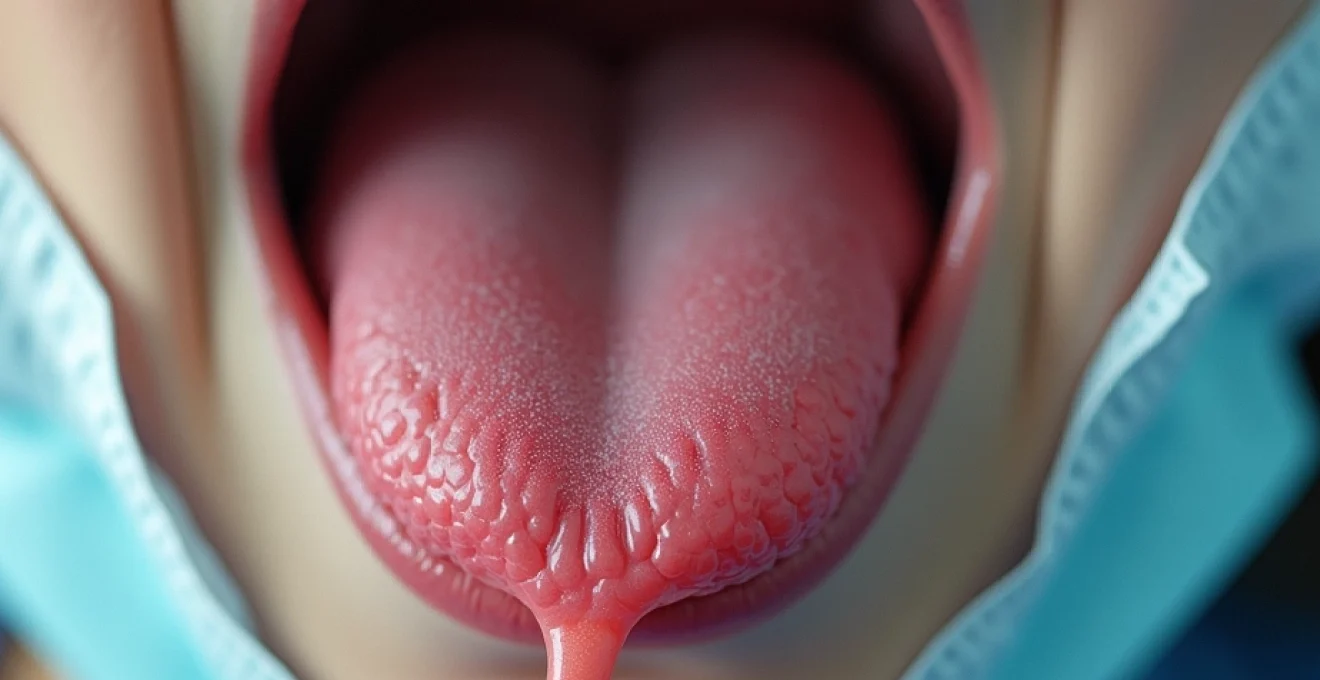
The tragic death of seven-year-old Paisley Elizabeth Grace Cogsdill in February 2024, whose heart stopped just one minute into her tonsillectomy procedure, has raised urgent questions about the safety of one of the most common surgical procedures performed on children. Despite tonsillectomy being routinely performed for over a millennium, this devastating case highlights that even the most routine surgical interventions carry inherent risks that can, in rare circumstances, prove fatal.
While tonsillectomies are generally considered safe procedures with mortality rates well below 1%, the reality is that death can occur during or after tonsil removal surgery. Understanding the specific mechanisms by which fatalities occur, the risk factors that increase mortality, and the modern safety protocols designed to prevent these tragic outcomes is crucial for both medical professionals and families considering this surgical intervention. The complexity of factors that can lead to death during tonsillectomy extends far beyond simple surgical complications, encompassing anaesthetic risks, post-operative bleeding, infections, and patient-specific vulnerabilities.
Tonsillectomy mortality statistics and risk assessment data
Recent comprehensive studies provide sobering insights into tonsillectomy mortality rates. A landmark 2019 JAMA study analysing over 504,000 tonsillectomy procedures revealed a mortality rate of 0.007%, equating to approximately 36 deaths across the entire study population. This translates to roughly one death per 14,000 procedures, making fatal outcomes statistically rare but clinically significant given the volume of surgeries performed annually.
The mortality risk varies considerably based on patient demographics and underlying health conditions. Children without chronic medical conditions face an exceptionally low risk of death, with mortality rates dropping to less than 0.005%. However, patients with one or more chronic complex conditions experience substantially elevated risks. Those with a single chronic condition see mortality rates increase to approximately 0.02%, while patients with three or more complex conditions face mortality rates exceeding 0.1%.
Age-stratified analysis reveals additional nuances in mortality risk. Paediatric patients under five years old demonstrate slightly higher mortality rates compared to school-age children, primarily due to increased anaesthetic sensitivity and reduced physiological reserve. Adult tonsillectomies, while less common, carry comparable mortality risks to paediatric procedures when accounting for comorbidities. The procedural volume at individual institutions also influences outcomes, with high-volume centres typically demonstrating lower mortality rates due to enhanced expertise and refined protocols.
Geographic and healthcare system variations add another layer of complexity to mortality statistics. Countries with robust perioperative monitoring systems and standardised surgical protocols report consistently lower mortality rates. The availability of immediate post-operative intensive care facilities significantly impacts survival rates when complications arise, particularly in cases involving severe bleeding or anaesthetic emergencies.
Post-operative haemorrhage complications in adenotonsillectomy procedures
Post-operative bleeding represents the most significant cause of tonsillectomy-related deaths, accounting for approximately 60-70% of fatal outcomes. The unique nature of tonsillectomy wounds, which heal by secondary intention without surgical closure, creates ongoing vulnerability to haemorrhagic complications. Understanding the temporal patterns and mechanisms of post-operative bleeding is essential for recognising potentially fatal scenarios.
Primary haemorrhage within 24 hours: incidence and management protocols
Primary haemorrhage occurs in approximately 2-4% of tonsillectomy patients within the first 24 hours post-operatively. These bleeding episodes typically result from incomplete intraoperative haemostasis, coagulation disorders, or mechanical disruption of surgical sites during emergence from anaesthesia. While most primary bleeding episodes respond to conservative management, severe cases can rapidly progress to hypovolaemic shock and death.
The presentation of primary haemorrhage ranges from minor oozing to catastrophic arterial bleeding. Bright red blood visible in the oral cavity, particularly when continuous or pulsatile, indicates active arterial bleeding requiring immediate surgical intervention. Patients may present with tachycardia, hypotension, pallor, and altered mental status as blood loss progresses. Children are particularly vulnerable due to their smaller blood volume and limited physiological compensation mechanisms.
Emergency management protocols for primary haemorrhage involve rapid assessment of haemodynamic stability, immediate intravenous access, blood type and crossmatch, and preparation for urgent surgical exploration. Advanced haemostatic techniques including electrocautery, suture ligation, and topical haemostatic agents may be employed. In severe cases, emergency tracheostomy may be necessary to secure the airway if bleeding compromises respiratory function.
Secondary bleeding risk between days 5-10: scab dehiscence mechanisms
Secondary haemorrhage presents the greatest long-term mortality risk, typically occurring between post-operative days 5-10 when fibrin clots begin to separate from healing tonsillar fossa. This delayed bleeding pattern affects approximately 5-8% of patients and accounts for the majority of tonsillectomy-related deaths occurring after hospital discharge. The unpredictable nature of secondary bleeding makes it particularly dangerous, as patients are often at home without immediate access to emergency surgical care.
The pathophysiology of secondary bleeding involves the natural wound healing process where fibrin clots and eschar formation provide temporary haemostasis. As granulation tissue develops, mechanical stress, infection, or premature clot dissolution can expose underlying blood vessels, particularly branches of the external carotid artery system. Dehydration, poor oral hygiene, and premature return to normal activities increase the risk of clot disruption and subsequent bleeding.
Recognition of impending secondary haemorrhage often begins with subtle warning signs including increased throat pain, foul taste, low-grade fever, and small amounts of blood-tinged saliva. Any visible blood in the post-operative period should prompt immediate medical evaluation, as minor bleeding frequently precedes major haemorrhagic episodes. Patient and family education regarding warning signs and immediate management strategies proves crucial for preventing fatal outcomes.
Reactive haemorrhage after day 10: Late-Onset vascular complications
Reactive haemorrhage occurring beyond day 10 represents the least common but potentially most severe bleeding complication. These late bleeding episodes typically result from vascular malformations, pseudoaneurysm formation, or erosion into major vessels. While affecting fewer than 1% of patients, reactive haemorrhage carries the highest individual mortality risk due to its tendency to involve larger calibre arteries and present with massive bleeding.
The clinical presentation of reactive haemorrhage often involves sudden, profuse bleeding that may be life-threatening within minutes. Patients may experience a sensation of warmth in the throat followed by massive haematemesis or haemoptysis. The rapid onset and volume of bleeding can quickly compromise the airway through blood aspiration, leading to respiratory arrest before circulatory shock develops.
Emergency surgical intervention for uncontrolled tonsillar bleeding
Emergency surgical management of uncontrolled post-tonsillectomy bleeding requires immediate operating room intervention with anaesthetic support. The surgical approach typically involves identification and ligation of bleeding vessels, often requiring extended dissection into the tonsillar fossa and adjacent tissue planes. Advanced haemostatic techniques including arterial ligation, tissue flap coverage, and selective embolisation may be necessary for complex cases.
The anaesthetic management of emergency bleeding cases presents unique challenges, particularly regarding airway management in the presence of active bleeding. Rapid sequence intubation with adequate suctioning capacity becomes essential to prevent aspiration while maintaining haemodynamic stability. Blood product availability and massive transfusion protocols may be required for patients presenting with significant blood loss.
Anaesthetic-related fatalities during tonsil surgery
Anaesthetic complications account for approximately 20-25% of tonsillectomy-related deaths, encompassing a spectrum of potentially fatal events ranging from malignant hyperthermia to cardiovascular collapse. The relatively young age of most tonsillectomy patients, combined with the shared airway nature of the procedure, creates unique anaesthetic challenges that can prove fatal when complications arise.
Malignant hyperthermia syndrome in paediatric ENT procedures
Malignant hyperthermia (MH) represents one of the most feared anaesthetic emergencies, with mortality rates approaching 10-15% even with optimal treatment. This pharmacogenetic disorder, triggered by exposure to volatile anaesthetics or depolarising muscle relaxants, can rapidly progress to hyperthermia, muscle rigidity, metabolic acidosis, and cardiovascular collapse. The incidence of MH during tonsillectomy procedures ranges from 1 in 15,000 to 1 in 50,000 cases.
Early recognition of MH requires vigilant monitoring for characteristic signs including unexplained tachycardia, rising end-tidal CO₂, muscle rigidity, and hyperthermia. The rapid progression of symptoms can quickly overwhelm physiological compensation, leading to multi-organ failure and death within hours of onset. Immediate treatment with dantrolene sodium, aggressive cooling measures, and correction of metabolic abnormalities proves essential for survival.
Prevention strategies for MH include comprehensive preoperative family history assessment, avoidance of triggering agents in susceptible patients, and immediate availability of emergency treatment protocols. Modern anaesthetic monitoring systems with advanced capnography and temperature monitoring significantly improve early detection capabilities, though the unpredictable nature of MH makes prevention challenging in previously undiagnosed patients.
Airway obstruction and laryngospasm during extubation
Laryngospasm and airway obstruction during emergence from anaesthesia represent significant mortality risks specific to ENT procedures. The combination of surgical site bleeding, tissue oedema, and laryngeal irritation from intubation creates ideal conditions for severe laryngospasm that can prove fatal if not immediately recognised and treated. Children demonstrate particular vulnerability due to their smaller airway calibre and increased reactivity to stimulation.
The pathophysiology of post-tonsillectomy laryngospasm involves reflex closure of the vocal cords in response to blood, secretions, or direct laryngeal stimulation during extubation. Complete airway obstruction can develop rapidly, leading to hypoxemia, bradycardia, and cardiac arrest within minutes. The presence of blood or debris in the airway compounds the problem by triggering additional reflexes and preventing effective ventilation.
Management of severe laryngospasm requires immediate recognition and aggressive intervention including positive pressure ventilation, administration of muscle relaxants, and potential emergency reintubation or surgical airway creation. The shared airway nature of ENT procedures limits immediate access for airway management, making prevention through careful extubation technique and adequate analgesia crucial for patient safety.
Cardiovascular collapse from sevoflurane and propofol interactions
Drug interactions and adverse reactions to commonly used anaesthetic agents can precipitate fatal cardiovascular collapse during tonsillectomy procedures. Sevoflurane and propofol, while generally safe when used appropriately, can cause severe hypotension, arrhythmias, and cardiac arrest in susceptible patients or when administered in excessive doses. The narrow therapeutic window in paediatric patients increases the risk of inadvertent overdose and subsequent cardiovascular toxicity.
Propofol infusion syndrome, while rare in short procedures, can develop in susceptible patients receiving high-dose or prolonged infusions. This potentially fatal complication involves metabolic acidosis, rhabdomyolysis, hyperkalaemia, and cardiovascular collapse. Recognition requires vigilant monitoring of acid-base status and immediate discontinuation of propofol with supportive care.
Anaphylactic reactions to perioperative medications
Severe allergic reactions to anaesthetic medications, antibiotics, or other perioperative drugs can rapidly progress to anaphylactic shock and death. The incidence of perioperative anaphylaxis ranges from 1 in 10,000 to 1 in 20,000 procedures, with neuromuscular blocking agents and antibiotics representing the most common triggers. Rapid recognition and immediate treatment with epinephrine, fluid resuscitation, and supportive care prove essential for survival.
The presentation of perioperative anaphylaxis can be subtle initially, with hypotension and bronchospasm potentially attributed to anaesthetic effects. Skin manifestations may be masked by surgical draping, making cardiovascular and respiratory signs the primary indicators of allergic reaction. The shared airway during tonsillectomy procedures can complicate management of anaphylaxis-related bronchospasm and laryngeal oedema.
Infection-associated deaths following tonsillectomy
Infectious complications account for approximately 10-15% of tonsillectomy-related deaths, typically developing days to weeks after the initial surgical procedure. These infections can rapidly progress from localised wound contamination to life-threatening systemic sepsis, particularly in immunocompromised patients or those with underlying chronic conditions.
Necrotising fasciitis of the cervical region: streptococcal complications
Necrotising fasciitis represents one of the most feared infectious complications following tonsillectomy, with mortality rates exceeding 30% even with aggressive treatment. This rapidly spreading soft tissue infection typically results from Group A Streptococcus or mixed anaerobic bacteria colonising the surgical site. The rich vascular supply and loose fascial planes of the neck facilitate rapid bacterial spread, potentially involving the entire cervical region within hours of onset.
Early recognition of necrotising fasciitis requires high clinical suspicion, as initial symptoms may mimic routine post-operative pain and swelling. Disproportionate pain , rapid progression of erythema, systemic toxicity, and crepitation suggest developing necrotising infection requiring immediate surgical debridement. The aggressive nature of this infection means that delays in recognition and treatment significantly increase mortality risk.
Management of cervical necrotising fasciitis involves emergency surgical debridement, high-dose intravenous antibiotics, and intensive care support. Multiple operative procedures may be necessary to achieve adequate source control, and patients often require prolonged mechanical ventilation due to airway compromise from tissue oedema and surgical intervention.
Aspiration pneumonia from Post-Surgical bleeding episodes
Aspiration pneumonia following post-operative bleeding represents a significant cause of delayed mortality after tonsillectomy. Blood aspiration during bleeding episodes can lead to chemical pneumonitis, bacterial superinfection, and acute respiratory distress syndrome. Children are particularly vulnerable due to their increased tendency to swallow blood and reduced ability to protect their airway during bleeding episodes.
The development of aspiration pneumonia typically occurs within 24-48 hours of the initial bleeding episode, presenting with fever, productive cough, and respiratory distress. Chest imaging reveals characteristic infiltrates in dependent lung zones, often with bilateral involvement in severe cases. The combination of chemical injury from blood products and bacterial contamination creates ideal conditions for rapid progression to respiratory failure.
Septicaemia from retained necrotic tonsillar tissue
Incomplete removal of tonsillar tissue or development of necrotic tissue islands can serve as nidus for bacterial proliferation and subsequent septicaemia. This complication typically develops 5-10 days post-operatively as necrotic tissue becomes colonised with oral flora. Systemic inflammatory response syndrome can rapidly progress to septic shock and multi-organ failure without appropriate recognition and treatment.
Clinical presentation includes persistent fever, increasing throat pain, foul breath odour, and signs of systemic toxicity. Blood cultures typically reveal oral streptococci or anaerobic bacteria, requiring targeted antibiotic therapy and potential surgical debridement of necrotic tissue. Early recognition and aggressive treatment are essential for preventing progression to septic shock and death.
Mediastinitis secondary to deep neck space infections
Deep neck space infections can complicate tonsillectomy procedures when bacterial contamination spreads along fascial planes into the parapharyngeal, retropharyngeal, or superior mediastinal spaces. These infections carry significant mortality risk due to their proximity to vital structures and potential for rapid progression to descending necrotising mediastinitis.
The presentation of deep neck space infection includes severe odynophagia, trismus, neck stiffness, and signs of systemic toxicity. CT imaging with contrast proves essential for defining the extent of infection and planning surgical drainage procedures. Delays in recognition and treatment can result in airway compromise, vascular involvement, and mediastinal extension with mortality rates approaching 40-50%.
The complexity of post-tonsillectomy infections extends far beyond simple wound contamination, encompassing a spectrum of potentially fatal complications that can develop
days to weeks after the procedure, requiring vigilant surveillance for early warning signs.
Age-specific mortality risk factors in tonsillectomy patients
Age represents one of the most significant determinants of tonsillectomy mortality risk, with distinct patterns emerging across different demographic groups. Infants under two years of age face the highest mortality rates, approaching 0.02-0.03% due to their limited physiological reserves, increased anaesthetic sensitivity, and reduced ability to compensate for complications. The immature cardiovascular and respiratory systems in this age group provide little margin for error when complications arise.
Children aged 2-12 years demonstrate the lowest overall mortality rates, typically ranging from 0.003-0.005% in otherwise healthy patients. This age group benefits from more mature physiological systems while maintaining the rapid healing capabilities of childhood. However, the presence of chronic conditions such as cerebral palsy, congenital heart disease, or chronic respiratory disorders can increase mortality risk by 10-20 fold even in this traditionally low-risk population.
Adolescent patients aged 13-18 years experience slightly elevated mortality rates compared to younger children, primarily due to increased bleeding complications and higher rates of post-operative non-compliance with activity restrictions. The hormonal changes associated with puberty may influence wound healing and coagulation, while psychological factors often lead to premature return to normal activities, increasing the risk of secondary haemorrhage.
Adult tonsillectomies, while less common, carry mortality rates comparable to paediatric procedures when adjusted for comorbidities. However, adults over 40 years demonstrate increased mortality risk due to higher rates of cardiovascular disease, diabetes, and other chronic conditions. Advanced age compounds these risks, with patients over 65 years facing mortality rates approaching 0.02-0.04% even for elective procedures.
The interaction between age and specific risk factors creates complex patterns that require individualised assessment. For instance, young children with obstructive sleep apnoea demonstrate higher mortality rates than healthy children due to their compromised upper airway anatomy, while elderly patients with cardiac disease face exponentially increased risks from even minor bleeding episodes that younger patients would easily tolerate.
Modern surgical techniques and enhanced safety protocols
Contemporary tonsillectomy techniques have evolved significantly to minimise mortality risk through improved haemostasis, reduced tissue trauma, and enhanced precision. Traditional cold steel dissection has largely been supplemented by advanced electrosurgical methods including bipolar radiofrequency ablation, harmonic scalpel technology, and plasma-mediated ablation. These modern techniques provide superior bleeding control during surgery, significantly reducing the risk of primary haemorrhage that historically contributed to many fatal outcomes.
Coblation technology represents a significant advancement in tonsillectomy safety, utilising controlled thermal energy to remove tissue while simultaneously achieving haemostasis. This technique operates at lower temperatures than traditional electrocautery, reducing thermal tissue damage and subsequent inflammation that can contribute to bleeding complications. Studies demonstrate reduced primary bleeding rates of 0.5-1.2% compared to 2-4% with conventional techniques.
Enhanced perioperative monitoring protocols have revolutionised early detection of life-threatening complications. Modern anaesthetic monitoring includes continuous capnography, advanced haemodynamic monitoring, and real-time assessment of coagulation status through point-of-care testing. These systems provide immediate alerts for developing complications, enabling rapid intervention before irreversible deterioration occurs.
Standardised surgical checklists and timeout procedures have dramatically reduced procedural errors and complications. These protocols ensure proper patient identification, verification of surgical site, confirmation of anaesthetic plans, and availability of emergency equipment before proceeding with surgery. The implementation of systematic safety checks has contributed to measurable reductions in preventable deaths and major complications across all age groups.
Advanced haemostatic agents and techniques provide additional safety margins for high-risk patients. Topical haemostatic materials including fibrin sealants, gelatin-based products, and advanced collagen matrices can be applied to surgical sites to enhance natural clotting mechanisms. These agents prove particularly valuable in patients with underlying coagulation disorders or those taking anticoagulant medications.
Post-operative care protocols have evolved to include enhanced surveillance systems for early detection of complications. Remote monitoring technologies enable continuous assessment of vital signs, oxygen saturation, and activity levels during the critical first 48 hours after surgery. These systems can detect subtle changes that may precede major complications, allowing for early intervention that can prevent fatal outcomes.
The development of specialised paediatric ENT centres has concentrated expertise and resources to optimise outcomes for high-risk patients. These facilities maintain dedicated paediatric anaesthesia teams, immediate access to paediatric intensive care units, and 24/7 availability of surgical specialists trained in managing complex complications. The multidisciplinary approach at these centres has demonstrated measurable improvements in mortality rates, particularly for patients with multiple comorbidities.
Quality improvement initiatives including mandatory reporting of complications, systematic analysis of adverse events, and implementation of evidence-based protocols continue to drive improvements in tonsillectomy safety. These programs have identified modifiable risk factors and developed targeted interventions that have contributed to the steady decline in mortality rates observed over the past two decades. The commitment to continuous improvement ensures that the safety profile of tonsillectomy will continue to evolve, further reducing the already low risk of fatal outcomes while maintaining the significant benefits this procedure provides to millions of patients annually.