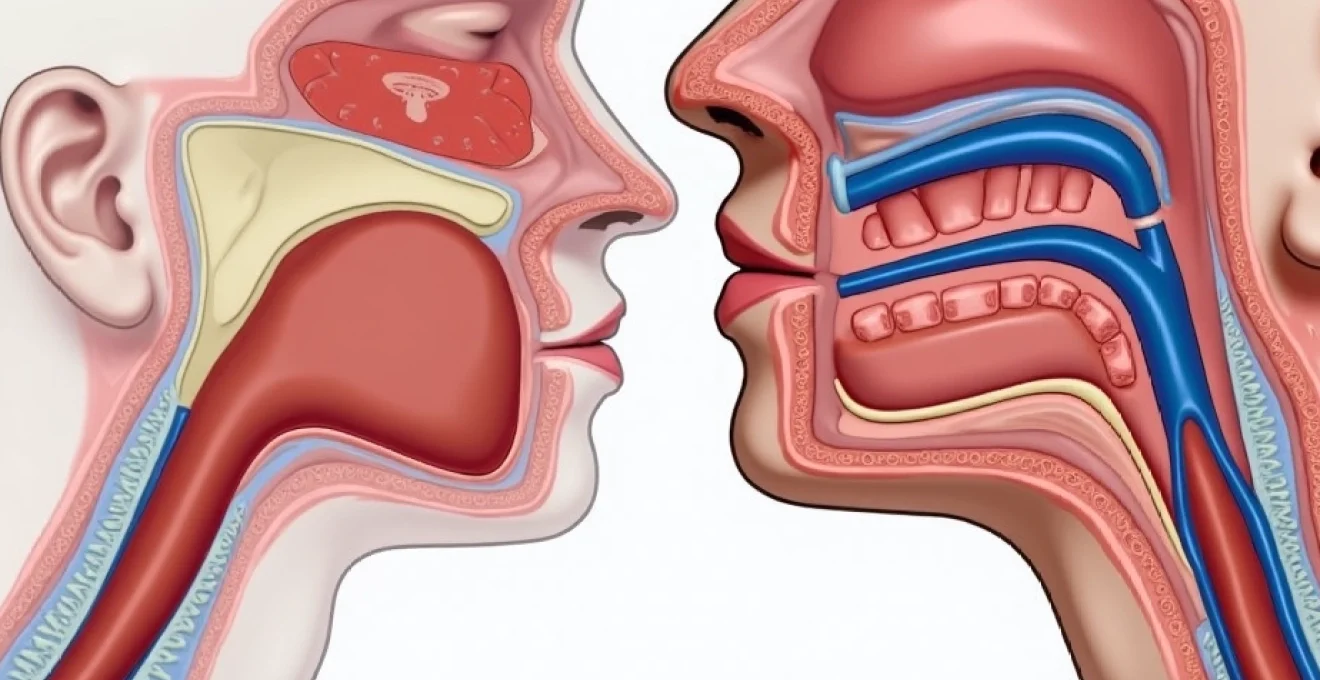
Unusual respiratory sounds emanating from the throat can be deeply concerning for patients experiencing them. Among the various abnormal breath sounds, clicking phenomena during inspiration or expiration represent a distinctive category that often indicates specific underlying anatomical or pathological conditions. These audible manifestations differ significantly from the more commonly recognised wheezing or stridor, presenting unique diagnostic challenges for healthcare professionals.
The throat’s complex anatomical structure, comprising multiple cartilaginous frameworks, muscular tissues, and delicate membranes, creates numerous opportunities for mechanical friction or structural dysfunction. When air passes through compromised or altered respiratory pathways, the resulting acoustic signatures provide valuable diagnostic clues. Understanding the precise mechanisms behind these clicking sounds enables more targeted therapeutic approaches and improved patient outcomes.
Modern diagnostic techniques have revolutionised our ability to identify the exact sources of these respiratory anomalies. From high-resolution imaging to sophisticated acoustic analysis, contemporary medical technology offers unprecedented insights into the intricate workings of the upper respiratory tract. This enhanced understanding has paved the way for more effective treatment strategies, ranging from conservative management approaches to advanced surgical interventions.
Anatomical origins of clicking sounds in the respiratory tract
The upper respiratory tract’s intricate architecture creates multiple potential sites where clicking sounds may originate during breathing cycles. These acoustic phenomena result from mechanical interactions between various anatomical structures, particularly when normal tissue relationships become disrupted. The laryngeal framework, consisting of nine cartilages connected by joints, ligaments, and muscles, forms the primary location where most clicking sounds develop.
Laryngeal cartilage movement and arytenoid joint dysfunction
The arytenoid cartilages, positioned atop the cricoid cartilage, play crucial roles in vocal cord positioning and airway configuration. These pyramid-shaped structures articulate through synovial joints that permit complex rotational and sliding movements during respiration and phonation. When these joints develop inflammatory conditions, degenerative changes, or mechanical restrictions, their movement patterns become altered, potentially generating distinctive clicking sounds.
Cricoarytenoid joint arthritis represents one of the most significant causes of clicking phenomena in this region. The condition affects joint mobility, creating irregular movement patterns that produce audible mechanical friction. Additionally, joint capsule thickening or synovial fluid changes can contribute to abnormal acoustic signatures during breathing cycles.
Epiglottal structure abnormalities and clicking mechanisms
The epiglottis, functioning as a protective flap during swallowing, occasionally becomes involved in respiratory clicking phenomena. Structural abnormalities affecting epiglottal flexibility or positioning can create mechanical interactions with surrounding tissues during airflow. These interactions may produce clicking sounds, particularly when the epiglottis exhibits unusual stiffness or scarring from previous inflammation.
Epiglottal cysts or masses can also contribute to clicking sounds by altering normal airflow patterns around the structure. When these lesions cause irregular tissue vibrations or create mechanical contact with adjacent anatomical elements, distinctive acoustic patterns emerge during respiratory cycles.
Vocal cord tension irregularities during inspiration
Vocal cord positioning and tension significantly influence respiratory acoustics throughout breathing cycles. Paradoxical vocal fold motion occurs when vocal cords inappropriately adduct during inspiration, creating abnormal airflow resistance and potential clicking sounds. This phenomenon differs from typical vocal cord paralysis, as the cords retain mobility but demonstrate inappropriate timing patterns.
Muscle tension imbalances affecting the intrinsic laryngeal muscles can also generate clicking phenomena. When the posterior cricoarytenoid muscles, responsible for vocal cord abduction during inspiration, function irregularly, mechanical clicking may result from abnormal tissue interactions.
Thyroid cartilage displacement and audible friction
The thyroid cartilage, forming the laryngeal prominence commonly known as the Adam’s apple, can occasionally contribute to clicking sounds when its position becomes altered. Trauma, surgical procedures, or degenerative changes affecting thyroid cartilage positioning may create mechanical friction against surrounding structures during breathing movements.
Age-related calcification of thyroid cartilage can increase its rigidity, potentially leading to more pronounced mechanical interactions with adjacent tissues. These changes may become particularly noticeable during deep inspiration or forced breathing manoeuvres, when cartilage movement becomes more pronounced.
Pathological conditions causing inspiratory clicking phenomena
Various disease processes affecting the upper respiratory tract can manifest through distinctive clicking sounds during breathing. These pathological conditions often involve structural alterations, inflammatory processes, or neuromuscular dysfunction that disrupts normal airway mechanics. Understanding these underlying conditions provides essential insights for developing appropriate treatment strategies and predicting patient outcomes.
Laryngomalacia and supraglottic collapse patterns
Laryngomalacia represents the most common cause of inspiratory stridor in infants, but it can also present with clicking phenomena in certain cases. This condition involves abnormal softness and collapse of supraglottic structures during inspiration. The aryepiglottic folds, epiglottis, and surrounding tissues demonstrate excessive flexibility, leading to dynamic airway obstruction.
Adult-onset laryngomalacia, though less common, can develop secondary to various factors including gastroesophageal reflux, neurological conditions, or previous airway trauma. The clicking sounds associated with this condition typically occur during inspiration as the softened tissues collapse and create mechanical friction against one another.
Laryngomalacia severity can vary significantly between patients, with some experiencing only mild clicking sounds while others develop severe respiratory distress requiring immediate intervention.
Vocal cord paralysis and recurrent laryngeal nerve damage
Unilateral or bilateral vocal cord paralysis can generate clicking sounds through several mechanisms. When one vocal cord remains fixed in a paramedian position while the contralateral cord attempts normal movement, mechanical contact between the cords or surrounding structures may produce distinctive acoustic patterns. The clicking phenomenon becomes particularly pronounced during deep inspiration when airflow velocity increases.
Recurrent laryngeal nerve injury , whether from surgical procedures, trauma, or pathological processes, represents the primary cause of vocal cord paralysis. The resulting muscle weakness or complete paralysis alters normal vocal cord positioning and movement patterns, potentially creating conditions conducive to clicking sound generation.
Subglottic stenosis and tracheal ring abnormalities
Subglottic stenosis involves narrowing of the airway below the vocal cords, typically affecting the cricoid cartilage region. While this condition more commonly produces stridor, certain stenotic patterns can generate clicking sounds, particularly when irregular narrowing creates turbulent airflow or mechanical vibrations. The acoustic characteristics depend on the stenosis location, severity, and morphological features.
Congenital tracheal ring abnormalities, including complete tracheal rings or tracheal stenosis, can contribute to clicking phenomena when airflow patterns become severely altered. These structural anomalies create complex airflow dynamics that may generate distinctive acoustic signatures during respiratory cycles.
Post-intubation laryngeal trauma and scarring effects
Endotracheal intubation, while generally safe, can occasionally result in laryngeal trauma that subsequently produces clicking sounds during breathing. Direct laryngoscopy and tube insertion may cause mucosal lacerations, arytenoid dislocation, or vocal cord injury. The healing process following these injuries can create scar tissue that alters normal anatomical relationships and movement patterns.
Posterior glottic stenosis, a specific complication of intubation trauma, involves scarring and contracture of the posterior laryngeal tissues. This condition can generate clicking sounds when the scarred tissues interact mechanically during respiratory movements. The acoustic patterns often correlate with stenosis severity and scar tissue location.
Gastroesophageal Reflux-Induced laryngeal oedema
Chronic gastroesophageal reflux can cause persistent laryngeal inflammation and oedema, particularly affecting the posterior laryngeal structures. The resulting tissue swelling and irritation can alter normal vocal cord movement patterns and create conditions conducive to clicking sound generation. Laryngopharyngeal reflux specifically targets the laryngeal tissues, often producing symptoms that differ from typical heartburn presentations.
The inflammatory process associated with acid reflux can cause arytenoid erythema, vocal cord oedema, and posterior laryngeal granulation tissue formation. These changes may interfere with normal laryngeal mechanics and contribute to abnormal respiratory acoustics, including clicking phenomena during breathing cycles.
Environmental and lifestyle factors contributing to throat clicking
Beyond pathological conditions, various environmental and lifestyle factors can contribute to the development or exacerbation of clicking sounds during breathing. These external influences often interact with individual anatomical variations or underlying susceptibilities to create conditions conducive to abnormal respiratory acoustics. Understanding these contributing factors enables more comprehensive treatment approaches and preventive strategies.
Occupational exposures represent significant risk factors for developing respiratory clicking phenomena. Workers in industries involving dust, chemical vapours, or particulate matter face increased risks of laryngeal irritation and inflammation. Chronic exposure to these irritants can cause tissue changes that alter normal respiratory mechanics and contribute to abnormal sound generation. Construction workers, miners, and chemical plant employees demonstrate higher incidences of various respiratory symptoms, including unusual breath sounds.
Vocal overuse and abuse patterns significantly impact laryngeal tissue health and function. Professional singers, teachers, public speakers, and other individuals who regularly use their voices extensively may develop laryngeal changes that contribute to clicking sounds. Chronic vocal strain can cause tissue oedema, vocal cord lesions, and altered muscle tension patterns that affect normal respiratory acoustics.
Environmental tobacco smoke exposure, whether active or passive, creates chronic laryngeal irritation that can contribute to abnormal breath sounds. The inflammatory response to tobacco smoke affects laryngeal tissues, potentially causing oedema, scarring, and altered tissue flexibility. These changes may manifest as clicking phenomena during breathing, particularly in individuals with prolonged exposure histories.
Dehydration states significantly impact laryngeal tissue properties and respiratory function. Insufficient hydration reduces mucosal moisture levels, potentially increasing tissue friction and mechanical interactions during breathing. This effect becomes particularly pronounced in environments with low humidity or during periods of increased fluid losses through illness or physical exertion.
Maintaining adequate hydration levels represents one of the simplest yet most effective strategies for preventing respiratory tract irritation and associated abnormal breath sounds.
Diagnostic approaches for identifying clicking sound sources
Accurate diagnosis of respiratory clicking phenomena requires sophisticated evaluation techniques that can precisely identify the anatomical source and underlying mechanisms. Modern diagnostic approaches combine clinical assessment with advanced technological tools to provide comprehensive evaluation of upper airway function and structure. These methodologies enable targeted treatment planning and improved patient outcomes through precise identification of causative factors.
Flexible laryngoscopy and dynamic airway assessment
Flexible laryngoscopy represents the gold standard for evaluating upper airway abnormalities associated with respiratory clicking sounds. This minimally invasive procedure utilises a thin, flexible endoscope inserted through the nasal cavity to visualise laryngeal structures during spontaneous breathing. The technique provides real-time assessment of vocal cord movement, supraglottic tissue dynamics, and airway configuration changes throughout respiratory cycles.
Dynamic airway assessment during flexible laryngoscopy enables identification of movement abnormalities that may not be apparent during static examination. Clinicians can observe tissue collapse patterns, abnormal vocal cord positioning, and mechanical interactions between structures that generate clicking sounds. The procedure’s tolerability allows for extended observation periods, facilitating comprehensive evaluation of breathing pattern variations.
High-speed video laryngoscopy for motion analysis
High-speed video laryngoscopy represents an advanced diagnostic technique that captures laryngeal movements at extremely high frame rates, typically exceeding 4,000 frames per second. This technology enables detailed analysis of rapid tissue movements and mechanical interactions that occur during clicking sound generation. The enhanced temporal resolution reveals subtle movement abnormalities that conventional laryngoscopy might miss.
Vibratory pattern analysis using high-speed video laryngoscopy can identify specific tissue oscillation patterns associated with clicking phenomena. This information provides valuable insights into the mechanical processes underlying abnormal respiratory acoustics and helps guide treatment decisions. The technique proves particularly useful for evaluating complex cases where multiple anatomical factors contribute to symptom generation.
Acoustic analysis using spectrographic equipment
Sophisticated acoustic analysis techniques utilise spectrographic equipment to characterise the precise frequency and temporal patterns of respiratory clicking sounds. Digital recording systems capture breathing sounds with high fidelity, enabling detailed analysis of acoustic signatures associated with different underlying conditions. Spectrograms reveal frequency distributions, harmonic patterns, and temporal characteristics that correlate with specific anatomical abnormalities.
Computer-assisted acoustic analysis can differentiate between various types of abnormal breath sounds, helping clinicians distinguish clicking phenomena from other respiratory acoustic abnormalities. Machine learning algorithms increasingly enhance diagnostic accuracy by identifying subtle acoustic patterns that human perception might overlook. These technological advances promise improved diagnostic precision and more targeted treatment approaches.
CT laryngography and Three-Dimensional airway imaging
Computed tomography laryngography provides detailed anatomical imaging of laryngeal structures and surrounding tissues, enabling identification of structural abnormalities contributing to clicking sounds. Multi-detector CT technology generates high-resolution cross-sectional images that reveal cartilage abnormalities, soft tissue masses, and airway narrowing patterns. Three-dimensional reconstruction techniques create comprehensive anatomical models for surgical planning purposes.
Dynamic CT laryngography, performed during controlled breathing manoeuvres, captures airway changes throughout respiratory cycles. This technique identifies dynamic stenosis patterns, tissue collapse mechanisms, and movement abnormalities that static imaging might miss. The combination of anatomical detail and functional assessment provides comprehensive evaluation capabilities for complex diagnostic challenges.
Conservative treatment modalities for respiratory clicking
Conservative treatment approaches for respiratory clicking phenomena focus on addressing underlying causes while minimising invasive interventions. These strategies prove particularly effective for mild to moderate symptoms and cases where surgical risks outweigh potential benefits. The success of conservative treatments depends largely on accurate diagnosis of contributing factors and patient compliance with recommended interventions.
Voice therapy represents a cornerstone of conservative management for clicking sounds related to vocal cord dysfunction or muscle tension abnormalities. Speech-language pathologists utilise specialised techniques to retrain laryngeal muscle patterns, reduce inappropriate vocal cord tension, and improve breathing coordination. Therapy programmes typically include breathing exercises, vocal hygiene education, and relaxation techniques designed to optimise laryngeal function.
Anti-reflux therapy proves essential for patients whose clicking sounds result from gastroesophageal reflux-induced laryngeal inflammation. Proton pump inhibitors, histamine receptor blockers, and lifestyle modifications can significantly reduce acid exposure to laryngeal tissues. Dietary changes, including elimination of trigger foods and modification of eating patterns, complement pharmacological interventions to achieve optimal symptom control.
Hydration optimisation and environmental modifications address various contributing factors that may exacerbate respiratory clicking phenomena. Increased fluid intake, humidification of living and working environments, and avoidance of respiratory irritants can reduce laryngeal tissue inflammation and improve overall respiratory function. These interventions prove particularly beneficial for individuals with occupational or environmental exposures.
Conservative treatment approaches often require several weeks to months for optimal effectiveness, emphasising the importance of patient patience and consistent adherence to recommended interventions.
Corticosteroid therapy, whether systemic or inhaled, can reduce laryngeal inflammation associated with various underlying conditions. Short courses of oral corticosteroids may benefit patients with acute inflammatory conditions, while inhaled formulations provide sustained anti-inflammatory effects with reduced systemic exposure. The decision to use corticosteroids requires careful consideration of potential benefits versus side effect risks.
Surgical interventions for structural airway corrections
Surgical interventions become necessary when conservative treatments fail to provide adequate symptom relief or when structural abnormalities require direct correction. These procedures range from minimally invasive office-based techniques to complex reconstructive surgeries requiring general anaesthesia and hospital admission. The selection of appropriate surgical approaches depends on the underlying pathology, symptom severity, and patient factors including overall health status and treatment preferences.
Arytenoid adduction procedures address clicking sounds resulting from vocal cord paralysis or weakness by repositioning paralysed vocal cords to improve glottal closure. This technique involves surgical manipulation of arytenoid cartilage position through external approaches or endoscopic methods. The procedure can reduce mechanical friction between vocal cords and eliminate associated clicking phenomena while improving voice quality and airway protection.
Laser surgery techniques offer precision treatment options for various structural abnormalities contributing to respiratory clicking sounds. Carbon dioxide lasers can remove tissue masses, reduce laryngeal oedema, and modify scar tissue formation patterns. The procedure’s precision minimises
damage to healthy tissues while effectively targeting problematic areas. Post-operative healing typically occurs rapidly with laser techniques, reducing recovery times and associated complications.
Endoscopic arytenoid repositioning procedures provide direct surgical correction for clicking sounds caused by arytenoid cartilage displacement or fixation. These techniques utilise specialised endoscopic instruments to manipulate arytenoid position and restore normal joint mobility. The minimally invasive approach reduces surgical trauma while achieving precise anatomical corrections that eliminate mechanical friction responsible for clicking phenomena.
Cricothyroid joint injection techniques offer targeted treatment for inflammatory conditions affecting laryngeal articulations. Corticosteroid injections delivered directly into affected joints can reduce inflammation, improve mobility, and eliminate clicking sounds associated with joint dysfunction. This office-based procedure provides rapid symptom relief with minimal patient discomfort and short recovery periods.
Tracheostomy procedures may become necessary for severe cases where upper airway obstruction creates life-threatening respiratory compromise. While primarily addressing breathing difficulties, tracheostomy can eliminate clicking sounds by bypassing affected laryngeal structures entirely. The decision for tracheostomy requires careful consideration of long-term implications and quality of life factors.
Surgical success rates for treating respiratory clicking phenomena vary significantly depending on the underlying pathology, with success rates ranging from 70-95% for appropriately selected candidates.
Laryngeal framework surgery encompasses various procedures designed to modify cartilage structure and positioning for optimal airway function. Type I thyroplasty involves medialization of paralysed vocal cords through implant placement, effectively reducing glottal gaps that contribute to clicking sounds. These procedures require precise surgical technique and careful patient selection to achieve optimal outcomes.
Revision surgeries may become necessary when initial interventions fail to provide adequate symptom resolution or when complications develop following primary procedures. These complex cases often require advanced surgical expertise and may involve multiple treatment modalities to achieve satisfactory outcomes. Patient counselling regarding realistic expectations becomes particularly important for revision procedures.
Post-operative care following surgical interventions requires comprehensive monitoring and rehabilitation programmes to optimise healing and functional outcomes. Voice therapy often complements surgical treatments to maximise therapeutic benefits and prevent recurrence of symptoms. Regular follow-up examinations enable early detection of complications and assessment of treatment effectiveness over time.
The integration of conservative and surgical approaches often provides the most comprehensive treatment strategy for complex cases of respiratory clicking phenomena. Combined treatment protocols may involve initial conservative management followed by surgical intervention, or simultaneous implementation of multiple therapeutic modalities. This multimodal approach addresses both structural abnormalities and functional issues contributing to symptom generation, ultimately improving patient outcomes and quality of life.