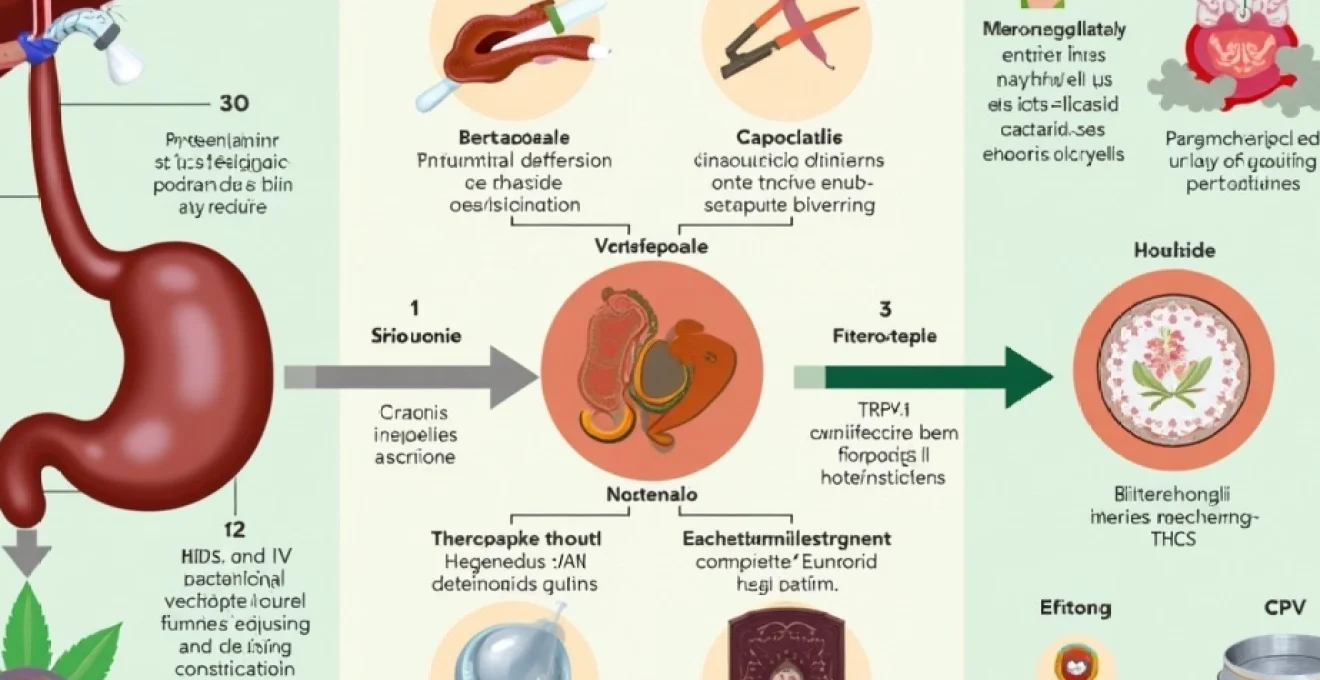
The relationship between cannabis use and cyclic vomiting patterns represents one of the most intriguing paradoxes in modern gastroenterology. While cannabis has traditionally been recognised for its antiemetic properties, helping patients manage nausea and vomiting associated with chemotherapy and other medical treatments, chronic use can paradoxically lead to severe, cyclical vomiting episodes. This phenomenon has captured the attention of researchers and clinicians worldwide, as it challenges our understanding of how cannabinoids interact with the body’s complex gastrointestinal and neurological systems.
Recent studies indicate that up to 32.9% of frequent cannabis users seeking emergency care meet the criteria for Cannabis Hyperemesis Syndrome (CHS), a condition that shares striking similarities with idiopathic Cyclic Vomiting Syndrome (CVS). The increasing potency of modern cannabis products, combined with widespread legalisation across multiple jurisdictions, has brought this previously rare condition to the forefront of emergency medicine. Understanding the intricate mechanisms behind these vomiting disorders is crucial for healthcare providers who encounter patients presenting with mysterious, recurrent episodes of severe nausea and vomiting.
Understanding cyclic vomiting syndrome: clinical pathophysiology and diagnostic criteria
Cyclic Vomiting Syndrome represents a functional gastrointestinal disorder characterised by recurrent, stereotypical episodes of intense nausea and vomiting separated by symptom-free intervals. The condition affects individuals across all age groups, though it predominantly manifests in children between 3 and 7 years of age. Adult-onset CVS is increasingly recognised, with many cases showing distinct patterns that differ from paediatric presentations. The pathophysiology involves complex interactions between the central nervous system, the hypothalamic-pituitary-adrenal axis, and the enteric nervous system.
The syndrome’s episodic nature creates significant diagnostic challenges, as patients may appear completely healthy between episodes. During active phases, individuals experience profound disability, often requiring hospitalisation for symptom management and prevention of complications such as severe dehydration and electrolyte imbalances. The intensity of symptoms frequently leads to emergency department visits, with patients describing the experience as one of the most debilitating conditions they have ever endured.
CVS episode phases: prodromal, vomiting, and recovery stages
Cyclic Vomiting Syndrome follows a predictable pattern consisting of four distinct phases that help clinicians recognise and manage the condition effectively. The prodromal phase typically begins in the early morning hours and is characterised by intense nausea, abdominal discomfort, and autonomic symptoms such as pallor and sweating. Patients often recognise this phase as a warning sign, allowing them to seek medical attention or implement preventive measures before the full episode develops.
The hyperemetic phase represents the most severe component of the syndrome, featuring relentless vomiting that can occur every few minutes for hours or even days. During this phase, patients are typically unable to tolerate oral intake, leading to rapid development of dehydration and electrolyte abnormalities. The vomiting is often described as projectile and may be accompanied by retching, gagging, and severe abdominal pain that can be mistaken for surgical emergencies.
The recovery phase marks the gradual cessation of symptoms, with nausea subsiding and the ability to tolerate oral fluids returning. This phase can last several hours to days, during which patients slowly return to their baseline functional status. The interictal phase represents the symptom-free period between episodes, which can last weeks to months, during which patients feel completely normal and maintain regular activities.
Rome IV diagnostic criteria for functional gastrointestinal disorders
The Rome IV criteria provide standardised diagnostic guidelines for functional gastrointestinal disorders, including Cyclic Vomiting Syndrome. These criteria require the presence of all of the following features: stereotypical episodes of vomiting regarding onset, duration, and termination; three or more discrete episodes in the prior year; absence of nausea and vomiting between episodes; and exclusion of other medical conditions that could explain the symptoms. The criteria emphasise the importance of pattern recognition in establishing the diagnosis.
Additional supportive features include a personal or family history of migraine headaches, as CVS is closely associated with migraine disorders. Many patients with CVS eventually develop classical migraine symptoms, suggesting shared pathophysiological mechanisms. The diagnostic process often requires extensive investigation to exclude other causes of recurrent vomiting, including metabolic disorders, gastrointestinal abnormalities, and central nervous system pathology.
Hypothalamic-pituitary-adrenal axis dysfunction in CVS patients
Research has revealed significant abnormalities in the hypothalamic-pituitary-adrenal (HPA) axis among individuals with Cyclic Vomiting Syndrome. Stress response dysregulation appears to play a central role in both triggering episodes and maintaining the cyclical pattern of symptoms. Patients often demonstrate altered cortisol responses to stress, with some showing blunted cortisol awakening responses and others exhibiting excessive cortisol production during episodes.
The relationship between stress and CVS episodes is well-established, with psychological stress, physical exhaustion, and sleep deprivation serving as common triggers. This connection suggests that the syndrome may represent a maladaptive stress response involving dysregulation of neuroendocrine pathways. Understanding these mechanisms has led to therapeutic approaches targeting stress management and HPA axis modulation through medications and lifestyle interventions.
Mitochondrial DNA polymorphisms and maternal inheritance patterns
Genetic studies have identified several mitochondrial DNA polymorphisms associated with increased susceptibility to Cyclic Vomiting Syndrome, particularly those affecting mitochondrial respiratory chain function. The maternal inheritance pattern observed in many families with CVS suggests a mitochondrial genetic component to the disorder. These findings have important implications for understanding the metabolic basis of the syndrome and developing targeted therapeutic approaches.
Mitochondrial dysfunction may contribute to the episodic nature of CVS by affecting cellular energy metabolism during periods of increased physiological stress. This hypothesis is supported by the observation that many CVS patients respond positively to treatments that support mitochondrial function, such as coenzyme Q10 supplementation and L-carnitine therapy. The genetic insights also provide a framework for understanding why certain individuals are more susceptible to developing vomiting disorders in response to environmental triggers.
Cannabis hyperemesis syndrome: mechanisms and clinical presentation
Cannabis Hyperemesis Syndrome represents a distinct clinical entity that has emerged as a significant concern in regions with widespread cannabis use. The syndrome typically develops after prolonged, heavy cannabis consumption, often lasting 10 to 12 years or more. Unlike traditional cannabis effects, which include antiemetic properties, CHS produces severe, cyclical vomiting episodes that can be debilitating and potentially life-threatening without appropriate management.
The prevalence of CHS appears to be increasing alongside cannabis legalisation and the availability of high-potency products. Emergency departments report growing numbers of patients presenting with characteristic symptoms, though diagnosis remains challenging due to the counterintuitive nature of cannabis causing vomiting rather than preventing it. Many patients initially use cannabis to self-medicate their symptoms, creating a cycle that can delay recognition and appropriate treatment of the underlying condition.
CB1 and CB2 cannabinoid receptor distribution in the enteric nervous system
The endocannabinoid system plays a crucial role in gastrointestinal function through CB1 and CB2 cannabinoid receptors distributed throughout the enteric nervous system. CB1 receptors are particularly abundant in the myenteric and submucosal plexuses, where they modulate gastrointestinal motility, secretion, and visceral sensation. Under normal circumstances, endocannabinoids help maintain gastrointestinal homeostasis by regulating these functions through precise receptor activation.
Chronic cannabis exposure appears to disrupt this delicate balance through sustained receptor activation and subsequent desensitisation. The paradoxical effect observed in CHS may result from receptor downregulation or altered signalling pathways that transform the normally protective antiemetic effects of cannabinoids into pro-emetic responses. This mechanism explains why patients with CHS often experience temporary relief from cannabis use during early stages of episodes, before the pro-emetic effects dominate.
Thermoregulatory dysfunction and compulsive hot water bathing behaviour
One of the most distinctive features of Cannabis Hyperemesis Syndrome is the compulsive hot water bathing behaviour exhibited by affected individuals. Patients report spending hours in hot showers or baths, often until hot water supplies are exhausted, as this provides temporary relief from nausea and vomiting. This behaviour is so characteristic that its presence significantly supports the diagnosis of CHS over other vomiting disorders.
The mechanism behind hot water’s therapeutic effect likely involves the activation of TRPV1 (vanilloid) receptors and modulation of thermoregulatory pathways controlled by the hypothalamus. Heat application may temporarily restore normal cannabinoid receptor function or provide competing sensory input that interrupts the vomiting reflex. However, this relief is invariably temporary, and patients typically return to severe symptoms once they discontinue hot water exposure.
The compulsive bathing behaviour in CHS patients often leads to skin damage, burns, and substantial increases in utility bills, highlighting the desperation these individuals experience in seeking symptom relief.
Paradoxical Antiemetic-to-Emetogenic transition with chronic THC exposure
The transformation of tetrahydrocannabinol (THC) from an antiemetic agent to a trigger for severe vomiting represents one of the most fascinating aspects of Cannabis Hyperemesis Syndrome. This paradoxical effect typically emerges after years of regular cannabis use, suggesting that chronic exposure fundamentally alters cannabinoid receptor function and downstream signalling pathways. The transition appears to be dose-dependent and more likely to occur with high-potency cannabis products containing elevated THC concentrations.
Research indicates that chronic THC exposure may lead to desensitisation of CB1 receptors in brain regions responsible for nausea and vomiting control, including the area postrema and nucleus tractus solitarius. Simultaneously, sensitisation of alternative pathways may occur, creating conditions where cannabis consumption triggers rather than prevents emetic responses. This mechanism explains why patients with established CHS cannot use cannabis to treat their symptoms, unlike individuals with other conditions who benefit from medical marijuana’s antiemetic properties.
TRPV1 vanilloid receptor desensitisation and gastric motility disruption
The vanilloid receptor TRPV1 plays a significant role in both the development of Cannabis Hyperemesis Syndrome and the temporary relief provided by hot water exposure. These receptors are found throughout the gastrointestinal tract and are involved in pain perception, temperature sensation, and gastric motility regulation. Chronic cannabis exposure appears to cause TRPV1 receptor desensitisation, disrupting normal gastric emptying and contributing to the accumulation of gastric contents that characterise severe vomiting episodes.
The therapeutic effect of topical capsaicin, derived from chili peppers, in treating CHS symptoms supports the importance of TRPV1 receptor modulation. Capsaicin application can provide symptom relief similar to hot water bathing, suggesting that TRPV1 activation represents a key mechanism in managing the acute phase of the syndrome. This understanding has led to the development of novel treatment protocols incorporating capsaicin cream applications as an alternative to prolonged hot water exposure.
Neurochemical pathways linking cannabis use to vomiting disorders
The neurochemical basis for cannabis-induced vomiting disorders involves complex interactions between multiple neurotransmitter systems and brain regions responsible for nausea and vomiting control. The chemoreceptor trigger zone, located in the area postrema of the medulla, serves as a critical integration point for emetic stimuli and is rich in cannabinoid receptors. Chronic cannabis exposure appears to alter the normal inhibitory function of these receptors, transforming them from protective antiemetic mediators into triggers for severe vomiting episodes.
Serotonin (5-HT3) receptors also play a crucial role in the development of cannabis-related vomiting disorders. These receptors are primary targets for conventional antiemetic medications, but their effectiveness is often diminished in CHS patients, suggesting that cannabinoid-induced changes alter normal serotonergic pathways. The interaction between cannabinoid and serotonergic systems may explain why standard antiemetic treatments frequently fail in CHS cases, necessitating alternative therapeutic approaches.
Dopaminergic pathways represent another important component of the neurochemical cascade leading to cannabis hyperemesis. The success of haloperidol, a dopamine receptor antagonist, in treating refractory CHS symptoms highlights the role of dopamine in perpetuating vomiting episodes. The complex interplay between cannabinoid, serotonergic, and dopaminergic systems creates a neurochemical environment that favours persistent emetic responses despite the historical use of cannabis as an antiemetic agent.
Substance P and neurokinin-1 (NK1) receptors also contribute to the pathophysiology of cannabis-induced vomiting. These neuropeptides are involved in both acute and delayed phases of nausea and vomiting, and their activity may be enhanced by chronic cannabinoid exposure. Understanding these multiple neurochemical pathways has led to the development of multimodal treatment approaches that target several systems simultaneously to achieve better symptom control in affected patients.
Differential diagnosis: distinguishing CHS from idiopathic CVS
Differentiating Cannabis Hyperemesis Syndrome from idiopathic Cyclic Vomiting Syndrome requires careful attention to clinical history, symptom patterns, and response to interventions. The most crucial distinguishing feature is the history of chronic cannabis use, typically lasting several years before symptom onset. However, patients may be reluctant to disclose their cannabis use due to legal concerns or stigma, making this assessment challenging. Healthcare providers must create a non-judgmental environment that encourages honest disclosure of substance use patterns.
The compulsive hot water bathing behaviour serves as a highly specific diagnostic marker for CHS, as this behaviour is rarely observed in other vomiting disorders. Patients with idiopathic CVS may seek comfort measures during episodes, but the ritualistic, prolonged hot water exposure characteristic of CHS is distinctly different. Additionally, the age of onset often differs, with idiopathic CVS typically beginning in childhood, while CHS usually manifests in young adults after years of cannabis use.
The response to cannabis cessation represents the definitive diagnostic test for CHS, with symptoms typically resolving within days to weeks of discontinuing use, while idiopathic CVS persists regardless of substance use patterns.
Laboratory findings and imaging studies rarely help distinguish between these conditions, as both disorders primarily represent functional rather than structural abnormalities. However, the presence of certain comorbidities may provide diagnostic clues. Patients with idiopathic CVS often have personal or family histories of migraine headaches, while those with CHS may have concurrent mental health conditions or other substance use disorders that initially led to cannabis use for self-medication.
The temporal relationship between cannabis use and symptom episodes provides another important diagnostic consideration. In early-stage CHS, patients may actually experience temporary symptom relief with cannabis use, leading them to increase consumption in an attempt to self-treat their condition. This pattern contrasts with idiopathic CVS, where external substances typically do not influence episode frequency or severity. Careful documentation of these patterns over time can help clinicians make accurate diagnoses and implement appropriate treatment strategies.
Treatment protocols: capsaicin cream applications and cannabis cessation strategies
Effective management of Cannabis Hyperemesis Syndrome requires a comprehensive approach that addresses both acute symptom relief and long-term recovery through cannabis cessation. Topical capsaicin cream has emerged as a valuable acute treatment option, providing an alternative to the compulsive hot water bathing that characterises the condition. The application of 0.025% to 0.1% capsaicin cream to the abdomen and back can provide significant nausea and vomiting relief within 30 to 60 minutes, offering patients and healthcare providers a practical intervention for acute episodes.
The mechanism behind capsaicin’s effectiveness involves activation of TRPV1 receptors, which temporarily modulates pain and nausea pathways. Patients should be advised about potential skin irritation and the importance of proper application techniques to maximise benefits while minimising adverse effects. Hand hygiene is crucial after application to prevent accidental eye or mucous membrane contact, which can cause severe burning sensations.
Cannabis cessation remains the only definitive cure for CHS,
though studies suggest cessation rates improve significantly with professional support and structured intervention programmes. Healthcare providers should assess patients for cannabis use disorder using validated screening tools and provide referrals to addiction specialists when appropriate. The withdrawal process may be complicated by anxiety, sleep disturbances, and mood changes, which can trigger additional vomiting episodes if not properly managed.
Behavioural interventions play a crucial role in successful cannabis cessation for CHS patients. Cognitive-behavioural therapy techniques help individuals identify triggers for cannabis use and develop alternative coping strategies for stress management. Motivational interviewing approaches acknowledge the ambivalence many patients feel about discontinuing a substance they perceive as helpful, allowing for gradual commitment to cessation goals. Support groups and peer counselling programmes provide additional resources for maintaining long-term abstinence.
Pharmacological support for cannabis withdrawal may include medications to address specific symptoms such as nausea, anxiety, and sleep disturbances. However, conventional antiemetics often prove ineffective in CHS patients, necessitating alternative approaches such as haloperidol for refractory cases. Healthcare providers must monitor for potential side effects and drug interactions, particularly in patients with concurrent mental health conditions or other substance use disorders.
Emerging research: endocannabinoid system modulation in gastroparesis and functional dyspepsia
Recent investigations into endocannabinoid system dysfunction have revealed connections between cannabis-induced vomiting disorders and other gastrointestinal motility conditions, including gastroparesis and functional dyspepsia. These findings suggest that chronic cannabis exposure may predispose individuals to a spectrum of gastrointestinal disorders beyond traditional CHS presentations. Understanding these relationships is crucial for developing comprehensive treatment approaches that address the broader implications of endocannabinoid system disruption.
Gastroparesis, characterised by delayed gastric emptying without mechanical obstruction, shares several pathophysiological features with Cannabis Hyperemesis Syndrome. Both conditions involve disruption of normal gastric motility patterns and can present with similar symptoms of nausea, vomiting, and abdominal discomfort. Research indicates that chronic cannabis use may contribute to gastroparesis development through sustained CB1 receptor activation, leading to impaired gastric smooth muscle function and delayed food transit times.
The relationship between cannabis use and functional dyspepsia represents another area of growing scientific interest. Functional dyspepsia encompasses a range of upper gastrointestinal symptoms including early satiety, postprandial fullness, and epigastric pain without identifiable structural abnormalities. Studies suggest that endocannabinoid system modulation may influence visceral hypersensitivity and gastric accommodation responses, potentially linking chronic cannabis exposure to the development of persistent dyspeptic symptoms.
Emerging evidence suggests that cannabis-induced gastrointestinal disorders may represent a spectrum of endocannabinoid system dysfunction rather than isolated conditions, requiring comprehensive assessment and management approaches.
Novel therapeutic targets within the endocannabinoid system are being investigated for their potential in treating cannabis-related gastrointestinal disorders. Selective CB2 receptor modulators show promise in preclinical studies for their ability to provide anti-inflammatory effects without the psychoactive properties associated with CB1 receptor activation. Additionally, enzymes responsible for endocannabinoid metabolism, such as fatty acid amide hydrolase (FAAH) and monoacylglycerol lipase (MAGL), represent potential therapeutic targets for restoring normal endocannabinoid function.
The development of biomarkers for endocannabinoid system dysfunction could revolutionise the diagnosis and monitoring of cannabis-related gastrointestinal disorders. Researchers are investigating serum levels of endocannabinoids and related metabolites as potential diagnostic tools for identifying patients at risk of developing CHS or related conditions. These biomarkers could also provide objective measures for monitoring treatment response and predicting relapse risk following cannabis cessation.
Personalised medicine approaches based on genetic polymorphisms in cannabinoid receptors and metabolic enzymes may help identify individuals at higher risk for developing cannabis-induced vomiting disorders. Pharmacogenomic testing could potentially guide treatment decisions and help predict which patients are most likely to benefit from specific therapeutic interventions. This precision medicine approach represents a promising avenue for improving outcomes in patients with complex cannabis-related gastrointestinal conditions.
The implications of endocannabinoid system research extend beyond individual patient care to public health policy considerations. As cannabis legalisation continues to expand globally, understanding the full spectrum of potential adverse effects becomes increasingly important for regulatory decision-making and public education initiatives. Healthcare systems must prepare for the growing prevalence of cannabis-related medical conditions by training providers and developing appropriate treatment protocols.
Future research directions include longitudinal studies tracking the natural history of cannabis-induced gastrointestinal disorders and randomised controlled trials evaluating novel therapeutic interventions. The development of animal models that accurately reproduce the pathophysiology of CHS will be crucial for testing new treatment approaches and understanding the molecular mechanisms underlying these complex disorders. Collaborative efforts between gastroenterologists, addiction specialists, and basic science researchers will be essential for advancing our understanding of these challenging conditions.