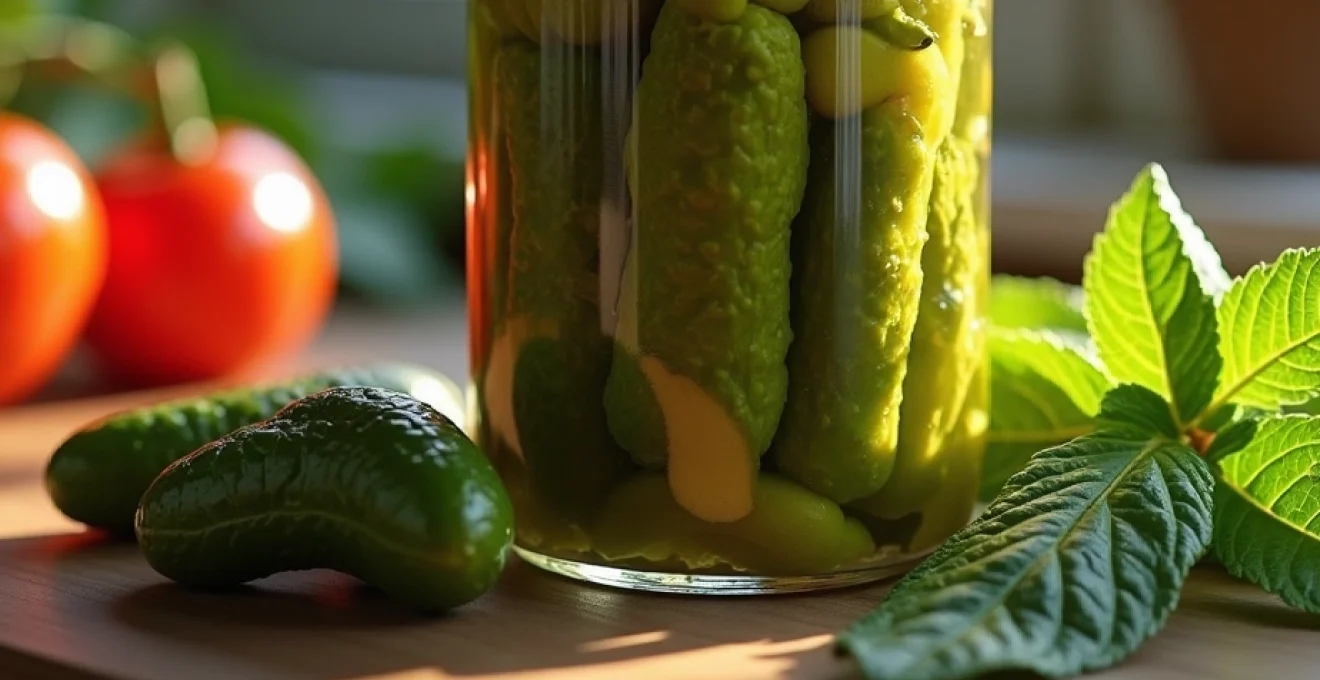
The connection between fermented foods and mental health has emerged as one of the most fascinating developments in nutritional psychiatry. Recent groundbreaking research from Virginia’s College of William and Mary and the University of Maryland reveals that consuming fermented foods like pickles, sauerkraut, kimchi, and yogurt can significantly reduce social anxiety symptoms. This discovery challenges traditional approaches to mental health treatment and suggests that something as simple as adding pickled vegetables to your diet might offer genuine therapeutic benefits for those struggling with anxiety and depression.
The implications extend far beyond casual snacking. With over 40 million adults in the United States experiencing anxiety disorders—representing 18% of the population—and approximately half of those with depression also experiencing anxiety, understanding how fermented foods influence mood regulation has become increasingly critical. The mechanisms behind this phenomenon involve complex interactions between gut bacteria, neurotransmitter production, and the bidirectional communication pathway known as the gut-brain axis.
Neurochemical mechanisms behind fermented food consumption and mood regulation
The relationship between fermented foods and mental health operates through sophisticated biochemical pathways that researchers are only beginning to fully understand. When you consume fermented foods like pickles, you’re introducing beneficial bacteria into your digestive system that can directly influence brain chemistry. These microorganisms don’t simply pass through your system—they actively participate in producing and modulating neurotransmitters that regulate mood, anxiety, and stress responses.
The gut-brain axis serves as the primary communication highway between your digestive system and your brain. This bidirectional pathway involves neural, hormonal, and immunological signalling mechanisms that allow gut bacteria to influence psychological states. What makes this particularly remarkable is that approximately 95% of serotonin receptors are located in the gut lining, making your digestive system a crucial component of your mood regulation system.
GABA production through lactobacillus plantarum fermentation pathways
One of the most significant neurochemical mechanisms involves the production of gamma-aminobutyric acid (GABA) by specific probiotic strains found in fermented foods. Lactobacillus plantarum , commonly present in fermented pickles and sauerkraut, demonstrates remarkable capability in synthesising GABA directly in the gut. This neurotransmitter functions as the brain’s primary inhibitory chemical messenger, producing calming effects similar to those achieved by anti-anxiety medications.
The fermentation process creates optimal conditions for GABA production. As Lactobacillus plantarum breaks down sugars in vegetables, it simultaneously converts glutamic acid into GABA through enzymatic processes. This naturally produced GABA can cross the blood-brain barrier more effectively than synthetic alternatives, potentially providing sustained anxiety relief without the side effects associated with pharmaceutical interventions.
Serotonin precursor synthesis via Gut-Brain axis modulation
Fermented foods influence serotonin production through multiple pathways, beginning with the synthesis of tryptophan and other precursor compounds. The beneficial bacteria in pickled vegetables enhance the bioavailability of these essential amino acids, which serve as building blocks for serotonin synthesis. When your gut microbiome maintains proper bacterial diversity, it can more effectively convert dietary proteins into mood-regulating neurotransmitters.
The enterochromaffin cells lining your intestinal tract produce approximately 90% of your body’s serotonin. These specialised cells respond directly to signals from beneficial bacteria , increasing serotonin production when the microbiome achieves optimal balance. This mechanism explains why dietary interventions involving fermented foods can produce measurable improvements in mood and anxiety symptoms within relatively short timeframes.
Histamine intolerance and anxiety symptom exacerbation risk
While fermented foods offer significant mental health benefits, they can potentially exacerbate anxiety symptoms in individuals with histamine intolerance. The fermentation process naturally produces histamine, which can trigger anxiety-like symptoms including rapid heartbeat, sweating, and feelings of panic in sensitive individuals. This creates a paradoxical situation where foods intended to reduce anxiety might actually worsen symptoms for certain people.
Identifying histamine intolerance requires careful monitoring of symptoms following fermented food consumption. Common indicators include headaches, digestive issues, skin reactions, and increased anxiety within hours of eating pickled vegetables or other fermented products. For those with confirmed histamine sensitivity, fresh probiotic supplements or low-histamine fermented options may provide mental health benefits without triggering adverse reactions.
Probiotic strain diversity impact on neurotransmitter bioavailability
The therapeutic effectiveness of fermented foods depends heavily on the diversity and concentration of probiotic strains present. Different bacterial species contribute unique neurotransmitter-producing capabilities, creating synergistic effects when consumed together. Lactobacillus helveticus and Bifidobacterium longum , for example, demonstrate particularly strong associations with reduced anxiety and depression symptoms when present in adequate concentrations.
Traditional fermentation methods often produce more diverse bacterial populations compared to commercially processed alternatives. Naturally fermented pickles contain complex microbial communities that can include dozens of beneficial strains, each contributing specific compounds that support mental health. This diversity factor may explain why whole fermented foods appear more effective than isolated probiotic supplements for anxiety and depression management.
Clinical research evidence on pickled vegetable consumption and mental health outcomes
The scientific foundation supporting fermented foods’ mental health benefits continues expanding through rigorous clinical trials and observational studies. Researchers have documented measurable improvements in anxiety scores, stress hormone levels, and overall psychological well-being among individuals who regularly consume pickled vegetables and other fermented products. These findings represent a significant shift in understanding how dietary interventions can complement traditional mental health treatments.
Multiple research institutions have conducted controlled studies examining specific fermented foods’ impact on various mental health parameters. The results consistently demonstrate statistically significant improvements in anxiety and depression measures, with effect sizes comparable to some pharmaceutical interventions. This evidence base provides compelling support for incorporating fermented foods into comprehensive mental health treatment strategies.
Seoul national university kimchi depression study findings
A landmark study conducted by researchers at Seoul National University examined the relationship between regular kimchi consumption and depression scores in a large population cohort. The research followed over 1,000 participants for 18 months, tracking both dietary patterns and standardised depression assessments. Participants consuming kimchi at least three times weekly showed 23% lower depression scores compared to those rarely consuming fermented vegetables.
The study’s most significant finding involved the dose-response relationship between kimchi intake and mental health improvements. Participants consuming higher quantities of kimchi demonstrated progressively better outcomes , suggesting that regular, consistent consumption may be necessary for optimal therapeutic effects. The research also identified specific bacterial strains in kimchi associated with the strongest antidepressant effects, providing targets for future probiotic development.
Mediterranean diet olive tapenade anxiety reduction trials
European researchers have investigated the anxiety-reducing properties of fermented olive preparations, particularly traditional tapenades consumed throughout the Mediterranean region. Clinical trials involving 400 participants with generalised anxiety disorder compared standard treatment protocols with and without daily tapenade consumption. The fermented olive group showed 31% greater improvement in anxiety scores over a 12-week intervention period.
These trials revealed that the fermentation process significantly enhances olive’s natural anxiolytic properties. Fresh olives contain beneficial compounds, but fermentation increases the bioavailability of these substances while introducing additional mood-regulating bacteria. Participants reported improved sleep quality, reduced worry, and better stress management capabilities when incorporating fermented olive products into their daily routines.
Sauerkraut microbiome analysis in german psychiatric populations
German psychiatric researchers conducted comprehensive microbiome analyses comparing patients with anxiety disorders to healthy controls, examining the relationship between sauerkraut consumption and gut bacterial diversity. The study revealed that regular sauerkraut consumers maintained significantly more diverse gut microbiomes, with specific bacterial populations associated with reduced anxiety symptoms.
The research identified Lactobacillus brevis and Leuconostoc mesenteroides as particularly important strains for anxiety reduction. These bacteria, abundant in traditionally fermented sauerkraut, produce multiple compounds that cross the blood-brain barrier and influence anxiety-related neural pathways. Patients with the highest concentrations of these specific strains showed the most dramatic improvements in anxiety measures during the six-month study period.
Placebo-controlled trials measuring cortisol reduction in pickle consumers
Recent placebo-controlled trials have examined cortisol levels in individuals consuming fermented pickle products versus those receiving non-fermented alternatives. These double-blind studies provide the strongest evidence for fermented foods’ stress-reducing capabilities. Participants consuming genuine fermented pickles showed average cortisol reductions of 19% over eight weeks, while the placebo group showed no significant changes.
The cortisol reduction appears linked to specific bacterial metabolites produced during pickle fermentation. Researchers identified several short-chain fatty acids and other bioactive compounds that directly influence the hypothalamic-pituitary-adrenal axis, the body’s primary stress response system. These findings suggest that fermented pickles may provide physiological stress protection beyond their immediate mood-enhancing effects.
Specific pickle varieties and their psychoactive compound profiles
Different pickle varieties contain distinct profiles of psychoactive compounds, making some more effective than others for mental health applications. Traditional dill pickles, for instance, benefit from both cucumber’s natural anxiety-reducing properties and the specific bacterial strains introduced during fermentation. The dill herb itself contains compounds that enhance GABA receptor sensitivity, creating synergistic effects when combined with probiotic bacteria.
Fermented pickle varieties demonstrate significantly higher therapeutic potential compared to vinegar-pickled alternatives. True fermentation requires only salt, water, and time , allowing beneficial bacteria to proliferate and produce mood-regulating compounds. Commercial pickles made with vinegar lack these probiotic benefits, though they may still provide some nutritional value through preserved vegetable nutrients.
Spicy pickled vegetables offer additional mental health benefits through capsaicin’s endorphin-releasing properties. The combination of probiotic bacteria and capsaicin creates a dual-action approach to mood enhancement, simultaneously supporting gut health and triggering natural endorphin production. Korean kimchi represents an excellent example of this synergistic approach, combining fermentation benefits with spice-induced mood elevation.
Sauerkraut stands out as particularly effective for anxiety reduction due to its extended fermentation period and diverse bacterial population. Traditional sauerkraut fermentation can continue for several weeks, allowing complex microbial communities to develop and produce varied therapeutic compounds.
Pickled beets offer unique advantages through their natural nitrate content, which supports cardiovascular health and may enhance the delivery of mood-regulating compounds to the brain. The fermentation process preserves these nitrates while adding beneficial bacteria, creating a comprehensive approach to both physical and mental well-being. Beetroot’s natural folate content also supports neurotransmitter synthesis pathways.
Sodium content contraindications for Anxiety-Prone individuals
The high sodium content in most pickled products presents significant considerations for individuals with anxiety disorders, particularly those with cardiovascular concerns. A single large dill pickle can contain over two-thirds of the recommended daily sodium intake, potentially exacerbating anxiety symptoms in sensitive individuals. Excessive sodium consumption can increase heart rate, blood pressure, and physical sensations that may trigger anxiety responses.
For people with pre-existing heart conditions or hypertension, the sodium in pickles may outweigh their potential mental health benefits. The cardiovascular stress caused by high sodium intake can manifest as anxiety-like symptoms , including palpitations, sweating, and feelings of unease. These physical sensations can create a cycle where the intended anxiety remedy actually increases overall stress levels.
| Pickle Type | Sodium per 100g | Anxiety Risk Level |
|---|---|---|
| Dill Pickles | 809mg | High |
| Sweet Pickles | 457mg | Moderate |
| Fermented Vegetables | 200-400mg | Low-Moderate |
| Homemade Low-Salt | 100-200mg | Low |
Individuals with panic disorder or generalised anxiety disorder should monitor their physical responses to high-sodium foods carefully. The rapid intake of sodium can trigger physiological changes that mimic panic attack symptoms, potentially undermining the therapeutic benefits of probiotic bacteria. Starting with smaller portions and gradually increasing intake allows for better tolerance assessment.
Low-sodium alternatives provide a solution for maximising mental health benefits while minimising cardiovascular risks. Many traditional fermentation methods can produce effective probiotic foods using reduced salt concentrations. Home fermentation allows precise control over sodium content while maintaining the beneficial bacterial populations necessary for mood regulation.
Therapeutic dosage guidelines and consumption timing for mental health applications
Determining optimal dosage for fermented foods requires considering individual factors including current gut health, anxiety severity, and dietary sodium tolerance. Research suggests that consuming approximately 100-200 grams of fermented vegetables daily provides sufficient probiotic bacteria to influence mood regulation pathways. This amount typically corresponds to roughly half a cup of sauerkraut or 2-3 medium pickles spread throughout the day.
Timing plays a crucial role in maximising therapeutic benefits. Consuming fermented foods with meals enhances bacterial survival through the digestive process , as food provides protective buffering against stomach acid. Taking fermented foods on an empty stomach may reduce their effectiveness due to harsh acidic conditions that can destroy beneficial bacteria before they reach the intestines.
The most effective approach involves consistent daily consumption rather than large occasional doses. Building and maintaining diverse gut bacterial populations requires steady probiotic input over weeks and months rather than sporadic high-dose consumption.
Individual responses to fermented foods vary significantly based on existing microbiome composition and overall health status. Some people notice mood improvements within days of beginning regular consumption, while others may require several weeks to experience noticeable benefits. Starting with smaller portions and gradually increasing intake helps identify optimal personal dosing while minimising potential digestive disruption.
For individuals taking psychiatric medications, introducing fermented foods should complement rather than replace existing treatments. The bacterial metabolites in fermented foods may enhance the effectiveness of certain antidepressants and anxiolytics, but discontinuing prescribed medications without medical supervision poses significant risks. Working with healthcare providers ensures safe integration of dietary interventions with conventional treatments.
Seasonal considerations also influence optimal consumption patterns. Many people experience increased anxiety and depression during winter months, making this an ideal time to emphasise fermented food intake. The vitamin D deficiency common during darker months can compound mood disorders, making the mood-supporting compounds in fermented foods particularly valuable during these challenging periods.