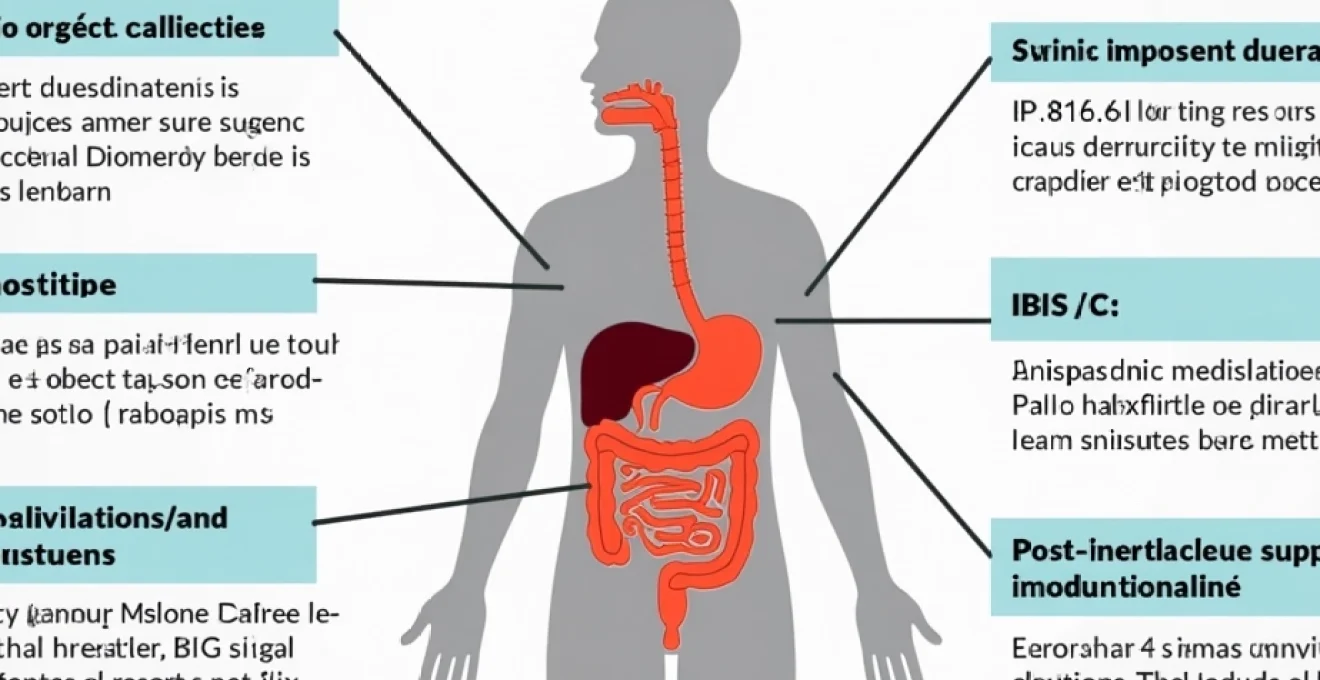
Irritable Bowel Syndrome affects millions of people worldwide, with abdominal pain being one of the most distressing and persistent symptoms. The duration of IBS pain varies dramatically between individuals, ranging from brief episodes lasting minutes to chronic discomfort persisting for months. Understanding the temporal patterns of IBS pain is crucial for both patients and healthcare providers in developing effective management strategies.
The unpredictable nature of IBS pain episodes creates significant challenges for those living with this condition. Pain duration depends on numerous factors including the specific IBS subtype, individual pain sensitivity, triggering factors, and the effectiveness of treatment interventions. Recent clinical research has revealed complex mechanisms underlying pain persistence in IBS, offering new insights into why some episodes resolve quickly whilst others become prolonged and debilitating.
Understanding IBS pain duration patterns and pathophysiology
The Rome IV criteria provide the most current framework for understanding IBS pain patterns, establishing that abdominal pain must occur at least one day per week during the previous three months to meet diagnostic criteria. However, the actual duration and intensity of pain episodes varies considerably. Clinical studies demonstrate that IBS pain episodes can last anywhere from 30 minutes to several weeks , with the average acute episode persisting for 2-4 days when left untreated.
Rome IV criteria classification and pain chronicity markers
Under the Rome IV classification system, pain chronicity is assessed through specific temporal markers that help clinicians understand the progression and severity of symptoms. Research indicates that approximately 40% of IBS patients experience daily pain episodes, whilst 35% report pain occurring 2-3 times weekly. The remaining 25% experience more sporadic episodes that may last longer but occur less frequently.
Pain chronicity markers include the frequency of episodes, duration of individual episodes, and the presence of pain-free intervals. Patients with higher chronicity scores typically experience longer-lasting episodes, often extending beyond one week. These individuals frequently develop central sensitisation, where the nervous system becomes hypersensitive to normal gut sensations.
Visceral hypersensitivity mechanisms in abdominal pain persistence
Visceral hypersensitivity represents a fundamental mechanism underlying prolonged IBS pain episodes. This condition involves heightened sensitivity of pain receptors in the digestive tract, causing normal digestive processes to generate intense discomfort. Studies using balloon distension tests show that IBS patients typically report pain at significantly lower thresholds compared to healthy individuals.
The persistence of visceral hypersensitivity can extend pain episodes for days or weeks after the initial trigger has resolved. Inflammatory mediators released during stress or dietary indiscretions can maintain this heightened sensitivity, explaining why some patients experience prolonged pain even after addressing apparent triggers. Neuroplasticity changes in pain processing pathways further contribute to the chronicity of symptoms.
Gut-brain axis dysfunction and central sensitisation effects
The gut-brain axis plays a pivotal role in determining pain duration through bidirectional communication between the enteric nervous system and the central nervous system. Dysfunction in this communication network can perpetuate pain signals long after the initial intestinal disturbance has resolved. Neurotransmitter imbalances, particularly involving serotonin, dopamine, and GABA, contribute to prolonged pain experiences.
Central sensitisation occurs when repeated pain signals cause changes in spinal cord processing, amplifying future pain experiences. This phenomenon can transform acute IBS pain episodes into chronic conditions lasting months or years. Brain imaging studies reveal altered activity in pain processing centres, including the anterior cingulate cortex and insula, in patients with chronic IBS pain.
Inflammatory cytokine response and pain signal amplification
Low-grade inflammation in the intestinal wall contributes to pain persistence through cytokine-mediated mechanisms. Pro-inflammatory cytokines such as interleukin-6, tumour necrosis factor-alpha, and interleukin-1 beta can sensitise pain receptors and prolong pain episodes. These inflammatory mediators can remain elevated for weeks following initial triggers, explaining the extended duration of some IBS pain episodes.
The inflammatory response also activates mast cells and immune system components that release additional pain-sensitising substances. This cascade effect can perpetuate discomfort well beyond the resolution of the primary trigger, whether dietary, emotional, or infectious in origin.
IBS pain duration across different subtypes and severity classifications
The three primary IBS subtypes demonstrate distinct pain duration patterns, reflecting their underlying pathophysiology and treatment responses. Understanding these differences is essential for predicting episode length and implementing appropriate management strategies.
IBS-D (Diarrhoea-Predominant) pain episodes and recovery timeframes
IBS-D patients typically experience shorter but more intense pain episodes, with the average acute episode lasting 1-3 days. The rapid transit time associated with diarrhoea often provides quicker resolution of intestinal distension and associated pain. However, the frequent nature of episodes means that patients may experience cumulative effects, with overlapping episodes creating the perception of continuous discomfort.
Recovery timeframes in IBS-D are generally faster, with 70% of patients reporting significant pain reduction within 48 hours of episode onset. The key factor influencing recovery speed is the effectiveness of bowel evacuation and the restoration of normal intestinal motility. Hydration status and electrolyte balance also significantly impact recovery duration.
IBS-C (Constipation-Predominant) cramping duration and resolution patterns
IBS-C presents a contrasting pattern, with pain episodes typically lasting longer but occurring less frequently. The average IBS-C pain episode persists for 4-7 days, primarily due to prolonged intestinal distension from retained stool and gas. The cramping nature of IBS-C pain tends to be more persistent and grinding compared to the acute spasmodic pain of IBS-D.
Resolution patterns in IBS-C are closely tied to bowel movement frequency and completeness. Partial evacuation often leads to continued discomfort, whilst complete bowel clearance usually provides rapid relief. The use of appropriate laxatives or prokinetic agents can significantly reduce episode duration from weeks to days.
IBS-M (mixed type) pain variability and unpredictable episode length
IBS-M represents the most unpredictable subtype regarding pain duration, with episodes ranging from hours to months. The alternating pattern between constipation and diarrhoea creates complex pain experiences that may include both spasmodic and distensive components. This variability makes IBS-M particularly challenging to manage and predict.
The transition periods between constipation and diarrhoea phases often produce the most intense and prolonged pain episodes. During these transitions, patients may experience continuous discomfort for 1-2 weeks as bowel habits fluctuate. Stress-related triggers particularly affect IBS-M patients, often precipitating longer-lasting episodes.
Post-infectious IBS pain persistence following gastroenteritis recovery
Post-infectious IBS (PI-IBS) often presents unique pain duration characteristics, with initial episodes potentially lasting weeks to months following the resolution of acute gastroenteritis. The inflammatory damage to the intestinal lining and enteric nervous system can create prolonged hypersensitivity that persists long after infection clearance.
Recovery from PI-IBS pain typically follows a gradual pattern over 6-12 months, though some patients experience symptoms for years. The severity and duration of the original infection correlate with subsequent pain episode length, with more severe gastroenteritis leading to longer-lasting IBS symptoms.
Clinical pain assessment tools and duration measurement protocols
Accurate assessment of IBS pain duration requires standardised tools and protocols that capture both subjective experiences and objective measures. The Visual Analogue Scale (VAS) remains the gold standard for pain intensity measurement, whilst pain diaries provide crucial temporal data about episode duration and frequency patterns.
The IBS Symptom Severity Scale (IBS-SSS) incorporates duration measurements alongside intensity ratings, providing a comprehensive assessment of pain impact. This validated tool considers pain frequency, duration, and interference with daily activities to generate severity scores ranging from 75-500 points. Scores above 300 typically indicate severe symptoms with prolonged episode durations.
Recent studies indicate that patients who maintain detailed pain diaries experience 30% shorter episode durations due to improved trigger identification and early intervention strategies.
Digital health applications now offer sophisticated tracking capabilities, allowing patients to record pain onset, intensity progression, and resolution times with unprecedented accuracy. These tools enable healthcare providers to identify patterns and adjust treatment protocols to minimise episode duration.
Pharmaceutical interventions and pain resolution timeframes
The choice of pharmaceutical intervention significantly influences pain resolution timeframes, with different medication classes demonstrating varying onset and duration of action. Understanding these pharmacokinetic profiles helps optimize treatment selection for individual patients based on their typical episode patterns.
Antispasmodic medications: mebeverine and peppermint oil efficacy windows
Mebeverine hydrochloride demonstrates rapid onset of action, typically providing pain relief within 30-60 minutes of administration. Clinical trials show that mebeverine can reduce episode duration by 40-50% when administered at symptom onset. The medication’s selective action on intestinal smooth muscle makes it particularly effective for cramping-type pain associated with IBS-C.
Peppermint oil capsules offer a more sustained approach, with enteric-coated formulations releasing active compounds directly into the small intestine over 2-4 hours. This prolonged release can provide pain relief lasting 6-8 hours and may reduce the overall duration of pain episodes by promoting intestinal muscle relaxation. Studies indicate that regular peppermint oil use can reduce episode frequency by up to 60%.
Tricyclic antidepressants: amitriptyline pain modulation timeline
Amitriptyline and other tricyclic antidepressants require 2-4 weeks of consistent use to achieve optimal pain modulation effects. However, once therapeutic levels are established, these medications can significantly reduce both the frequency and duration of pain episodes. The neuromodulatory effects of tricyclics work by altering pain perception pathways in the central nervous system.
Patients typically report a gradual reduction in episode severity and duration over the first month of treatment. Low-dose protocols (10-25mg daily) often provide sufficient pain relief whilst minimising side effects. The pain-modulating effects can persist for several hours after each dose, providing sustained relief during acute episodes.
5-HT3 antagonists: ondansetron and alosetron response duration
Ondansetron provides rapid onset pain relief, typically within 15-30 minutes of administration, making it valuable for acute episode management. The medication’s action on serotonin receptors in the gut can interrupt pain signalling pathways and reduce episode intensity. Clinical studies demonstrate that ondansetron can shorten acute episode duration by an average of 24-36 hours.
Alosetron, specifically approved for severe IBS-D in women, demonstrates more prolonged effects with sustained pain relief lasting 12-24 hours per dose. The medication’s ability to slow colonic transit and reduce visceral hypersensitivity can prevent the development of prolonged pain episodes when used prophylactically.
Probiotics supplementation: lactobacillus and bifidobacterium pain relief progression
Probiotic interventions typically require 4-8 weeks of consistent supplementation to demonstrate significant effects on pain duration and frequency. Lactobacillus plantarum and Bifidobacterium infantis show particular efficacy in reducing inflammatory mediators that contribute to prolonged pain episodes. The gradual restoration of intestinal microbial balance correlates with progressive improvements in pain management.
Multi-strain probiotic formulations often provide superior results, with clinical trials demonstrating 45% reductions in average episode duration after 12 weeks of supplementation. The anti-inflammatory effects of beneficial bacteria can break the cycle of chronic intestinal irritation that perpetuates prolonged pain episodes.
Dietary modification impact on pain duration and recurrence
Dietary interventions represent one of the most effective approaches for reducing IBS pain duration and preventing recurrent episodes. The systematic identification and elimination of trigger foods can dramatically shorten episode length and reduce overall symptom burden.
Low FODMAP diet implementation and symptom resolution timeline
The low FODMAP diet demonstrates remarkable efficacy in reducing pain episode duration, with most patients experiencing significant improvements within 2-6 weeks of implementation. The elimination phase typically lasts 6-8 weeks, during which fermentable carbohydrates are systematically removed from the diet. Studies show that 75% of patients experience at least 50% reduction in pain episode duration during this phase.
The reintroduction phase provides crucial information about individual trigger foods and their specific effects on pain duration. Foods containing fructans and galacto-oligosaccharides typically produce the longest-lasting pain episodes, often persisting for 2-3 days after consumption. Personalised FODMAP thresholds allow patients to minimize episode duration whilst maintaining dietary variety.
Elimination diet protocols and pain episode frequency reduction
Systematic elimination diets following structured protocols can identify specific triggers that contribute to prolonged pain episodes. The most effective approach involves eliminating suspected triggers for 4-6 weeks, followed by systematic reintroduction with careful monitoring of pain duration and intensity.
Common trigger foods associated with longer pain episodes include spicy foods, high-fat meals, alcohol, and caffeine. The temporal relationship between trigger consumption and pain onset varies, with some foods producing immediate effects whilst others may delay symptoms for 12-24 hours. This delayed response often prolongs the overall episode duration and complicates trigger identification.
Fibre supplementation effects on cramping duration patterns
Soluble fibre supplementation, particularly psyllium husk, can significantly reduce cramping duration in both IBS-C and IBS-D patients. The gradual introduction of soluble fibre over 2-4 weeks helps normalise bowel function and reduce the intensity of intestinal contractions that contribute to prolonged pain episodes.
Insoluble fibre requires more careful management, as excessive intake can initially increase cramping duration before providing benefits. The optimal approach involves starting with small amounts (5-10g daily) and gradually increasing whilst monitoring pain response. Timing of fibre intake relative to meals can influence its effectiveness in reducing episode duration.
Clinical evidence suggests that patients following structured dietary modification programmes experience 60% shorter pain episodes and 40% fewer recurrent symptoms compared to those relying solely on medication management.
Emergency medical consultation thresholds and red flag symptoms
Whilst most IBS pain episodes resolve within days to weeks, certain symptoms warrant immediate medical attention regardless of episode duration. Understanding these red flag symptoms is crucial for distinguishing benign IBS pain from potentially serious conditions requiring urgent intervention.
Pain episodes lasting longer than four weeks without improvement should trigger comprehensive medical evaluation, particularly if accompanied by weight loss, rectal bleeding, or fever. These symptoms may indicate inflammatory bowel disease, malignancy, or other serious gastrointestinal conditions that require different treatment approaches than standard IBS management.
Severe pain that awakens patients from sleep or prevents normal daily activities represents another threshold for urgent medical consultation. IBS pain typically improves with bowel movements and rarely causes severe nocturnal symptoms, making night-time pain a potential indicator of alternative diagnoses.
Changes in pain characteristics, such as localization to specific quadrants or association with vomiting, should prompt immediate medical evaluation. The development of new symptoms during what appears to be a prolonged IBS episode may indicate complications or alternative conditions requiring specialist assessment.
Age considerations also influence consultation thresholds, with new-onset IBS symptoms after age 50 requiring more thorough investigation. The risk of serious pathology increases with age, making prolonged pain episodes in older adults particularly concerning and deserving of comprehensive evaluation including appropriate imaging and endoscopic studies.