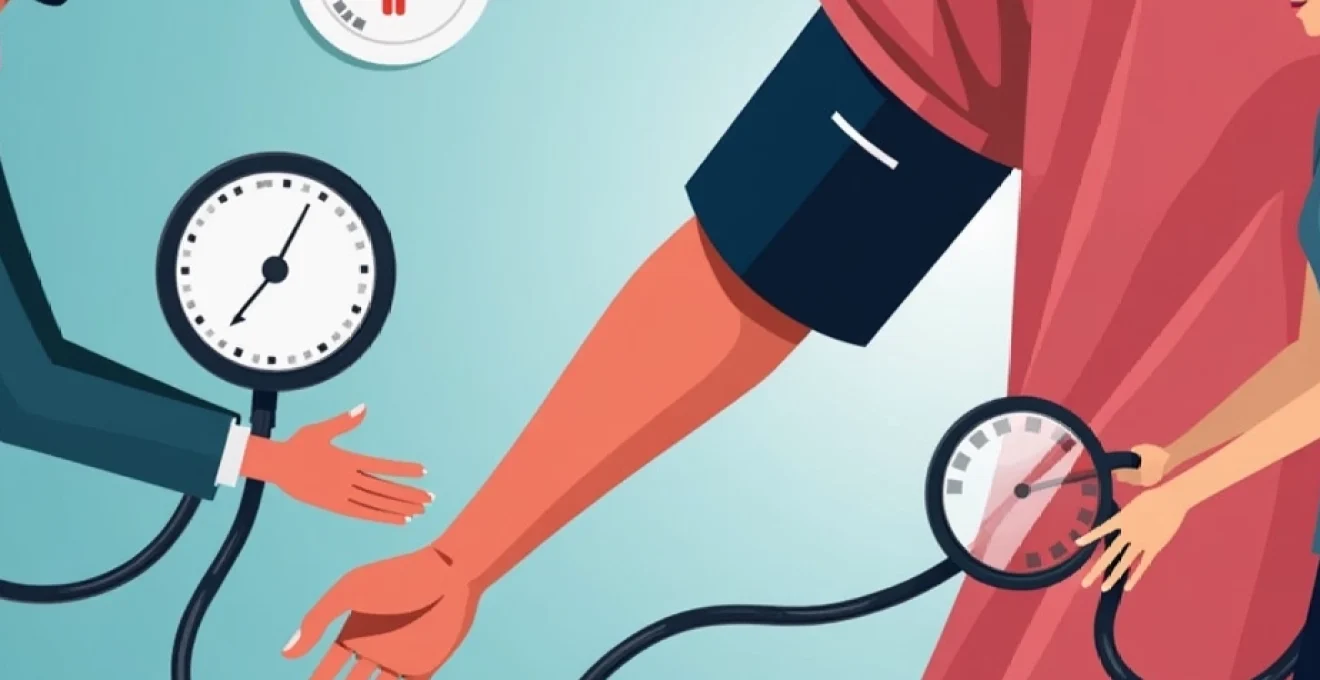
A systolic blood pressure reading of 190 mmHg represents a severe hypertensive state that demands immediate medical attention and comprehensive clinical assessment. This level of blood pressure elevation places individuals at substantial risk for acute cardiovascular events and target organ damage, particularly when sustained over extended periods. The significance of such readings extends beyond simple numerical values, encompassing complex physiological mechanisms that affect multiple organ systems simultaneously.
Understanding the clinical implications of severely elevated blood pressure readings requires examination of established classification systems, underlying pathophysiological processes, and evidence-based management protocols. Modern cardiovascular medicine recognises that blood pressure readings above 180/120 mmHg constitute hypertensive crises, requiring differentiation between hypertensive urgency and hypertensive emergency based on the presence or absence of acute end-organ damage.
Understanding blood pressure classification systems and hypertensive crisis thresholds
Contemporary blood pressure classification systems have evolved significantly over recent decades, with major international guidelines establishing clear thresholds for diagnosing and managing severe hypertension. These classification frameworks provide essential reference points for clinicians when evaluating patients with markedly elevated blood pressure readings such as 190 mmHg systolic.
NICE guidelines for stage 2 hypertension diagnosis at 160/100 mmhg
The National Institute for Health and Care Excellence (NICE) guidelines establish Stage 2 hypertension at clinic readings of 160/100 mmHg or higher, with corresponding home monitoring thresholds of 150/95 mmHg. A systolic reading of 190 mmHg significantly exceeds these Stage 2 criteria, placing patients in the severe hypertension category that requires urgent medical evaluation. NICE recommendations emphasise the importance of ambulatory blood pressure monitoring to confirm sustained elevation and guide therapeutic interventions.
The NICE framework recognises that blood pressure readings above 180/120 mmHg constitute severe hypertension requiring same-day specialist assessment. This classification acknowledges the exponential increase in cardiovascular risk associated with extreme blood pressure elevation, particularly when target organ damage becomes evident through clinical examination or diagnostic testing.
American heart association’s stage 2 hypertension classification at 140/90 mmhg
The American Heart Association (AHA) and American College of Cardiology (ACC) guidelines define Stage 2 hypertension at 140/90 mmHg, representing a more aggressive approach to hypertension management compared to previous iterations. Under these guidelines, a systolic reading of 190 mmHg falls well beyond Stage 2 criteria, approaching hypertensive crisis territory that demands immediate intervention.
The AHA classification system emphasises cardiovascular risk stratification, recognising that blood pressure readings above 180 mmHg systolic or 120 mmHg diastolic constitute hypertensive crises requiring emergency department evaluation. This approach reflects growing evidence that aggressive blood pressure control significantly reduces cardiovascular morbidity and mortality rates across diverse patient populations.
ESC/ESH european society guidelines for severe hypertension markers
The European Society of Cardiology (ESC) and European Society of Hypertension (ESH) guidelines define severe hypertension as systolic blood pressure ≥180 mmHg or diastolic blood pressure ≥110 mmHg. These thresholds align closely with hypertensive crisis definitions, establishing clear clinical decision points for emergency management protocols.
European guidelines place particular emphasis on comprehensive cardiovascular risk assessment, incorporating factors such as diabetes mellitus, chronic kidney disease, and established cardiovascular disease when evaluating patients with severe hypertension. This holistic approach recognises that blood pressure elevation rarely occurs in isolation , typically manifesting alongside multiple cardiovascular risk factors that compound overall clinical risk.
Hypertensive emergency versus hypertensive urgency clinical distinctions
The critical distinction between hypertensive emergency and hypertensive urgency lies in the presence or absence of acute target organ damage, rather than absolute blood pressure values alone. Hypertensive emergency requires evidence of acute end-organ dysfunction affecting the brain, heart, kidneys, or vasculature, demanding immediate blood pressure reduction to prevent irreversible organ damage.
Hypertensive urgency involves severely elevated blood pressure without acute organ dysfunction, allowing for more gradual blood pressure reduction over 24-48 hours. This distinction proves crucial for determining appropriate treatment settings and intervention strategies, as overly aggressive blood pressure reduction in hypertensive urgency can precipitate cerebral, coronary, or renal hypoperfusion.
Hypertensive crises affect approximately 1-2% of patients with chronic hypertension, with mortality rates reaching 10-15% in hypertensive emergencies without appropriate intervention.
Pathophysiology of severely elevated systolic blood pressure readings
The pathophysiological mechanisms underlying severely elevated blood pressure involve complex interactions between cardiac output, peripheral vascular resistance, arterial stiffness, and neurohumoral activation. Understanding these processes provides essential insights into the clinical consequences of systolic pressures reaching 190 mmHg and guides therapeutic decision-making.
Arterial wall stress and endothelial dysfunction at 190 mmhg systolic
Systolic blood pressure readings of 190 mmHg generate tremendous mechanical stress on arterial walls, exceeding normal physiological limits by approximately 150%. This excessive pressure load triggers inflammatory cascades within vascular endothelium, promoting oxidative stress and reducing nitric oxide bioavailability. Endothelial dysfunction subsequently impairs vascular reactivity and accelerates atherosclerotic progression.
The relationship between wall stress and blood pressure follows the Law of Laplace, where stress equals pressure multiplied by radius divided by wall thickness. In hypertensive patients, this relationship explains why large arteries like the aorta experience disproportionate stress increases with pressure elevation, contributing to aortic root dilatation and increased risk of dissection.
Baroreceptor reflex mechanisms and autonomic nervous system response
Baroreceptor reflexes normally maintain blood pressure homeostasis through rapid adjustments in heart rate and vascular tone. However, chronic hypertension leads to baroreceptor resetting, where pressure sensors adapt to elevated baseline levels and lose sensitivity to acute changes. This maladaptive response contributes to sustained hypertension and reduced capacity for pressure regulation.
Sympathetic nervous system hyperactivity frequently accompanies severe hypertension, creating positive feedback loops that perpetuate elevated blood pressure. Increased norepinephrine release enhances cardiac contractility and peripheral vasoconstriction while simultaneously promoting sodium retention through renal mechanisms.
Renin-angiotensin-aldosterone system activation in hypertensive states
The renin-angiotensin-aldosterone system (RAAS) plays a central role in maintaining blood pressure through volume and vasoconstriction mechanisms. In severe hypertension, paradoxical RAAS activation can occur despite elevated blood pressure, particularly in patients with underlying renal pathology or renovascular disease. Angiotensin II promotes vasoconstriction while aldosterone enhances sodium retention, both contributing to sustained pressure elevation.
RAAS activation also stimulates cardiac and vascular remodelling through growth factor pathways, leading to left ventricular hypertrophy and arterial stiffening. These structural changes reduce cardiovascular compliance and further elevate systolic pressures, creating a vicious cycle that perpetuates hypertensive pathophysiology .
Cardiac output and peripheral vascular resistance calculations
Blood pressure represents the product of cardiac output and total peripheral resistance, with both factors contributing to severe hypertension through different mechanisms. In younger patients, elevated cardiac output often predominates, while older individuals typically exhibit increased peripheral resistance due to arterial stiffening and reduced vascular compliance.
Cardiac output elevation results from increased heart rate, enhanced contractility, or expanded blood volume. Peripheral resistance increases develop through structural vascular changes, functional vasoconstriction, or reduced arterial compliance. The relative contribution of these factors influences therapeutic strategies, as cardiac output-driven hypertension responds better to rate control, while resistance-mediated elevation requires vasodilator therapy.
Target organ damage risk assessment with systolic pressures above 180 mmhg
Sustained systolic blood pressure readings exceeding 180 mmHg dramatically increase the likelihood of target organ damage across multiple systems. The cardiovascular, cerebrovascular, renal, and retinal systems prove particularly vulnerable to pressure-related injury, with damage severity correlating directly with pressure elevation duration and magnitude.
Cardiac complications include left ventricular hypertrophy, diastolic dysfunction, and accelerated coronary atherosclerosis. The heart responds to chronic pressure overload by increasing wall thickness, initially maintaining ejection fraction but eventually progressing to heart failure with preserved ejection fraction. Coronary perfusion pressure gradients become compromised when systolic pressures exceed 180 mmHg, particularly during diastole when coronary filling occurs.
Cerebrovascular consequences encompass both acute and chronic manifestations. Acute complications include hypertensive encephalopathy, intracerebral haemorrhage, and ischaemic stroke, while chronic effects involve white matter disease, cognitive impairment, and vascular dementia. The blood-brain barrier becomes increasingly permeable at systolic pressures above 180 mmHg, allowing protein extravasation and cerebral oedema formation.
Renal damage progresses through hypertensive nephrosclerosis, characterised by glomerular sclerosis, tubular atrophy, and interstitial fibrosis. Severe hypertension accelerates chronic kidney disease progression and increases proteinuria, creating additional cardiovascular risk through mineral and bone disorders. The kidney’s autoregulatory capacity becomes overwhelmed when systolic pressures exceed 180 mmHg, leading to glomerular hyperfiltration and subsequent scarring.
Retinal changes provide valuable insights into systemic vascular damage severity. Grade III and IV hypertensive retinopathy, characterised by flame-shaped haemorrhages, cotton-wool spots, and papilloedema, typically occur with systolic pressures above 180 mmHg. These findings correlate strongly with cerebral and cardiac damage severity, making ophthalmoscopic examination an essential component of hypertensive crisis evaluation.
Target organ damage occurs in approximately 75% of patients presenting with hypertensive emergencies, with mortality rates increasing exponentially when multiple organ systems are affected simultaneously.
Clinical management protocols for acute hypertensive episodes
Managing patients with systolic blood pressure readings of 190 mmHg requires careful differentiation between hypertensive urgency and emergency, with treatment approaches varying significantly based on target organ damage presence. Emergency department protocols emphasise rapid assessment of neurological, cardiac, and renal function while avoiding precipitous blood pressure reduction that could compromise organ perfusion.
Initial evaluation includes comprehensive history-taking to identify medication non-adherence, drug interactions, or underlying secondary causes. Physical examination focuses on neurological assessment, cardiac evaluation, and fundoscopic examination to detect acute target organ damage. Laboratory investigations encompass complete blood count, comprehensive metabolic panel, urinalysis, and cardiac biomarkers to assess renal function and detect myocardial injury.
Treatment selection depends on clinical presentation and comorbid conditions. For hypertensive urgency, oral antihypertensive medications allow gradual blood pressure reduction over 24-48 hours. Sublingual nifedipine should be avoided due to unpredictable absorption and potential for precipitous hypotension. Preferred agents include amlodipine, lisinopril, or metoprolol , depending on patient-specific factors and contraindications.
Hypertensive emergencies require intravenous therapy with titratable agents allowing precise blood pressure control. Target reduction involves decreasing mean arterial pressure by 10-15% during the first hour, with additional 10-15% reduction over subsequent 2-6 hours. Excessive reduction can precipitate watershed infarctions in patients with impaired cerebrovascular autoregulation.
Intravenous labetalol provides excellent blood pressure control with combined alpha and beta-blocking properties, making it suitable for most hypertensive emergencies. Clevidipine offers precise, titratable control with rapid onset and offset, particularly valuable in perioperative settings. Hydralazine should be reserved for specific indications due to unpredictable hypotensive responses and potential for coronary steal phenomena.
Long-term cardiovascular complications and framingham risk score implications
Systolic blood pressure readings of 190 mmHg profoundly impact long-term cardiovascular prognosis, with risk calculations revealing exponential increases in major adverse cardiovascular events over 10-year periods. The Framingham Risk Score and newer risk calculators demonstrate that severe hypertension alone can elevate 10-year cardiovascular death risk above 20%, placing patients in the highest risk categories requiring aggressive preventive interventions.
Coronary artery disease risk increases proportionally with systolic pressure elevation, following a log-linear relationship without evidence of threshold effects. Patients with sustained systolic pressures above 180 mmHg experience myocardial infarction rates 3-4 times higher than normotensive individuals, with risk amplification occurring through accelerated atherosclerosis, increased plaque instability, and enhanced thrombotic tendency.
Stroke risk demonstrates even stronger associations with severe hypertension than coronary disease, particularly for haemorrhagic stroke where risk increases exponentially above 160 mmHg systolic. The relative risk of intracerebral haemorrhage increases by 1.4 for every 10 mmHg systolic pressure elevation, making blood pressure control paramount for stroke prevention in high-risk populations.
Heart failure development correlates strongly with antecedent hypertension severity, with systolic pressures above 180 mmHg increasing heart failure risk by 200-300% compared to optimal blood pressure levels. Both heart failure with reduced ejection fraction and heart failure with preserved ejection fraction demonstrate strong associations with severe hypertension, though pathophysiological mechanisms differ between these phenotypes.
Atrial fibrillation incidence increases significantly with severe hypertension through left atrial enlargement and fibrosis development. The combination of severe hypertension and atrial fibrillation creates particularly high stroke risk, often necessitating anticoagulation therapy regardless of traditional stroke risk scores. Blood pressure control reduces atrial fibrillation incidence by approximately 30% across diverse patient populations.
Patients with untreated severe hypertension experience cardiovascular event rates exceeding 100 events per 1000 patient-years, compared to fewer than 10 events per 1000 patient-years in normotensive populations.
Antihypertensive medication titration and ACE inhibitor First-Line therapy
Optimal management of patients with severe hypertension requires systematic approaches to medication selection and titration, with treatment algorithms emphasising evidence-based drug classes and combination therapy strategies. Angiotensin-converting enzyme (ACE) inhibitors frequently serve as first-line therapy due to their proven cardiovascular benefits and favourable side effect profiles in diverse patient populations.
ACE inhibitors provide multiple mechanisms of benefit beyond blood pressure reduction, including cardioprotective and renoprotective effects that prove particularly valuable in patients with target organ damage. Lisinopril and enalapril demonstrate excellent efficacy in reducing systolic pressure, with dose-response relationships allowing titration from low starting doses to maximum tolerated levels. The addition of hydrochlorothiazide creates synergistic effects while minimising potassium retention risks.
Calcium channel blockers offer complementary mechanisms when ACE inhibitor monotherapy proves insufficient for blood pressure control. Amlodipine provides potent vasodilation with once-daily dosing convenience, while sustained-release nifedipine offers similar efficacy with potentially fewer peripheral oedema complications. Combination therapy with ACE inhibitors and calcium channel blockers frequently achieves target blood pressure goals in patients with severe hypertension.
Beta-blockers serve specific roles in hypertension management, particularly when coronary artery disease, heart failure, or arrhythmias coexist with elevated blood pressure. Metoprolol and carvedilol demonstrate proven mortality benefits in heart failure populations, while also providing effective blood pressure control through heart rate and contractility reduction. However, beta-blockers should be used cautiously in patients with peripheral vascular disease or reactive airway disease.
Diuretic therapy addresses volume-related components of hypertension while enhancing the effectiveness of other antihypertensive drug classes. Thiazide and thiazide-like di
uretics remain underutilized despite robust evidence supporting their cardiovascular benefits. Chlorthalidone demonstrates superior outcomes compared to hydrochlorothiazide in reducing cardiovascular events, with longer half-life providing more consistent blood pressure control throughout 24-hour periods.
Medication titration protocols emphasise gradual dose escalation to minimise adverse effects while achieving optimal blood pressure control. Initial doses should target 25-50% of maximum recommended levels, with increases occurring every 2-4 weeks based on blood pressure response and tolerability. Patients with systolic pressures of 190 mmHg typically require combination therapy from treatment initiation, as monotherapy rarely achieves adequate control at such elevated baseline levels.
Angiotensin receptor blockers (ARBs) provide alternative options when ACE inhibitors cause intolerable cough or angioedema reactions. Losartan, valsartan, and telmisartan demonstrate equivalent cardiovascular benefits to ACE inhibitors while offering improved tolerability profiles. ARBs combine particularly well with diuretics and calcium channel blockers, creating effective triple-combination regimens for resistant hypertension management.
Fixed-dose combination tablets improve medication adherence while simplifying treatment regimens for patients requiring multiple antihypertensive agents. Combinations such as lisinopril-hydrochlorothiazide, amlodipine-olmesartan, and triple-combination pills containing ACE inhibitor, calcium channel blocker, and diuretic provide convenient once-daily dosing with proven efficacy in severe hypertension populations.
Treatment resistance, defined as failure to achieve blood pressure goals despite three appropriately dosed medications including a diuretic, occurs in approximately 10-15% of patients with severe hypertension. Secondary hypertension evaluation becomes essential in these cases, investigating causes such as primary aldosteronism, renovascular disease, or sleep apnoea. Spironolactone addition often provides breakthrough blood pressure control in resistant hypertension, particularly when aldosterone excess contributes to treatment failure.
Appropriate antihypertensive therapy reduces cardiovascular event rates by 20-25% in patients with severe hypertension, with benefits becoming apparent within 6-12 months of treatment initiation.
Monitoring protocols for patients with severe hypertension require frequent blood pressure assessments during treatment initiation and dose adjustments. Home blood pressure monitoring provides valuable data between clinical visits, allowing detection of white-coat effects and assessment of 24-hour blood pressure patterns. Target blood pressure goals typically aim for values below 140/90 mmHg in most patients, with more aggressive targets of 130/80 mmHg recommended for high-risk individuals with diabetes or chronic kidney disease.
The management of patients presenting with systolic blood pressure readings of 190 mmHg demands comprehensive clinical assessment, immediate risk stratification, and evidence-based therapeutic interventions. Understanding the complex pathophysiology underlying severe hypertension enables clinicians to make informed decisions regarding treatment urgency and medication selection. While such elevated readings represent serious cardiovascular risk requiring prompt attention, appropriate management can significantly reduce long-term complications and improve patient outcomes across diverse populations.
Regular monitoring, medication adherence, and lifestyle modifications form the cornerstone of successful hypertension management, with treatment algorithms emphasising individualised approaches based on patient characteristics and comorbid conditions. The prognosis for patients with severe hypertension has improved dramatically with modern antihypertensive therapies, provided that treatment initiation occurs promptly and follows evidence-based guidelines for optimal cardiovascular risk reduction.