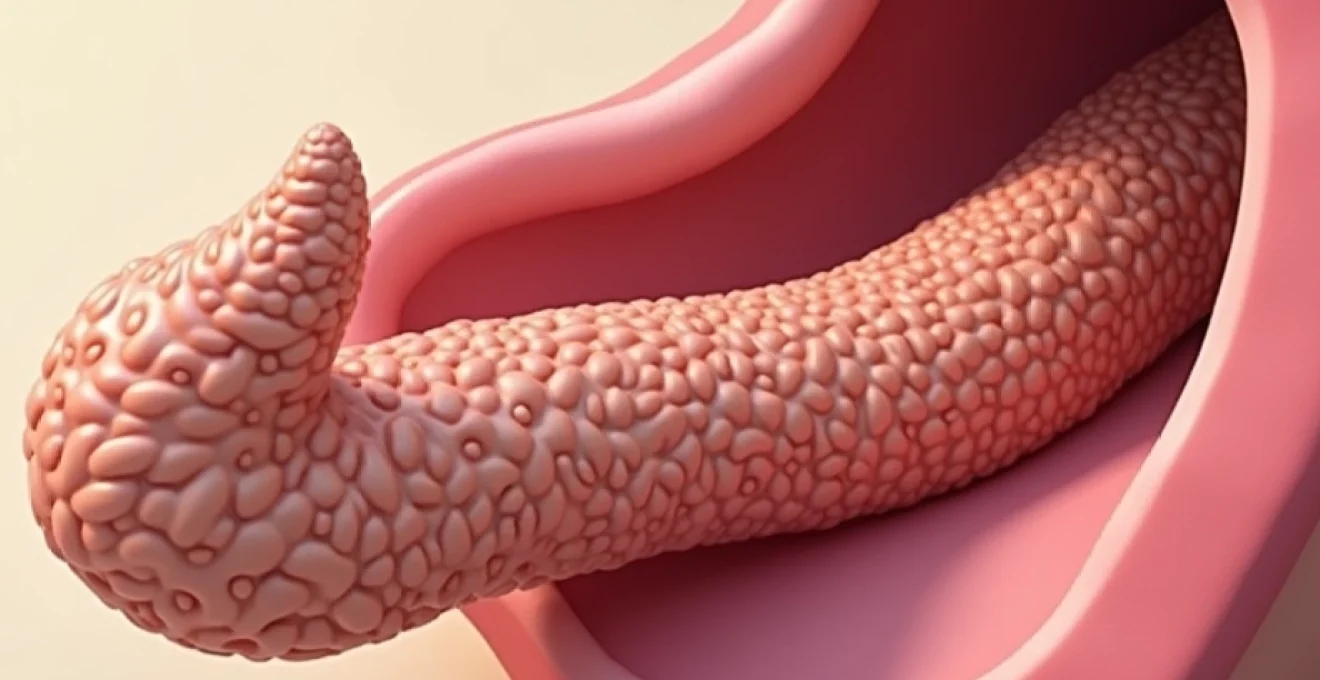
Penile curvature affects a significant portion of the male population, yet remains one of the most misunderstood aspects of male anatomy. While many men experience anxiety about the shape of their penis, the reality is that some degree of curvature is entirely normal and occurs in approximately 20-30% of men. Understanding the distinction between normal anatomical variation and pathological conditions like Peyronie’s disease is crucial for men’s health and wellbeing. The degree of curvature, associated symptoms, and impact on sexual function all play vital roles in determining whether medical intervention is necessary.
Understanding penile curvature: medical classification and normal anatomical variations
Penile curvature represents a complex anatomical phenomenon that exists on a spectrum from normal variation to pathological deformity. The medical classification system distinguishes between congenital curvatures present from birth and acquired deformities that develop later in life. Normal penile curvature typically ranges between 5 to 30 degrees, with measurements taken during full erection. This natural variation occurs because the human body rarely displays perfect symmetry, and the penis is no exception to this biological principle.
Congenital penile curvature: developmental anatomy and tissue formation
Congenital penile curvature, also known as chordee, represents a developmental variation present from birth but often not noticed until puberty when erectile function begins. This condition affects approximately 0.6% of male births and results from asymmetric development of the penile tissues during foetal growth. The underlying mechanism involves differential elasticity between the dorsal and ventral aspects of the tunica albuginea, creating an inherent bend when the organ becomes erect.
The embryological basis of congenital curvature lies in the complex development of the corpora cavernosa and surrounding fibrous tissues. During the 8th to 16th weeks of gestation, the penile shaft undergoes rapid elongation and differentiation. Any disruption in this process can result in asymmetric tissue formation, leading to permanent curvature that becomes apparent during erections. Unlike acquired conditions, congenital curvature remains stable throughout life and rarely progresses or causes pain.
Acquired curvature versus natural penile angulation patterns
Acquired penile curvature differs significantly from congenital variations in both aetiology and clinical presentation. Most acquired curvatures result from trauma, inflammatory conditions, or degenerative processes that affect the penile tissues after normal development. Natural penile angulation patterns typically involve upward curves of 10-30 degrees, which may actually enhance sexual pleasure for partners due to improved anatomical alignment with the vaginal canal.
The distinction between pathological and physiological curvature often centres on the presence of associated symptoms. Natural variations typically cause no discomfort, remain stable over time, and do not interfere with sexual function. In contrast, acquired curvatures may develop suddenly, progress over time, and frequently associate with pain, erectile dysfunction, or psychological distress. Understanding this distinction proves crucial for determining appropriate management strategies.
Dorsal, ventral, and lateral curvature classifications in clinical practice
Clinical classification of penile curvature follows anatomical directional terminology to ensure precise communication between healthcare providers. Dorsal curvature refers to upward bending towards the abdomen, representing the most common natural variation. This configuration often enhances G-spot stimulation during intercourse and rarely requires medical intervention unless associated with pain or severe angulation exceeding 45 degrees.
Ventral curvature involves downward bending away from the abdomen and occurs less frequently as a natural variation. When congenital, ventral curvature often associates with hypospadias or other developmental anomalies requiring surgical correction. Lateral curvatures involve sideways bending and may result from asymmetric plaque formation in acquired conditions or unilateral tissue deficiency in congenital cases.
Tunica albuginea structure and its role in penile straightness
The tunica albuginea serves as the primary structural element maintaining penile rigidity and straightness during erection. This fibrous membrane consists predominantly of collagen fibres arranged in two distinct layers: an outer longitudinal layer and an inner circular layer. The integrity and symmetry of this structure directly influence penile straightness, with any disruption potentially leading to curvature or deformity.
Elastin fibres interspersed within the collagen matrix provide the necessary flexibility for normal erectile function. The ratio of collagen to elastin varies throughout the tunica albuginea, with higher elastin concentrations in areas requiring greater stretch capacity. Pathological changes in this delicate balance, whether through inflammation, trauma, or genetic factors, can result in localised stiffening and subsequent curvature during tumescence.
Peyronie’s disease: pathophysiology and clinical manifestations
Peyronie’s disease represents the most common pathological cause of acquired penile curvature, affecting approximately 3-9% of men worldwide. This condition involves the formation of fibrous plaques within the tunica albuginea, leading to progressive penile deformity, pain, and functional impairment. The disease typically manifests in men over 40 years of age, though younger individuals may also develop the condition following penile trauma or predisposing medical conditions.
Current research suggests that Peyronie’s disease results from an abnormal wound healing response following microscopic trauma to the tunica albuginea, leading to excessive collagen deposition and plaque formation.
Fibrous plaque formation in tunica albuginea: histological analysis
The hallmark of Peyronie’s disease involves the development of discrete fibrous plaques within the tunica albuginea. These plaques consist primarily of dense collagen fibres with reduced elastin content, creating areas of inelasticity that prevent normal tissue expansion during erection. Histological examination reveals inflammatory infiltrates, fibroblast proliferation, and progressive collagen deposition that characterise the disease process.
Plaque formation typically begins with an inflammatory phase involving cytokine release, cellular infiltration, and vascular changes. Transforming growth factor-beta (TGF-β) plays a central role in promoting fibroblast activation and excessive collagen synthesis. The resulting plaques may calcify over time, creating rigid areas that significantly limit penile flexibility and contribute to progressive curvature.
Progressive penile deformity: acute versus chronic disease phases
Peyronie’s disease progression follows a characteristic biphasic pattern consisting of acute inflammatory and chronic stable phases. The acute phase typically lasts 12-18 months and involves active plaque formation, progressive curvature development, and often significant penile pain. During this period, patients may experience rapid changes in penile shape, making sexual activity difficult or impossible.
The chronic phase represents disease stabilisation with cessation of active inflammation and curvature progression. Pain typically resolves during this phase, though the established deformity remains permanent without intervention. Erectile dysfunction may develop or worsen during the transition to the chronic phase due to vascular compromise or psychological factors related to penile deformity.
Collagen dysregulation and inflammatory cascade mechanisms
The pathophysiology of Peyronie’s disease involves complex dysregulation of collagen metabolism and inflammatory signalling pathways. Excessive collagen type I and III deposition occurs alongside reduced collagen degradation, creating an imbalance that favours fibrous tissue accumulation. Matrix metalloproteinases (MMPs), enzymes responsible for collagen breakdown, show decreased activity in Peyronie’s plaques.
Inflammatory mediators including interleukin-1β, tumor necrosis factor-α, and various growth factors perpetuate the fibrotic process. Free radical formation and oxidative stress contribute to ongoing tissue damage and impaired healing responses. Understanding these mechanisms has led to targeted therapeutic approaches aimed at modulating the inflammatory cascade and promoting normal wound healing.
Associated symptoms: pain, erectile dysfunction, and penile shortening
Peyronie’s disease presents with a constellation of symptoms that significantly impact quality of life and sexual function. Penile pain represents the most distressing early symptom, occurring in approximately 90% of patients during the acute phase. This pain may manifest during erections, with touch, or even at rest in severe cases. The pain typically correlates with disease activity and often resolves as the condition stabilises.
Erectile dysfunction affects 20-54% of men with Peyronie’s disease and may result from multiple factors. Physical mechanisms include vascular compromise due to plaque-induced compression, psychological factors related to appearance anxiety, and mechanical difficulties during intercourse. Penile shortening occurs in approximately 48% of patients and results from scar tissue contracture and loss of tunica albuginea elasticity.
Dupuytren’s contracture association and genetic predisposition factors
Peyronie’s disease demonstrates significant association with Dupuytren’s contracture, a fibrotic condition affecting the palmar fascia of the hands. Approximately 20-30% of men with Peyronie’s disease also develop Dupuytren’s contracture, suggesting shared genetic or environmental risk factors. This association indicates a systemic predisposition to abnormal connective tissue formation rather than isolated penile pathology.
Genetic studies have identified several potential susceptibility genes involved in collagen metabolism, inflammatory responses, and wound healing processes. Family clustering occurs in some cases, with first-degree relatives showing increased risk for developing the condition. Human leukocyte antigen (HLA) associations have also been reported, supporting an autoimmune component to disease pathogenesis.
Clinical assessment methods for penile curvature evaluation
Accurate assessment of penile curvature requires standardised evaluation techniques to quantify deformity severity and monitor treatment responses. Clinical assessment combines patient history, physical examination, and objective measurements to distinguish between physiological and pathological curvatures. Modern urological practice employs several sophisticated techniques to ensure precise documentation and appropriate treatment planning for men with concerning penile deformities.
Goniometric measurement techniques during pharmacological erection
Goniometric measurement represents the gold standard for quantifying penile curvature in clinical practice. This technique utilises a specialised protractor device to measure the angle of maximum curvature during pharmacologically induced erection. Measurements typically occur at multiple points along the penile shaft to capture complex deformities that may involve multiple planes of curvature.
The procedure requires intracavernosal injection of vasoactive agents to achieve full erection, followed by systematic measurement using standardised protocols. Reproducible positioning ensures accurate measurements, with the patient standing upright and the penis held in anatomical position. Multiple measurements help account for variations in erectile rigidity and ensure reliable documentation of curvature severity.
Ultrasound doppler assessment of penile vascular architecture
Penile duplex ultrasonography provides detailed assessment of both structural abnormalities and vascular function in men with curvature concerns. This non-invasive technique allows visualisation of penile plaques, measurement of their dimensions, and assessment of associated calcification. High-frequency transducers enable detection of subtle tunica albuginea changes that may not be palpable on physical examination.
Doppler assessment evaluates penile blood flow parameters including peak systolic velocity and end-diastolic velocity in the cavernosal arteries. These measurements help identify vascular erectile dysfunction that may contribute to curvature or complicate surgical planning. Power Doppler techniques can detect areas of increased vascularity within inflammatory plaques, potentially indicating active disease phases.
Intracavernosal injection protocols using alprostadil or trimix
Pharmacological erection induction represents an essential component of comprehensive penile curvature assessment. Alprostadil (prostaglandin E1) serves as the most commonly used single agent, typically administered at doses of 10-20 micrograms depending on patient factors and desired response. The injection technique requires careful attention to anatomical landmarks and sterile procedures to minimise complications.
Trimix combinations containing alprostadil, phentolamine, and papaverine provide enhanced erectile responses in patients with underlying vascular dysfunction. Dose titration begins with conservative amounts to avoid prolonged erections, with careful monitoring for 30-60 minutes post-injection. Patient education regarding potential complications and emergency procedures ensures safe clinical practice.
Photographic documentation standards for curvature quantification
Standardised photographic documentation provides objective records of penile curvature for treatment monitoring and medicolegal purposes. Photography protocols specify consistent positioning, lighting conditions, and measurement references to ensure reproducible images. Digital photography allows for computer-assisted analysis and precise angle measurements using specialised software applications.
Patient privacy considerations require strict protocols for image storage, access, and disposal according to medical records regulations. Consent procedures must clearly explain the purpose, storage duration, and access limitations for photographic documentation. Many institutions now employ secure digital systems with encryption and access controls to protect patient confidentiality while maintaining clinical utility.
Treatment modalities for pathological penile curvature
Treatment approaches for pathological penile curvature depend on disease severity, patient symptoms, and impact on quality of life. Conservative management may suffice for mild curvatures without functional impairment, while severe deformities often require surgical intervention. The therapeutic landscape has evolved significantly with the introduction of minimally invasive procedures and novel pharmacological agents targeting the underlying disease mechanisms. Treatment timing proves crucial, as interventions during the acute inflammatory phase may yield different outcomes compared to chronic stable disease.
Non-surgical treatment options include oral medications, topical agents, intralesional injections, and mechanical devices designed to reduce curvature or prevent progression. Collagenase clostridium histolyticum (Xiaflex) represents the only FDA-approved injectable treatment specifically for Peyronie’s disease, demonstrating modest but significant improvements in curvature reduction and symptom relief. Penile traction therapy has gained popularity as a non-invasive option, though patient compliance and long-term efficacy remain ongoing concerns.
Surgical interventions remain the most effective treatment for severe penile curvature, with techniques ranging from plication procedures to grafting repairs and penile prosthesis implantation. Patient selection criteria include stable disease for at least 12 months, adequate erectile function (or concurrent erectile dysfunction treatment), and realistic expectations regarding outcomes. Modern surgical techniques emphasise preservation of penile length and sensation while achieving functional straightening for successful intercourse. Complication rates have decreased significantly with improved surgical techniques and patient selection protocols.
| Treatment Category | Success Rate | Major Complications | Patient Satisfaction |
|---|---|---|---|
| Collagenase Injections | 35-45% improvement | Penile haematoma (24%) | 70-75% |
| Penile Plication | 85-95% straightening | Penile shortening (15%) | 80-90% |
| Grafting Procedures | 80-90% straightening | Erectile dysfunction (10-15%) | 75-85% |
| Penile Prosthesis | 95-100% straightening | Infection (2-3%) | 85-95% |
Psychological impact and sexual function considerations
The psychological ramifications of penile curvature extend far beyond physical symptoms, profoundly affecting self-esteem, body image, and intimate relationships. Men with significant curvature often experience anxiety, depression, and avoidance behaviours that compound the functional limitations of their condition. Research indicates that psychological distress may be disproportionate to the severity of physical deformity, with some men experiencing severe anxiety over minor curvatures that have minimal functional impact.
Sexual function concerns encompass both mechanical difficulties and psychological barriers to intimacy. Partner communication often becomes strained as men withdraw from sexual activity due to embarrassment or fear of pain. Performance anxiety can create a cycle of erectile dysfunction that worsens with each unsuccessful attempt at intercourse. Studies show
that psychological distress correlates more strongly with perceived sexual dysfunction than with objective curvature measurements, highlighting the importance of addressing both physical and emotional aspects of treatment.
Relationship dynamics frequently suffer when penile curvature interferes with sexual satisfaction or creates communication barriers between partners. Many men report avoiding new relationships or becoming sexually withdrawn within existing partnerships due to shame or anticipated rejection. Partner education plays a crucial role in treatment success, as understanding and supportive partners significantly improve treatment outcomes and psychological recovery. Counselling interventions often prove beneficial for both individuals and couples dealing with the complex emotional challenges associated with penile deformity.
When to seek urological consultation: clinical red flags and referral criteria
Determining when penile curvature warrants professional medical evaluation requires understanding key clinical indicators that distinguish normal variation from pathological conditions. Men should seek urological consultation when curvature develops suddenly, progresses over time, or associates with pain during erections or sexual activity. Any degree of curvature that prevents successful penetration during intercourse or causes significant psychological distress merits professional assessment regardless of severity measurements.
Red flag symptoms requiring immediate urological evaluation include acute onset curvature following trauma, progressive penile shortening, palpable penile plaques or lumps, and painful erections that interfere with sleep or daily activities. Men experiencing erectile dysfunction in conjunction with penile curvature should also seek evaluation, as this combination often indicates underlying pathological processes requiring comprehensive assessment and treatment planning.
Age-related considerations influence referral thresholds, with younger men requiring evaluation for any significant curvature that might impact future sexual function and relationship development. Older men may tolerate mild curvatures better but should still seek evaluation if symptoms worsen or new concerns develop. Family history of Peyronie’s disease or associated conditions like Dupuytren’s contracture may lower the threshold for professional consultation even in asymptomatic individuals.
Primary care physicians play an important role in initial assessment and appropriate referral timing. Early urological consultation during the acute phase of Peyronie’s disease may provide opportunities for intervention that could prevent progression or reduce ultimate deformity severity. Delaying evaluation until the chronic phase limits treatment options and may result in more complex surgical requirements for optimal outcomes.
Early recognition and appropriate referral of pathological penile curvature can significantly impact treatment outcomes and long-term sexual function, making patient education and healthcare provider awareness crucial components of comprehensive men’s health care.
Understanding penile curvature requires recognising the spectrum from normal anatomical variation to pathological deformity requiring medical intervention. While mild curvature affects many men without causing problems, significant deformities associated with pain, progressive change, or functional impairment warrant professional evaluation and potential treatment. Modern therapeutic approaches offer multiple options for men experiencing problematic penile curvature, from conservative management to advanced surgical techniques, with outcomes generally correlating with appropriate patient selection and timing of intervention.