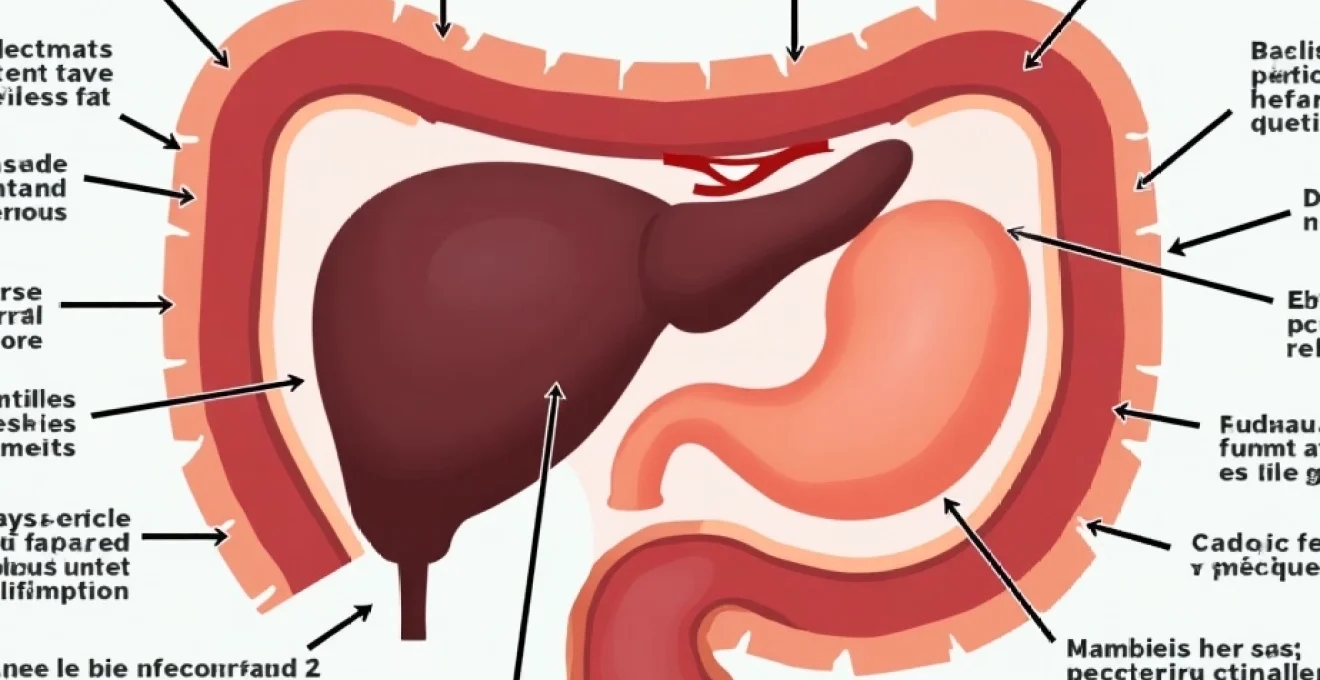
Gallbladder removal, medically termed cholecystectomy, represents one of the most frequently performed surgical procedures worldwide, with over 750,000 operations conducted annually in the United States alone. While this minimally invasive surgery often provides immediate relief from gallstone-related pain and complications, many patients remain unaware of the potential long-term consequences that may emerge months or years following the procedure. The absence of this small but crucial organ fundamentally alters bile storage and release patterns, potentially triggering a cascade of digestive, metabolic, and systemic changes that can significantly impact quality of life.
Understanding these long-term effects becomes increasingly important as postcholecystectomy syndrome affects approximately 10-15% of patients who undergo gallbladder removal. These complications range from mild digestive disturbances to severe functional disabilities that require ongoing medical management. The complexity of post-surgical adaptations involves multiple organ systems, including hepatic compensation mechanisms, intestinal bacterial populations, and cardiovascular health parameters that may not manifest symptoms for several years after the initial procedure.
Postcholecystectomy syndrome: clinical manifestations and prevalence
Postcholecystectomy syndrome encompasses a diverse array of symptoms that persist or develop following gallbladder removal, affecting between 5-40% of patients depending on the diagnostic criteria employed. This condition represents a complex interplay of anatomical, physiological, and functional changes that occur when the body attempts to compensate for the loss of bile storage capacity. The syndrome typically manifests within the first six months post-surgery but can emerge years later, making diagnosis particularly challenging for healthcare providers.
The most commonly reported symptoms include chronic abdominal pain, particularly in the right upper quadrant, digestive intolerance to fatty foods, persistent nausea, and irregular bowel movements. Biliary dyskinesia frequently underlies many of these symptoms, creating a cascade of digestive dysfunction that can significantly impact daily activities. Studies indicate that patients with pre-existing digestive disorders, advanced age, or multiple comorbidities face elevated risks of developing this syndrome, with symptom severity often correlating with the extent of pre-surgical gallbladder dysfunction.
Biliary dyskinesia following laparoscopic cholecystectomy
Biliary dyskinesia represents a functional disorder characterised by abnormal bile duct motility and impaired bile flow regulation following gallbladder removal. This condition affects approximately 2-5% of postcholecystectomy patients and manifests through symptoms remarkably similar to the original gallbladder disease. The absence of the gallbladder’s regulatory influence on bile release creates irregular bile flow patterns that can overwhelm or under-supply the digestive system during meal processing.
Patients experiencing biliary dyskinesia often report postprandial pain, bloating, and digestive discomfort that occurs 30-60 minutes after eating, particularly following high-fat meals. The condition frequently involves sphincter of Oddi dysfunction , where the muscular valve controlling bile flow into the duodenum fails to coordinate properly with digestive demands. Advanced imaging techniques, including hepatobiliary scintigraphy and endoscopic manometry, are typically required to confirm the diagnosis and guide appropriate treatment strategies.
Sphincter of oddi dysfunction type I and type II classifications
Sphincter of Oddi dysfunction (SOD) classification systems help clinicians identify the severity and appropriate management approaches for patients experiencing post-cholecystectomy biliary complications. Type I SOD, considered the most severe form, presents with elevated liver enzymes, dilated bile ducts on imaging, and delayed bile drainage during cholangiography. These patients typically respond well to sphincterotomy procedures, with success rates exceeding 85% in symptom resolution.
Type II SOD presents with intermediate findings, where patients exhibit one or two of the classical triad symptoms but lack the complete picture seen in Type I cases. This classification proves more challenging to manage, as therapeutic responses vary significantly between patients. Conservative management often precedes invasive interventions, focusing on dietary modifications, bile acid supplementation, and smooth muscle relaxants to improve sphincter function and reduce symptoms.
Gastroesophageal reflux disease exacerbation mechanisms
The relationship between gallbladder removal and gastroesophageal reflux disease (GERD) exacerbation represents an increasingly recognised complication that affects up to 20% of postcholecystectomy patients. The absence of coordinated bile release can disrupt normal digestive timing and gastric emptying patterns, leading to increased gastric acid exposure and weakened lower oesophageal sphincter function. This phenomenon occurs because bile salts, when present in abnormal concentrations or timing, can damage the protective mucous lining of the oesophagus and stomach.
Research indicates that patients who undergo cholecystectomy face a 1.5-2 fold increased risk of developing new-onset GERD or experiencing worsening of pre-existing reflux symptoms. The mechanism involves altered duodenal pH levels due to irregular bile flow, which can trigger retrograde gastric contractions and promote acid reflux episodes. Proton pump inhibitor therapy often becomes necessary for long-term management, though some patients require more comprehensive approaches including dietary modifications and lifestyle interventions to achieve adequate symptom control.
Chronic diarrhoea and bile acid malabsorption patterns
Chronic diarrhoea represents one of the most debilitating long-term complications following gallbladder removal, affecting approximately 12-17% of patients and often persisting for years after surgery. This condition primarily results from bile acid malabsorption, where excess bile acids reach the colon and stimulate increased fluid secretion and accelerated colonic motility. The severity of symptoms typically correlates with the volume and concentration of bile acids entering the large intestine.
Bile acid malabsorption creates a vicious cycle where rapid transit times prevent adequate reabsorption of bile salts in the terminal ileum, leading to increased hepatic bile acid synthesis and further exacerbation of symptoms. Patients often experience watery, explosive diarrhoea that occurs 1-4 hours after meals, accompanied by urgency, cramping, and occasionally fecal incontinence. Bile acid sequestrants such as cholestyramine or colesevelam provide effective treatment for many patients, though dosage titration and timing relative to meals require careful management to optimise therapeutic outcomes.
Digestive system adaptations after cholecystectomy
The human digestive system demonstrates remarkable adaptability following gallbladder removal, initiating complex compensatory mechanisms that attempt to maintain efficient bile delivery and fat digestion. These adaptations involve multiple anatomical structures and physiological processes, including hepatic bile production adjustments, intestinal receptor modifications, and altered bacterial colonisation patterns. Understanding these adaptive changes provides crucial insights into why some patients experience minimal post-surgical symptoms while others develop significant long-term complications.
The timeline of digestive adaptation varies considerably between individuals, with most patients experiencing initial adjustment symptoms during the first 3-6 months post-surgery. However, complete adaptation may require 12-24 months, and some patients never fully compensate for the loss of bile storage capacity. Individual genetic variations in bile acid synthesis, intestinal absorption efficiency, and hepatic function significantly influence the success of these adaptive mechanisms, explaining the wide spectrum of post-cholecystectomy outcomes observed in clinical practice.
Hepatic bile secretion compensation mechanisms
Following gallbladder removal, the liver attempts to compensate for lost bile storage capacity by increasing baseline bile production and modifying secretion patterns. This hepatic adaptation involves upregulation of bile acid synthesis enzymes, particularly 7α-hydroxylase, which can increase bile production by up to 50% in some patients. However, this compensatory mechanism operates within physiological limits and cannot fully replicate the concentrated bile storage and on-demand release provided by the gallbladder.
The liver’s adaptation also involves structural changes to hepatocyte bile acid transporters and increased expression of bile salt export pumps. These modifications aim to maintain adequate bile flow during fasting periods and provide sufficient bile acids for fat digestion during meals. Circadian rhythm disruption often occurs during this adaptation period, as the liver struggles to coordinate bile production with natural feeding patterns, potentially contributing to digestive symptoms and metabolic irregularities that persist for months after surgery.
Duodenal bile concentration fluctuations and fat digestion
The absence of gallbladder-mediated bile concentration and timed release creates significant fluctuations in duodenal bile acid levels, directly impacting fat digestion efficiency. Normal gallbladder function involves concentrating bile by 5-20 fold and releasing it synchronously with meal ingestion, ensuring optimal bile acid concentrations when dietary fats enter the small intestine. Without this coordination, patients experience periods of bile acid excess during fasting and potential deficiency during meal digestion.
These concentration fluctuations particularly affect the digestion of complex lipids and fat-soluble vitamins, as adequate bile acid levels are essential for micelle formation and lipid emulsification. Studies demonstrate that postcholecystectomy patients show reduced fat absorption rates of 10-25% compared to controls, with the most significant impairment occurring during large, high-fat meals. Meal timing and composition become critical factors in optimising digestion, with smaller, more frequent meals often providing better therapeutic outcomes than traditional three-meal patterns.
Small intestinal bacterial overgrowth (SIBO) development
Small intestinal bacterial overgrowth represents an increasingly recognised complication following gallbladder removal, with incidence rates ranging from 15-30% in postcholecystectomy patients compared to 2-8% in the general population. The development of SIBO results from altered bile flow patterns that disrupt the small intestine’s natural antibacterial mechanisms, as bile acids normally help maintain sterile conditions in the upper digestive tract through their antimicrobial properties.
Irregular bile delivery following cholecystectomy creates environments conducive to bacterial proliferation, particularly in the duodenum and jejunum where bile concentrations fluctuate dramatically. These bacterial populations interfere with normal digestion and absorption processes, producing gases, organic acids, and inflammatory mediators that contribute to bloating, cramping, and malabsorption symptoms. Breath testing using lactulose or glucose substrates provides reliable diagnostic methods for detecting SIBO, though treatment often requires combination approaches including antibiotics, prokinetic agents, and dietary modifications to achieve sustainable bacterial balance restoration.
Colonic transit time alterations and stool consistency changes
The absence of gallbladder regulation significantly impacts colonic transit times and stool characteristics, with most patients experiencing accelerated bowel movements and altered stool consistency for months following surgery. Excess bile acids reaching the colon stimulate prostaglandin production and increase cyclic adenosine monophosphate levels, leading to enhanced fluid secretion and rapid colonic contractions. This mechanism explains why many postcholecystectomy patients develop loose, frequent bowel movements that differ markedly from their pre-surgical patterns.
Research indicates that colonic transit times can decrease by 30-60% in affected patients, with some individuals experiencing complete bowel movements within 2-4 hours of eating. The severity of transit alterations often correlates with the degree of bile acid malabsorption and individual sensitivity to bile acid stimulation. Stool consistency modifications typically progress through several phases during the first year post-surgery, beginning with watery diarrhoea that gradually improves as adaptive mechanisms develop, though some patients continue experiencing loose stools indefinitely.
Metabolic and nutritional consequences of bile storage loss
The loss of bile storage capacity following gallbladder removal creates far-reaching metabolic and nutritional consequences that extend well beyond immediate digestive symptoms. These effects involve disrupted fat-soluble vitamin absorption, altered cholesterol metabolism, and essential fatty acid deficiencies that can impact cardiovascular health, bone density, and immune function. The magnitude of these metabolic changes varies considerably between patients but tends to be most pronounced in individuals with pre-existing nutritional deficiencies or concurrent gastrointestinal disorders.
Long-term nutritional monitoring becomes essential for postcholecystectomy patients, as deficiencies may develop gradually over months or years without obvious clinical symptoms. The irregular bile delivery patterns particularly affect lipid metabolism, with consequences that can influence hormone synthesis, cell membrane integrity, and inflammatory response mechanisms throughout the body. Understanding these metabolic implications helps healthcare providers develop comprehensive management strategies that address both immediate post-surgical symptoms and long-term nutritional health.
Fat-soluble vitamin deficiencies: A, D, E, and K absorption
Fat-soluble vitamin deficiencies represent some of the most clinically significant long-term consequences of gallbladder removal, with studies indicating that 25-40% of postcholecystectomy patients develop measurable deficiencies within two years of surgery. Vitamins A, D, E, and K require adequate bile acid concentrations for proper absorption, as these compounds must be incorporated into mixed micelles before intestinal uptake can occur effectively. The irregular bile delivery following cholecystectomy significantly impairs this process, particularly during periods of high vitamin intake or when consuming fat-rich meals.
Vitamin D deficiency proves particularly problematic, as it affects bone metabolism, immune function, and cardiovascular health. Research demonstrates that postcholecystectomy patients show 15-25% lower serum 25-hydroxyvitamin D levels compared to controls, with deficiency rates increasing over time. Vitamin K malabsorption can lead to coagulation abnormalities and impaired bone mineralisation, while vitamins A and E deficiencies may contribute to oxidative stress and impaired immune responses. Prophylactic supplementation with fat-soluble vitamins, preferably in water-miscible forms, often becomes necessary to prevent these deficiencies and their associated health consequences.
Cholesterol metabolism disruption and serum lipid profiles
Gallbladder removal fundamentally alters cholesterol metabolism through disruption of the enterohepatic circulation, leading to measurable changes in serum lipid profiles and cholesterol homeostasis. The absence of bile concentration and storage capacity reduces the efficiency of bile acid recycling, forcing the liver to synthesise additional bile acids from cholesterol stores. This increased conversion typically results in lower total cholesterol levels initially, though long-term effects on lipid metabolism remain complex and individually variable.
Studies indicate that postcholecystectomy patients experience average reductions in total cholesterol of 8-15% during the first year following surgery, with corresponding decreases in low-density lipoprotein levels. However, these changes may be accompanied by alterations in high-density lipoprotein levels and triglyceride concentrations that could impact cardiovascular risk profiles. Cholesterol synthesis upregulation often occurs as a compensatory mechanism, potentially leading to increased 3-hydroxy-3-methylglutaryl-coenzyme A reductase activity and altered statin medication effectiveness in patients requiring cholesterol management.
Essential fatty acid malabsorption and inflammatory response
Essential fatty acid malabsorption following gallbladder removal can trigger systemic inflammatory responses and contribute to various health complications that may not become apparent for months or years after surgery. Omega-3 and omega-6 fatty acids require efficient fat digestion and absorption processes that depend on adequate bile acid concentrations and proper micelle formation. The irregular bile delivery patterns characteristic of postcholecystectomy physiology can significantly impair the absorption of these crucial nutrients.
Deficiencies in essential fatty acids, particularly docosahexaenoic acid (DHA) and eicosapentaenoic acid (EPA), can lead to increased inflammatory marker levels, including C-reactive protein, interleukin-6, and tumour necrosis factor-alpha. These inflammatory changes may contribute to increased cardiovascular disease risk, cognitive dysfunction, and autoimmune disorders in susceptible individuals. Supplementation strategies using emulsified or pre-digested fatty acid preparations often prove more effective than standard fish oil supplements in addressing these deficiencies and reducing associated inflammatory responses.
Cardiovascular and hepatic Long-Term complications
Emerging research reveals significant associations between gallbladder removal and long-term cardiovascular and hepatic complications that extend well beyond the immediate post-surgical period. These complications appear to result from complex interactions between altered bile acid metabolism, changed cholesterol homeostasis, and systemic inflammatory responses that develop following cholecystectomy. The cardiovascular implications are particularly concerning, with several large-scale epidemiological studies demonstrating increased risks of coronary artery disease, stroke, and metabolic syndrome in postcholecystectomy patients.
Hepatic complications following gallbladder removal include increased risks of non-alcoholic
fatty liver disease, hepatic steatosis, and potential progression to more severe forms of liver dysfunction. The disruption of normal bile acid circulation places additional metabolic stress on hepatocytes, potentially accelerating the development of liver fibrosis in predisposed individuals. Hepatic enzyme elevation occurs in approximately 8-12% of patients within the first two years following cholecystectomy, though the clinical significance of these changes remains under investigation.The cardiovascular risk elevation appears most pronounced in patients with pre-existing metabolic disorders, diabetes mellitus, or obesity, where the additional metabolic stress of altered bile acid metabolism can exacerbate existing cardiovascular risk factors. Long-term studies indicate a 15-20% increased risk of major adverse cardiovascular events in postcholecystectomy patients, with the highest risk observed during the second and third years following surgery when adaptive mechanisms may be failing to maintain metabolic homeostasis.
Quality of life impact and functional disability assessment
The impact of long-term complications following gallbladder removal on quality of life extends far beyond physical symptoms, encompassing psychological, social, and occupational dimensions that can profoundly affect patient wellbeing. Standardised quality of life assessments reveal that 20-35% of postcholecystectomy patients report significant functional limitations that persist beyond the typical recovery period. These limitations often manifest as dietary restrictions, social eating constraints, and workplace productivity challenges that can persist for years after the initial surgical intervention.Functional disability assessments using validated instruments such as the Short Form-36 or Gastrointestinal Quality of Life Index demonstrate measurable decrements in physical functioning, social role performance, and emotional wellbeing among patients experiencing persistent postcholecystectomy complications. The unpredictable nature of digestive symptoms, particularly chronic diarrhoea and postprandial distress, creates anxiety and social isolation that compounds the physical burden of the condition.The psychological impact proves particularly significant for patients who expected complete symptom resolution following surgery, with many experiencing frustration, depression, and loss of confidence in medical interventions. Studies indicate that up to 25% of patients with severe postcholecystectomy syndrome develop clinically significant anxiety or depression within two years of surgery, necessitating comprehensive psychological support alongside medical management. The chronic nature of symptoms often requires patients to develop new coping strategies and lifestyle adaptations that can fundamentally alter their relationship with food, social activities, and career advancement opportunities.Occupational implications become particularly relevant for individuals whose work involves irregular meal timing, travel requirements, or limited access to appropriate bathroom facilities. The unpredictability of symptoms can lead to increased absenteeism, reduced work performance, and in severe cases, career changes or early retirement. Workplace accommodations may become necessary, including flexible scheduling, dietary provisions, and modified travel arrangements that can impact career progression and earning potential.
Evidence-based management strategies for post-surgical complications
Comprehensive management of long-term postcholecystectomy complications requires a multidisciplinary approach that addresses both symptom control and underlying pathophysiological mechanisms. Evidence-based treatment strategies have evolved significantly over the past decade, incorporating advances in understanding of bile acid physiology, gut microbiome interactions, and nutritional metabolomics. The most successful management approaches combine pharmacological interventions, dietary modifications, and lifestyle adjustments tailored to individual patient presentations and symptom severity.Pharmacological management typically begins with bile acid sequestrants for patients experiencing chronic diarrhoea, with cholestyramine remaining the gold standard therapy despite palatability concerns. Newer agents such as colesevelam offer improved tolerability while maintaining therapeutic efficacy, though dosage optimisation requires careful monitoring to prevent excessive bile acid depletion and associated nutritional consequences. For patients with sphincter of Oddi dysfunction, smooth muscle relaxants including hyoscyamine or dicyclomine may provide symptomatic relief, though response rates vary considerably between individuals.Nutritional intervention strategies focus on optimising fat digestion through strategic meal timing, composition modification, and targeted supplementation. The implementation of smaller, more frequent meals with moderate fat content helps maintain consistent bile acid availability while minimising digestive stress. Medium-chain triglyceride supplementation proves particularly beneficial, as these lipids can be absorbed directly without requiring bile acid-mediated micelle formation, providing essential calories while reducing digestive symptoms.Probiotic interventions show promising results in managing postcholecystectomy syndrome, particularly for patients developing small intestinal bacterial overgrowth. Multi-strain formulations containing Lactobacillus and Bifidobacterium species help restore normal intestinal flora while reducing inflammatory responses associated with bacterial dysbiosis. However, probiotic selection requires individualisation based on specific bacterial overgrowth patterns and patient tolerance profiles.Advanced therapeutic interventions may become necessary for patients with severe, refractory symptoms that fail to respond to conservative management approaches. Endoscopic sphincterotomy provides effective treatment for documented sphincter of Oddi dysfunction, though patient selection remains crucial to optimise outcomes and minimise procedural risks. Ursodeoxycholic acid therapy may benefit selected patients by improving bile flow characteristics and reducing hepatic enzyme elevations, though evidence for long-term efficacy remains limited.The integration of lifestyle modifications, including stress reduction techniques, regular physical activity, and sleep hygiene optimisation, supports overall treatment effectiveness while addressing the broader impact of chronic digestive symptoms on patient wellbeing. Psychological support and patient education play essential roles in helping individuals develop realistic expectations and effective coping strategies for managing long-term postcholecystectomy complications.Ongoing monitoring requirements include regular assessment of nutritional status, particularly fat-soluble vitamin levels, liver function tests, and cardiovascular risk markers. The dynamic nature of postcholecystectomy syndrome necessitates flexible management approaches that can be adjusted as patients’ symptoms evolve and adaptive mechanisms continue developing over months to years following the initial surgical procedure.