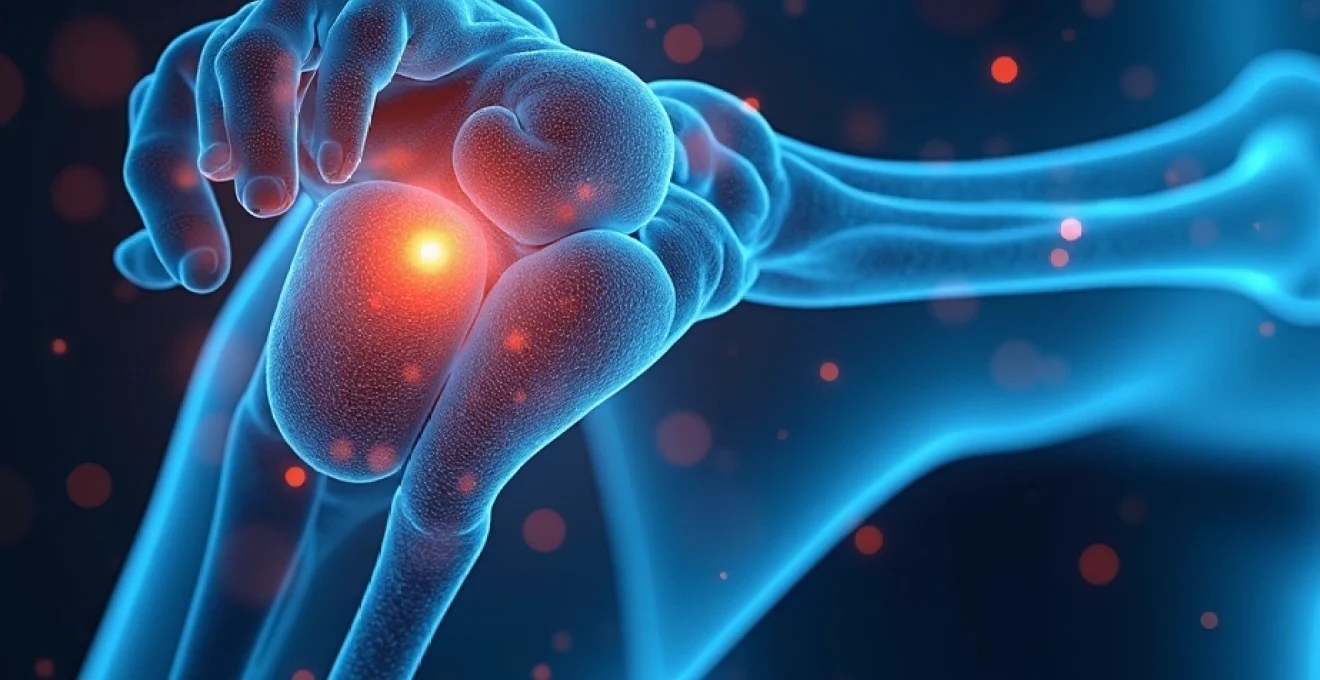
Sports traumatology has undergone a remarkable transformation in recent years, driven by cutting-edge innovations that are revolutionizing how athletes’ injuries are diagnosed, treated, and prevented. These advancements have significantly improved recovery times, enhanced performance outcomes, and extended athletic careers. From sophisticated imaging technologies to regenerative medicine approaches, the field of sports medicine is evolving at an unprecedented pace. This evolution is not only benefiting elite athletes but also trickling down to amateur sports enthusiasts, changing the landscape of sports participation and rehabilitation.
Advanced imaging technologies in sports injury diagnosis
The cornerstone of effective sports injury management lies in accurate and timely diagnosis. Modern imaging technologies have dramatically enhanced our ability to visualize and assess sports-related injuries with unprecedented detail and precision. These advancements allow sports medicine professionals to make more informed decisions about treatment strategies and return-to-play timelines.
High-resolution 3T MRI for ligament and tendon assessment
High-resolution 3T MRI scanners have revolutionized the assessment of ligament and tendon injuries in athletes. These powerful machines provide exquisitely detailed images of soft tissue structures, allowing for the detection of even subtle tears or strains that might be missed by conventional imaging techniques. The superior resolution of 3T MRI enables sports medicine specialists to differentiate between partial and complete tears, assess the extent of tendon degeneration, and identify associated injuries that could complicate recovery.
For instance, in cases of suspected anterior cruciate ligament (ACL) injuries, 3T MRI can reveal not only the state of the ligament itself but also any meniscal tears, bone bruises, or cartilage damage that often accompany such injuries. This comprehensive assessment is crucial for developing tailored treatment plans and predicting recovery timelines more accurately.
Dynamic ultrasound techniques for real-time evaluation
Dynamic ultrasound has emerged as an invaluable tool in sports traumatology, offering real-time visualization of musculoskeletal structures during movement. This technique allows clinicians to assess the functionality of tendons, ligaments, and muscles as they are actively used, providing insights that static imaging cannot capture. Dynamic ultrasound is particularly useful in diagnosing conditions such as tendinopathies , muscle strains, and joint instabilities.
One of the key advantages of dynamic ultrasound is its ability to guide interventional procedures. For example, when administering platelet-rich plasma (PRP) injections for tendon injuries, ultrasound guidance ensures precise delivery of the therapeutic substance to the target area, maximizing its potential benefits.
PET-CT fusion imaging for metabolic activity analysis
PET-CT fusion imaging represents a significant leap forward in sports injury assessment by combining anatomical detail with metabolic information. This hybrid technique is particularly valuable in evaluating complex injuries where inflammation or altered tissue metabolism plays a crucial role. By detecting areas of increased metabolic activity, PET-CT can identify regions of active healing, persistent inflammation, or early signs of stress injuries before they become apparent on conventional imaging.
In sports medicine, PET-CT has proven especially useful in assessing conditions such as stress fractures, overuse injuries, and complex regional pain syndrome (CRPS). The ability to visualize both structure and function in a single exam provides a more comprehensive understanding of the injury, guiding more targeted and effective treatment strategies.
Regenerative medicine approaches in sports traumatology
Regenerative medicine has opened up new frontiers in sports injury treatment, offering the potential to accelerate healing and improve long-term outcomes. These innovative therapies harness the body’s own regenerative capabilities to repair damaged tissues and restore function more effectively than traditional treatments alone.
Platelet-rich plasma (PRP) therapy for tendinopathies
Platelet-Rich Plasma (PRP) therapy has gained significant traction in treating tendinopathies and other soft tissue injuries in athletes. This technique involves concentrating platelets from the athlete’s own blood and injecting them into the injured area. The growth factors and bioactive proteins released by the platelets stimulate tissue repair and regeneration, potentially accelerating the healing process.
PRP has shown promising results in treating conditions such as tennis elbow, jumper’s knee, and Achilles tendinopathy. While the evidence is still evolving, many athletes report faster recovery times and improved function following PRP treatment. The non-invasive nature of PRP and its potential to reduce the need for surgery make it an attractive option for both athletes and sports medicine practitioners.
Autologous chondrocyte implantation (ACI) for cartilage repair
Cartilage injuries can be particularly challenging in athletes, often leading to long-term joint problems if not addressed effectively. Autologous Chondrocyte Implantation (ACI) represents a significant advancement in cartilage repair techniques. This two-stage procedure involves harvesting healthy cartilage cells from the athlete, expanding them in a laboratory, and then implanting them back into the damaged area.
ACI has shown impressive results in repairing focal cartilage defects, particularly in the knee joint. Athletes undergoing this procedure often experience significant improvement in joint function and a reduction in pain. Moreover, the regenerated cartilage appears to have better durability compared to traditional repair techniques, potentially extending the longevity of athletic careers.
Stem cell treatments for ligament and muscle injuries
Stem cell therapy is at the forefront of regenerative medicine in sports traumatology. By harnessing the unique ability of stem cells to differentiate into various tissue types, this treatment approach holds promise for repairing a wide range of sports injuries, from ligament tears to muscle strains. Mesenchymal stem cells, often derived from the athlete’s own bone marrow or adipose tissue, are typically used in these treatments.
While still considered experimental in many contexts, stem cell treatments have shown encouraging results in accelerating healing and improving tissue quality in injuries such as partial ligament tears and chronic muscle strains. The potential of stem cells to promote tissue regeneration rather than just repair could lead to more complete recovery and reduced risk of re-injury.
Growth factor-based therapies for accelerated healing
Growth factor-based therapies represent another innovative approach in sports medicine, aimed at enhancing the body’s natural healing processes. These treatments involve the application of specific growth factors, either in isolation or in combination, to promote tissue repair and regeneration. Growth factors such as IGF-1, TGF-β, and bFGF play crucial roles in stimulating cell proliferation, angiogenesis, and matrix synthesis.
In sports traumatology, growth factor therapies are being explored for a variety of applications, including accelerating ligament healing after reconstructive surgery and enhancing muscle recovery following severe strains. The targeted nature of these treatments offers the potential for more efficient and effective healing compared to traditional approaches.
Minimally invasive surgical techniques
The field of sports traumatology has witnessed a significant shift towards minimally invasive surgical techniques. These approaches offer numerous advantages over traditional open surgery, including reduced tissue trauma, faster recovery times, and lower risk of complications. For athletes, where rapid return to play is often a priority, minimally invasive procedures can be particularly beneficial.
Arthroscopic procedures for joint injuries
Arthroscopic surgery has revolutionized the treatment of joint injuries in athletes. This technique allows surgeons to visualize and treat intra-articular problems through small incisions, using a camera and specialized instruments. Arthroscopy is widely used for procedures such as meniscus repair, ligament reconstruction, and cartilage debridement.
The benefits of arthroscopic procedures are numerous. Athletes experience less post-operative pain, reduced scarring, and faster rehabilitation compared to open surgery. For instance, arthroscopic ACL reconstruction typically allows for earlier weight-bearing and range of motion exercises, potentially accelerating the return to sport. Moreover, the improved visualization offered by arthroscopy enables surgeons to perform more precise and less invasive repairs, preserving healthy tissue and optimizing long-term joint function.
Endoscopic repair of sports hernias
Sports hernias, or athletic pubalgia, can be a significant source of groin pain and disability in athletes. Endoscopic repair techniques have emerged as an effective and less invasive alternative to traditional open surgery for these conditions. Using small incisions and specialized endoscopic instruments, surgeons can repair torn or weakened abdominal and pelvic floor muscles with minimal disruption to surrounding tissues.
The endoscopic approach offers several advantages for athletes. Recovery times are typically shorter, with many patients able to return to light activities within weeks of the procedure. The reduced tissue trauma also means less post-operative pain and a lower risk of complications such as infection or nerve injury. For athletes in sports that place high demands on the core and pelvic region, such as soccer or hockey, endoscopic hernia repair can provide a faster and more reliable return to competition.
Percutaneous tenotomy for chronic tendinopathies
Chronic tendinopathies can be notoriously difficult to treat, often resisting conservative measures and significantly impacting an athlete’s performance. Percutaneous tenotomy has emerged as a minimally invasive option for addressing these persistent conditions. This technique involves using a small needle or specialized instrument to create controlled microtrauma in the affected tendon, stimulating a healing response.
Percutaneous tenotomy offers several advantages over open surgical procedures. It can be performed under local anesthesia, often on an outpatient basis, and requires minimal recovery time. For conditions such as tennis elbow or patellar tendinopathy, this technique has shown promising results in reducing pain and improving function. Athletes often appreciate the quick recovery and low risk profile of percutaneous tenotomy, particularly when other treatments have failed to provide relief.
Biomechanical analysis and injury prevention technologies
Prevention is increasingly recognized as a crucial aspect of sports traumatology. Advanced biomechanical analysis and injury prevention technologies are playing a pivotal role in identifying risk factors and developing strategies to reduce the incidence of sports-related injuries. These innovative approaches combine cutting-edge technology with deep insights into human movement and physiology.
3D motion capture systems for gait analysis
3D motion capture systems have revolutionized the way sports medicine professionals analyze an athlete’s movement patterns. These sophisticated systems use multiple cameras and sensors to create a detailed, three-dimensional model of an athlete’s body in motion. This technology allows for precise measurement of joint angles, velocities, and accelerations during various sports-specific movements.
In sports traumatology, 3D motion capture is invaluable for identifying biomechanical abnormalities that may predispose an athlete to injury. For example, in runners, this technology can detect subtle imbalances in gait that could lead to overuse injuries. In team sports, motion capture can analyze jumping and landing mechanics to assess the risk of ACL injuries. By identifying these risk factors, sports medicine professionals can develop targeted interventions, such as specific strengthening exercises or technique modifications, to reduce injury risk.
Wearable sensors for real-time performance monitoring
Wearable sensor technology has become increasingly sophisticated, offering real-time monitoring of various physiological and biomechanical parameters during training and competition. These devices can track metrics such as heart rate, muscle activation patterns, impact forces, and joint loads, providing a comprehensive picture of an athlete’s physical status and performance.
In the context of injury prevention, wearable sensors offer several key benefits. They can alert coaches and medical staff to signs of fatigue or overexertion, allowing for timely interventions to prevent overuse injuries. Some advanced systems can even detect changes in movement patterns that may indicate an increased risk of acute injury, such as altered landing mechanics that could predispose an athlete to an ACL tear. By providing continuous, objective data, wearable sensors enable more informed decision-making about training loads and recovery strategies.
Virtual reality simulations for injury risk assessment
Virtual reality (VR) technology is emerging as a powerful tool for injury risk assessment and prevention in sports. VR simulations can create immersive, sport-specific environments that allow for the assessment of an athlete’s decision-making and movement patterns under realistic conditions. This technology is particularly valuable for evaluating cognitive and neuromuscular factors that contribute to injury risk.
For example, VR simulations can be used to assess an athlete’s reaction times and decision-making in high-pressure situations, factors that can significantly impact injury risk in fast-paced sports. In rehabilitation settings, VR can provide safe, controlled environments for athletes to practice sport-specific movements and cognitive tasks as they progress towards return to play. The ability to manipulate scenarios and difficulty levels in VR allows for precise tailoring of assessment and training protocols to an individual athlete’s needs and capabilities.
Novel rehabilitation protocols and equipment
Rehabilitation is a critical component of sports traumatology, often determining the success of an athlete’s recovery and return to competition. Modern rehabilitation approaches incorporate innovative protocols and specialized equipment designed to optimize recovery, enhance functional outcomes, and reduce the risk of re-injury.
Anti-gravity treadmills for controlled weight-bearing exercises
Anti-gravity treadmills represent a significant advancement in rehabilitation technology, allowing athletes to begin weight-bearing exercises earlier in their recovery process. These specialized treadmills use a pressurized air chamber to reduce the effective body weight of the user, allowing for precise control of the load placed on the lower extremities during walking or running.
For athletes recovering from lower limb injuries or surgeries, anti-gravity treadmills offer several benefits. They allow for earlier initiation of gait training and cardiovascular conditioning while minimizing stress on healing tissues. The ability to gradually increase weight-bearing as healing progresses enables a more controlled and individualized approach to rehabilitation. This technology has proven particularly valuable in accelerating return to sport following injuries such as stress fractures, ankle sprains, and knee surgeries.
Neuromuscular electrical stimulation (NMES) for muscle activation
Neuromuscular Electrical Stimulation (NMES) has emerged as a powerful tool in sports rehabilitation, particularly for addressing muscle atrophy and re-educating neuromuscular patterns following injury or surgery. NMES devices deliver controlled electrical impulses to targeted muscle groups, causing them to contract. This technology can be used to maintain muscle strength and prevent atrophy during periods of immobilization, as well as to facilitate muscle activation during early stages of rehabilitation.
In sports traumatology, NMES has shown particular efficacy in treating conditions such as quadriceps weakness following knee surgery. By promoting muscle activation and strengthening, NMES can help athletes regain functional strength more quickly, potentially accelerating their return to sport. Additionally, the use of NMES in combination with voluntary exercises has been shown to enhance muscle strength gains compared to exercise alone, making it a valuable adjunct to traditional rehabilitation protocols.
Eccentric training devices for tendon strengthening
Eccentric training has gained recognition as a highly effective approach for treating and preventing tendinopathies in athletes. Specialized eccentric training devices have been developed to optimize this form of exercise, allowing for precise control of load and speed during the eccentric phase of muscle contraction. These devices typically use various forms of resistance, such as flywheels or motorized systems, to create controlled eccentric overload.
For conditions such as Achilles tendinopathy or patellar tendinosis, eccentric training devices enable the implementation of high-load, low-velocity exercises that have been shown to stimulate tendon remodeling and improve functional outcomes. The ability to quantify and progressively increase the eccentric load allows for more targeted and efficient rehabilitation programs. Moreover, the incorporation of sport-specific movement patterns in eccentric training can enhance the transfer of strength gains to athletic performance, facilitating a safer and more effective return to competition.
Artificial intelligence in sports injury management
Artificial Intelligence (AI) is rapidly transforming the landscape of sports traumatology, offering unprecedented capabilities in injury prediction, diagnosis, and treatment planning. By leveraging vast amounts of data and complex algorithms, AI technologies are enhancing decision-making processes and personalizing care for athletes.
Machine learning algorithms for injury prediction
Machine learning algorithms are revolutionizing injury prediction in sports by analyzing complex patterns in athlete data to identify risk factors and predict potential injuries before they occur. These algorithms can process vast amounts of information, including training loads, performance metrics, biomechanical data, and physiological parameters, to create sophisticated predictive models.
For example, some sports teams are now using AI-powered systems that integrate data from wearable sensors, training logs, and medical records to assess an athlete’s injury risk in real-time. These systems can alert coaching and medical staff to early warning signs, such as
subtle changes in movement patterns or increases in training load that may indicate an elevated risk of injury. By identifying these risk factors early, teams can implement targeted interventions, such as modifying training regimens or providing additional recovery time, to prevent injuries before they occur.
In individual sports, machine learning algorithms are being used to analyze an athlete’s technique and biomechanics to identify potential injury risks. For instance, in tennis, AI systems can analyze serving motions to detect subtle changes that might lead to shoulder or elbow injuries, allowing coaches and medical staff to address these issues proactively.
Ai-assisted diagnosis and treatment planning
AI is increasingly being integrated into the diagnostic process in sports traumatology, enhancing the speed and accuracy of injury assessment. Advanced image recognition algorithms can analyze medical imaging studies, such as MRIs or X-rays, to detect abnormalities and assist radiologists in making more precise diagnoses.
For example, AI systems have been developed to automatically detect and classify knee injuries from MRI scans, potentially reducing diagnostic errors and improving the consistency of assessments. These systems can quickly highlight areas of concern, allowing sports medicine professionals to focus their attention on the most critical aspects of the image.
In treatment planning, AI algorithms can analyze vast databases of patient outcomes to recommend personalized treatment strategies. By considering factors such as the athlete’s age, injury history, sport, and performance level, these systems can suggest rehabilitation protocols or surgical approaches that have been most effective for similar cases in the past. This data-driven approach helps optimize treatment decisions and can lead to improved outcomes for athletes.
Deep learning analysis of medical imaging data
Deep learning, a subset of AI, is particularly well-suited to analyzing complex medical imaging data. In sports traumatology, deep learning algorithms are being applied to various imaging modalities to extract insights that may not be apparent to the human eye.
For instance, deep learning models have been developed to analyze MRI scans of muscle injuries, providing detailed assessments of injury severity and predicting recovery timelines. These models can detect subtle patterns in tissue structure and composition that correlate with healing rates, allowing for more precise prognostication and tailored rehabilitation plans.
Another application of deep learning in sports medicine is the analysis of longitudinal imaging data to track healing progress over time. By comparing sequential scans, AI systems can quantify changes in tissue structure and composition, providing objective measures of recovery that can guide return-to-play decisions.
As these AI technologies continue to evolve, they promise to revolutionize sports injury management, offering unprecedented insights into injury risk, diagnosis, and treatment. However, it’s important to note that while AI can be a powerful tool, it should complement rather than replace the expertise of sports medicine professionals. The integration of AI into clinical practice requires careful validation and ongoing evaluation to ensure its effectiveness and safety in real-world settings.