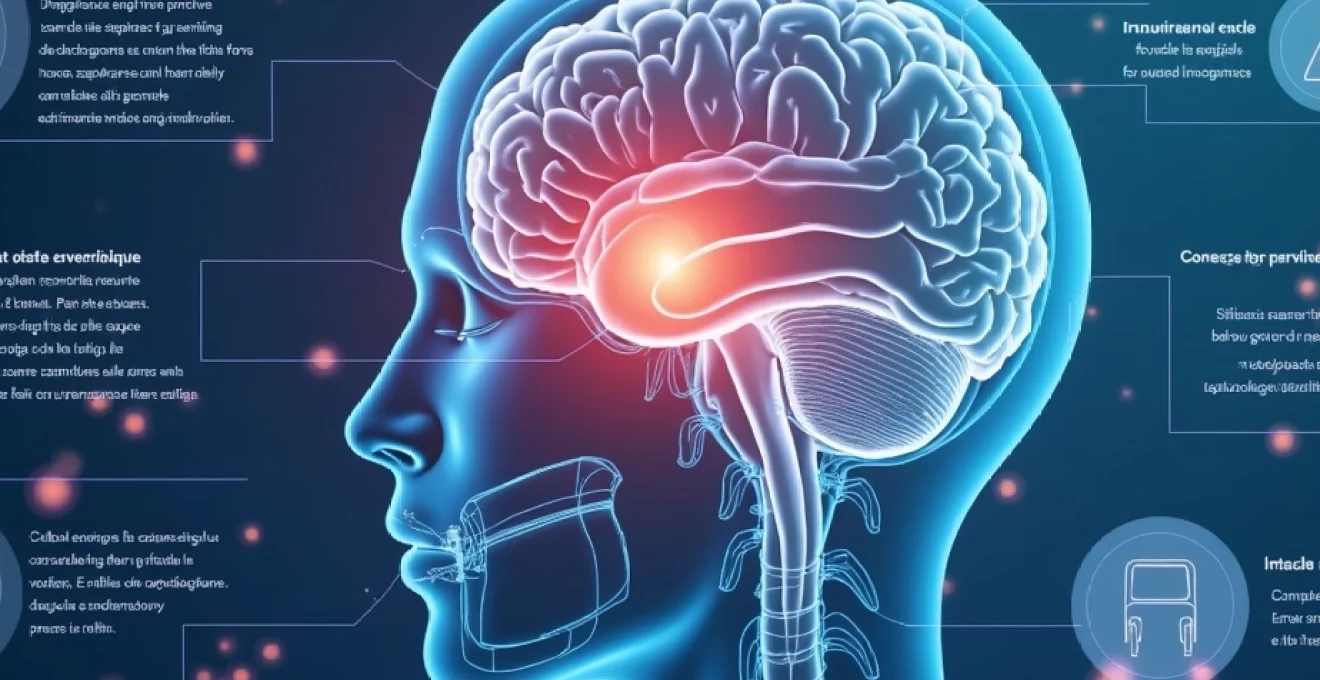
Recognising and responding to worsening symptoms is crucial for maintaining optimal health and preventing serious complications. As our bodies change and adapt to various conditions, it’s essential to remain vigilant and proactive in managing our well-being. Ignoring the progression of symptoms can lead to missed opportunities for early intervention, potentially resulting in more severe health outcomes and reduced quality of life.
Understanding the intricate relationship between symptom progression and underlying health conditions empowers individuals to take control of their health journey. By developing awareness of subtle changes and seeking timely medical attention, you can significantly improve your chances of successful treatment and long-term wellness.
Pathophysiology of symptom progression in chronic diseases
Chronic diseases often follow a complex trajectory of symptom progression, characterised by gradual changes in physiological function and cellular processes. This progression is typically marked by a series of interconnected events that can lead to worsening symptoms if left unchecked.
At the cellular level, chronic diseases often involve ongoing inflammation, oxidative stress, and alterations in gene expression. These processes can result in tissue damage, organ dysfunction, and systemic effects that manifest as worsening symptoms. For example, in autoimmune disorders, the persistent activation of the immune system leads to progressive damage to target tissues, resulting in increasingly severe symptoms over time.
Understanding the pathophysiology of symptom progression is crucial for both patients and healthcare providers. It allows for more targeted interventions and helps in developing strategies to slow or halt disease progression. By recognising the underlying mechanisms driving symptom worsening, healthcare professionals can tailor treatments to address specific pathways and potentially reverse or mitigate the progression of the disease.
Early warning signs and biomarkers of worsening conditions
Identifying early warning signs and biomarkers of worsening conditions is paramount in managing chronic diseases effectively. These indicators serve as valuable tools for both patients and healthcare providers, allowing for timely intervention and adjustment of treatment plans. By monitoring specific biomarkers and recognising subtle changes in symptoms, it’s possible to detect disease progression before it leads to significant complications.
Inflammatory markers: C-Reactive protein and erythrocyte sedimentation rate
Inflammatory markers play a crucial role in monitoring the progression of various chronic conditions. C-Reactive Protein (CRP) and Erythrocyte Sedimentation Rate (ESR) are two commonly used biomarkers that provide valuable insights into systemic inflammation. Elevated levels of these markers can indicate worsening inflammation in conditions such as rheumatoid arthritis, inflammatory bowel disease, and cardiovascular disorders.
Regular monitoring of CRP and ESR levels can help healthcare providers assess disease activity and adjust treatment strategies accordingly. For instance, a sudden spike in CRP levels in a patient with rheumatoid arthritis may signal an impending flare-up, prompting early intervention to prevent further joint damage.
Neurological indicators: cognitive decline and motor function changes
In neurological conditions, early detection of cognitive decline and changes in motor function is crucial for timely intervention. Subtle alterations in memory, concentration, or fine motor skills can serve as early warning signs of disease progression in conditions such as Alzheimer’s disease, Parkinson’s disease, and multiple sclerosis.
Regular cognitive assessments and monitoring of motor function can help identify these changes early on. For example, a decline in performance on memory tests or increased difficulty with tasks requiring fine motor control may indicate the need for further evaluation and potential adjustment of treatment strategies.
Cardiovascular red flags: blood pressure fluctuations and arrhythmias
Cardiovascular health is closely tied to overall well-being, and monitoring key indicators can provide valuable insights into disease progression. Blood pressure fluctuations and the development of arrhythmias are important red flags that should never be ignored.
Consistent elevations in blood pressure or the onset of irregular heart rhythms can signal worsening cardiovascular health. These changes may indicate progression of underlying conditions such as hypertension or heart disease. Regular monitoring of blood pressure and heart rhythm, both at home and during medical check-ups, can help detect these changes early and prompt necessary interventions.
Metabolic shifts: HbA1c levels and insulin resistance
Metabolic health is a critical aspect of overall well-being, and monitoring key indicators can provide valuable insights into disease progression. HbA1c levels and insulin resistance are important markers that should be closely monitored, especially in individuals with or at risk for diabetes.
An upward trend in HbA1c levels or increasing insulin resistance can signal worsening glycaemic control and potential progression of diabetes. Regular monitoring of these markers allows for early detection of metabolic shifts and timely adjustments to treatment plans, potentially preventing complications associated with poorly controlled diabetes.
Consequences of delayed medical intervention
Ignoring worsening symptoms and delaying medical intervention can have serious consequences across a wide range of health conditions. The progressive nature of many chronic diseases means that early intervention is often crucial for preventing irreversible damage and maintaining quality of life.
Irreversible tissue damage in autoimmune disorders
In autoimmune disorders, such as rheumatoid arthritis or lupus, delayed treatment can lead to irreversible tissue damage. The persistent inflammatory response characteristic of these conditions can cause progressive joint destruction, organ damage, and systemic complications if left unchecked.
For example, in rheumatoid arthritis, joint erosion can occur rapidly in the early stages of the disease. Delaying treatment during this critical period can result in permanent joint deformities and loss of function. Early intervention with disease-modifying antirheumatic drugs (DMARDs) has been shown to significantly slow disease progression and prevent long-term disability.
Metastasis risk in untreated cancers
One of the most critical consequences of ignoring worsening symptoms in cancer is the increased risk of metastasis. As cancer progresses, the likelihood of tumour cells spreading to other parts of the body increases significantly. This process of metastasis can transform a localised, potentially curable cancer into a systemic, life-threatening condition.
Early detection and treatment of cancer are vital for improving outcomes and survival rates. For instance, breast cancer detected at an early stage has a five-year survival rate of over 90%, compared to less than 30% for metastatic breast cancer. Ignoring symptoms such as persistent lumps, unexplained weight loss, or changes in skin appearance can lead to delayed diagnosis and reduced treatment options.
Complications of unmanaged diabetes: neuropathy and retinopathy
Diabetes is a prime example of a condition where ignoring worsening symptoms can lead to severe complications. Uncontrolled blood sugar levels over time can result in diabetic neuropathy and retinopathy, both of which can have devastating effects on quality of life.
Diabetic neuropathy, characterised by nerve damage, can cause chronic pain, loss of sensation, and increased risk of infections, particularly in the feet. Diabetic retinopathy, on the other hand, affects the blood vessels in the retina and is a leading cause of blindness in adults. Both of these complications can be prevented or their progression slowed with proper diabetes management and regular monitoring.
Cardiovascular events from progressing hypertension
Hypertension, often called the « silent killer, » can lead to serious cardiovascular events if left untreated. Ignoring symptoms of high blood pressure or failing to monitor blood pressure regularly can result in a range of complications, including heart attacks, strokes, and heart failure.
The progressive nature of hypertension means that over time, it can cause significant damage to blood vessels and organs. For example, untreated hypertension can lead to left ventricular hypertrophy, a condition where the heart’s main pumping chamber becomes enlarged and less efficient. This increases the risk of heart failure and other cardiovascular complications.
Advanced diagnostic techniques for symptom assessment
As medical technology advances, new and sophisticated diagnostic techniques are emerging to assess symptom progression more accurately. These advanced methods allow for earlier detection of disease progression and more precise monitoring of treatment efficacy.
High-resolution imaging: PET-CT and 7 tesla MRI applications
High-resolution imaging techniques such as PET-CT (Positron Emission Tomography-Computed Tomography) and 7 Tesla MRI (Magnetic Resonance Imaging) are revolutionising the way we visualise and assess disease progression. These advanced imaging modalities provide unprecedented detail and sensitivity, allowing for detection of subtle changes that may not be apparent with conventional imaging techniques.
PET-CT combines functional and anatomical imaging, making it particularly useful in oncology for detecting small metastases and assessing treatment response. 7 Tesla MRI, with its ultra-high field strength, offers superior resolution for neurological imaging, enabling early detection of subtle brain changes in conditions like multiple sclerosis or Alzheimer’s disease.
Genetic profiling for disease progression prediction
Genetic profiling is increasingly being used to predict disease progression and personalise treatment approaches. By analysing an individual’s genetic makeup, healthcare providers can identify specific genetic markers associated with increased risk of disease progression or treatment resistance.
For example, in oncology, genetic profiling of tumours can help predict the likelihood of cancer recurrence or metastasis, allowing for more tailored treatment strategies. In neurodegenerative diseases like Parkinson’s, genetic testing can identify variants associated with more rapid disease progression, enabling early intervention and more aggressive management.
Artificial intelligence in symptom pattern recognition
Artificial Intelligence (AI) is emerging as a powerful tool in recognising complex symptom patterns and predicting disease progression. Machine learning algorithms can analyse vast amounts of patient data, including symptoms, biomarkers, and imaging results, to identify subtle patterns that may not be apparent to human observers.
AI-powered systems can help healthcare providers make more accurate diagnoses and predict disease trajectories. For instance, AI algorithms have shown promise in predicting the onset of Alzheimer’s disease years before clinical symptoms appear, based on subtle changes in brain imaging and cognitive test results.
Wearable technology for continuous health monitoring
Wearable technology is revolutionising the way we monitor health and detect symptom progression. Devices such as smartwatches, fitness trackers, and continuous glucose monitors provide real-time data on various health parameters, allowing for early detection of concerning trends.
For example, wearable ECG monitors can detect atrial fibrillation, a common heart rhythm disorder, before it causes noticeable symptoms. Continuous glucose monitors provide detailed information on blood sugar trends, enabling more precise diabetes management and early detection of worsening glycaemic control.
Evidence-based approaches to symptom management
Effectively managing worsening symptoms requires a comprehensive, evidence-based approach. This involves not only addressing the symptoms themselves but also targeting the underlying causes and preventing further progression. Evidence-based symptom management strategies typically incorporate a combination of pharmacological interventions, lifestyle modifications, and complementary therapies.
One key aspect of evidence-based symptom management is regular assessment and monitoring. This allows healthcare providers to track the effectiveness of interventions and make timely adjustments to treatment plans. For chronic conditions, such as rheumatoid arthritis or multiple sclerosis, the use of validated disease activity scores helps quantify symptom severity and guide treatment decisions.
Another important component of evidence-based symptom management is patient education and self-management support. Empowering patients with knowledge about their condition and providing them with tools to monitor and manage their symptoms can lead to better outcomes. For instance, in asthma management, providing patients with peak flow meters and action plans has been shown to reduce exacerbations and improve quality of life.
Integrative approaches that combine conventional medical treatments with complementary therapies are gaining recognition in symptom management. For example, the use of mindfulness-based stress reduction techniques alongside pharmacological treatments has shown promise in managing symptoms of chronic pain and depression.
Legal and ethical implications of symptom neglect
The neglect of worsening symptoms carries not only health risks but also significant legal and ethical implications. Healthcare providers have a duty of care to their patients, which includes appropriate monitoring and timely intervention when symptoms worsen. Failure to recognise or act upon deteriorating symptoms can potentially lead to accusations of medical negligence.
From an ethical standpoint, the principle of beneficence – doing good for the patient – requires healthcare providers to be proactive in addressing worsening symptoms. This includes thorough patient education about the importance of reporting symptom changes and the potential consequences of ignoring them.
There are also legal considerations for patients who choose to ignore worsening symptoms, particularly in the context of workplace health and safety. For instance, individuals with conditions that could impair their ability to perform certain jobs safely (such as commercial drivers with untreated sleep apnoea) may face legal consequences if they fail to report worsening symptoms.
In the realm of public health, there are ethical and legal obligations to report certain symptoms that may indicate communicable diseases. Ignoring or failing to report such symptoms could have serious implications for community health and may result in legal penalties.
As healthcare systems increasingly adopt value-based care models, there is a growing emphasis on patient engagement and shared decision-making. This shift brings with it new ethical considerations around patient autonomy and the extent to which healthcare providers should intervene when patients choose to ignore worsening symptoms.